
Los Cabos plans a fresh wave of visible upgrades across its busiest visitor corridors. City officials say 140 million pesos will fund new lighting, resurfaced streets, and refreshed plazas in Cabo San Lucas and San José del Cabo. The plan lands after a year of banner tourism numbers and rising pressure to make growth feel safer and more livable for residents. Early outlines point to walkability fixes and better night visibility. The money sounds simple; the rollout won’t be. Here’s what’s changing, what’s still fuzzy, and why it matters now.
Los Cabos will invest 140 million pesos to upgrade streets, lighting, and public spaces in San José del Cabo and Cabo San Lucas, a push officials say is meant to keep pace with tourism and improve day-to-day safety. The plan, reported November 3, 2025, lays out a concentrated facelift for high-traffic zones that shape first impressions and drive local commerce.
Los Cabos tourism investment and what it aims to fix
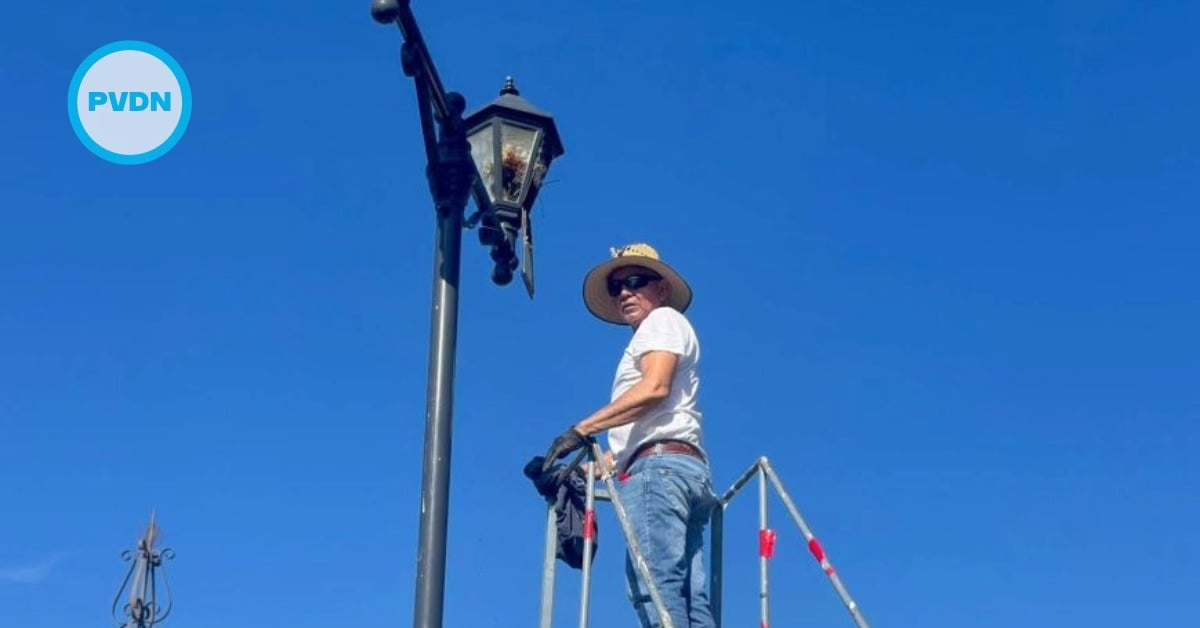
The city’s message is straightforward: brighter avenues, smoother pavement, and cleaner, more functional plazas make the destination feel safer and easier to navigate. That matters in a place where visitor flows concentrate after dark and where poorly lit blocks can turn lively streets into dead zones. The emphasis on illumination dovetails with ongoing municipal work to repair and expand public lighting, a program the city highlights as key to safer neighborhoods.
Officials have not released a full project list, but the focus is the obvious one—core areas of Cabo San Lucas and San José del Cabo that funnel cruise passengers, hotel guests, and workers through the same streets. Those corridors carry Los Cabos’ brand. Cracked surfaces, dark corners, and tired fixtures erode that brand quickly.
The new figure—140 million pesos—also signals scope. In late September, local press tracked a 120-million-peso package targeting both historic centers and a segment of the Tourist Corridor. The larger amount now on the table suggests either add-ons or updated cost estimates as plans advance. What is clear is the direction: more money aimed at the same chokepoints most residents and visitors share.
Where the money meets the street
The work won’t happen in a vacuum. Los Cabos is riding strong demand, from record cruise calls to steady air arrivals—pressure that magnifies every pothole and every dark stretch visitors and workers encounter. Better lighting, smoother crossings, and consistent paving aren’t cosmetic; they reduce falls, deter petty crime, and keep traffic moving. The city’s own updates on lighting repairs point to hundreds of recent fixes across neighborhoods, a base the new spending can build on in the tourist core.
Funding mechanisms matter, too. Los Cabos has relied on tools such as the Fideicomiso de Obras de Infraestructura Social (FOIS), which channels earmarked revenue into urban works with greater transparency. While officials haven’t specified whether FOIS will underwrite this specific package, the trust’s mandate—urban equipment and social infrastructure—aligns with the types of projects now being discussed. Watching how the city structures these contracts will tell residents whether the upgrades arrive fast and last longer than one season.
The stakes go beyond curb appeal. Los Cabos knows the tension: a world-class visitor economy alongside basic-service gaps that have sparked frustration, from water access to uneven maintenance. Public-realm fixes can’t solve everything, but they can narrow the gap between how the destination markets itself and how it feels to walk its streets. The September report on the earlier 120-million-peso plan noted interventions in both downtowns and the corridor—precisely where locals and visitors mix all day. Getting those stretches right is the low-drama way to make the city work better for everyone.