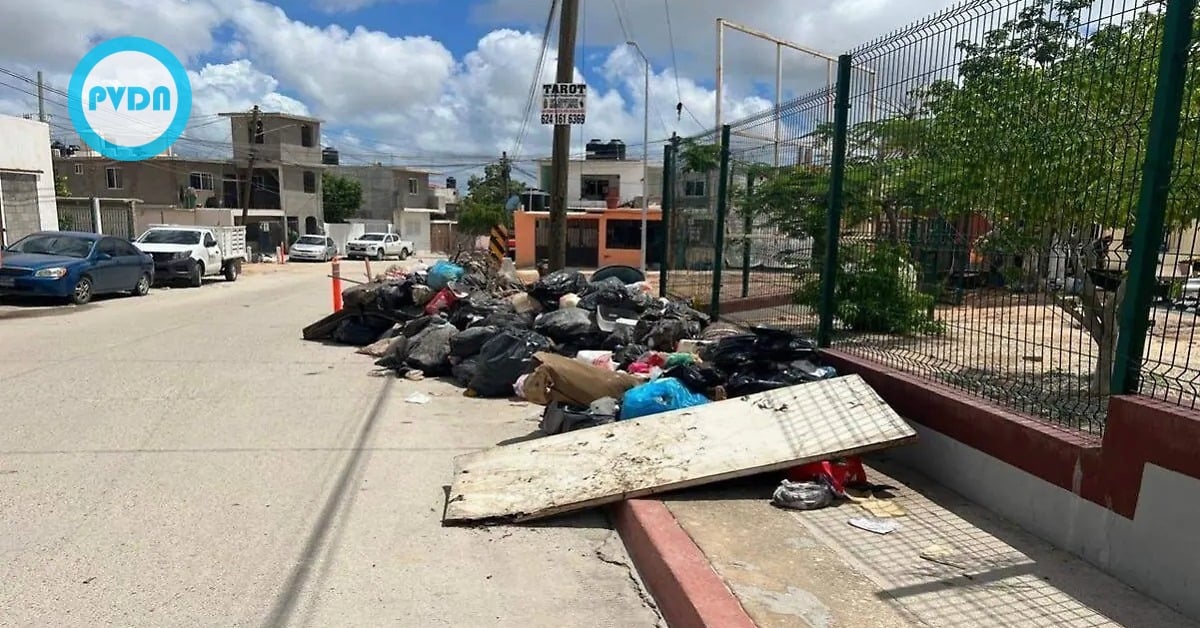
Bags stacked on corners. Bins overflowing behind restaurants. After weeks of heavy rains and uneven service, Los Cabos residents say trash routes that once came three times a week are now showing up once, if at all. Business groups are publicly urging City Hall to get trucks back on schedule. Officials insist the system is stabilizing, but early data shows only partial progress. Here’s what changed, what’s being done, and why the fix is proving harder than a quick fleet tune-up.
Los Cabos trash pickup
A new wave of complaints rolled in this week as uncollected trash piled up in Cabo San Lucas and San José del Cabo. Local business leaders say what used to be predictable routes are now sporadic, leaving storefronts and neighborhoods with mounting waste and short tempers. City Hall acknowledges delays, blaming road damage and equipment downtime after recent storms.
A service that slipped from “steady” to “spotty”
The shift did not happen overnight. Private-sector voices describe at least two months of deterioration from previously stable operations. Residents in several colonies report that trucks that previously passed by three times a week now appear only once. That gap is long enough to turn alleys into hot spots for pests and odor, and it adds costs for small shops paying for extra hauling or cleanup.
The business lobby has moved from quiet calls to public demands. The local chamber and the Coordinating Council argue that basic services underpin the destination’s reputation. If trash sits on curbs, it hurts restaurants, hotels, and street-level commerce first. Their message to City Hall is blunt: restore frequency, fix routes, and communicate clearly so businesses can plan around pickup windows again.
City response and capacity on paper
Municipal officials say crews are working extended shifts to normalize service after the rains. They cite gradual progress on collections and an ongoing recovery of routes affected by flooded, rutted streets. The city has invested in trucks over the past year, adding capacity. On paper, that should help. In practice, recovery is lagging because the routes slowed, maintenance backlogs grew, and debris volumes spiked after the storms.
City data for the first quarter shows the scale of the waste stream in Los Cabos: tens of thousands of tons in just three months. Even a short dip in fleet availability or route frequency quickly translates into block-by-block piles. Separate updates last week put the restoration of service at only a fraction of standard output, which tracks with what residents report on the ground.
Beaches are clearing faster than streets
There’s a brighter note. Beach cleanups—often with hotel crews pitching in—have removed much of the storm-driven debris along key stretches of coastline. That helps the tourism image. It does not solve curbside collection inland, where waste is household, routine, and less glamorous to mobilize volunteers around.
Short-term, more uneven service. The city is prioritizing main corridors and dense routes while it works through mechanical issues and damaged streets. That means some neighborhoods will still wait longer than they should. Medium term, the fix depends on maintenance discipline and route reliability. If trucks stay on the road and routes return to their old cadence, the backlog can clear in days, not weeks. But that requires close coordination—and straight talk from officials about when each zone will see regular service again.