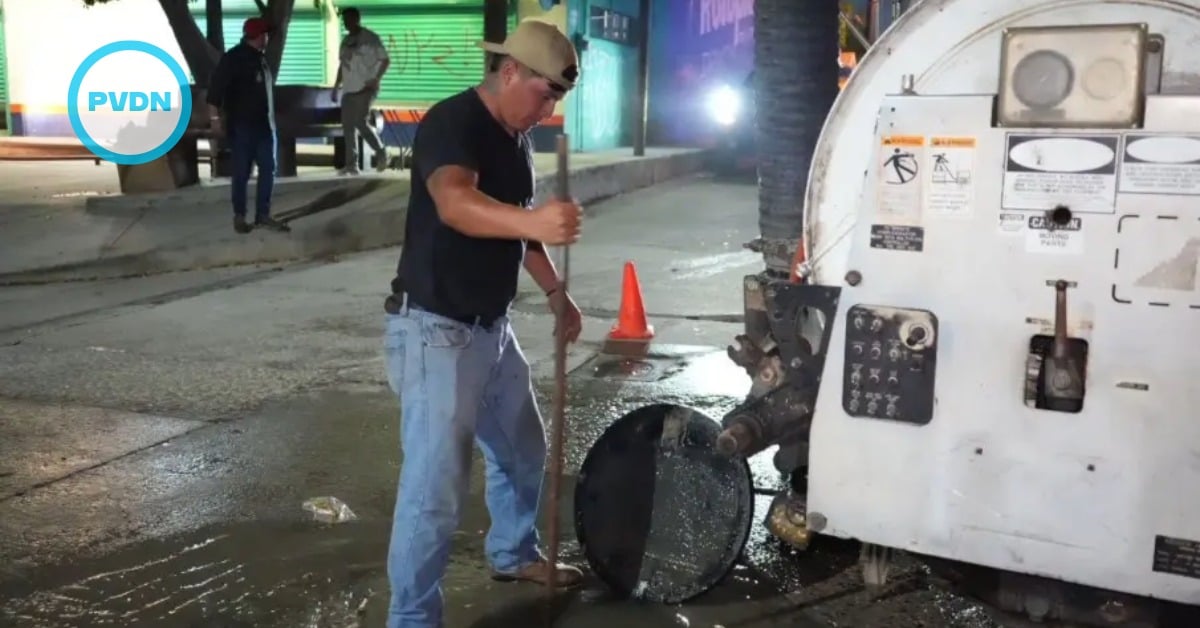
Rains pounded Los Cabos and pushed its drainage to the brink. Sewer lines failed in pockets of San José and Cabo San Lucas, sending crews into the streets and raising health questions residents know too well. Yet the tap water kept flowing and the central desal plant stayed online, according to local authorities. What went wrong underground, and why didn’t the drinking water system buckle with everything else? We unpack what happened, what’s being fixed, and what to watch in the days ahead.
Heavy rains battered Los Cabos this week, exposing a familiar weak spot underground. Sewer lines failed in several neighborhoods, forcing emergency cleanups of wastewater spills. The municipal water utility says the Los Cabos water service stayed stable through the storms, even as drainage crews hustled to contain damage.
OOMSAPAS director Ramón Rubio Apodaca reported roughly two dozen spill and breakage calls following the downpours, with work crews clearing exposed pipes and overflows in both San José del Cabo and Cabo San Lucas. Tribuna de México reported the figure as “at least 25” instances. A separate local brief tallied “at least 19” sewer-spill reports linked to the same weather, reflecting a moving target as repairs progressed.
Officials stressed that potable water production and distribution were not interrupted. Desalination Plant 1 in Cabo San Lucas remained in operation, aside from routine maintenance on an osmosis bearing, according to OOMSAPAS. That assurance matters for households that worry every storm will also disrupt their water supply.
Los Cabos water service
So why did the sewers struggle while drinking water did not? It comes down to design and upgrades. The potable system has redundancy at the plant and in storage, whereas the sewer network is more susceptible to clogging with debris after a deluge. OOMSAPAS again urged residents not to toss trash into streets or drains; that junk gets sucked into manholes and clogs lines when arroyos run.
The weather context helps explain the stress. First came Hurricane Priscilla offshore, which slung bands of heavy rain, high surf, and wind across Baja California Sur. Days later, moisture and impacts tied to Tropical Storm Raymond fueled more flooding. Civil protection measures ranged from class suspensions to temporary port restrictions. In Cabo San Lucas, the “zona dorada” even closed due to flooding and sinkholes.
Public health questions naturally follow sewer spills. Earlier this month, the state health regulator COEPRIS allowed street food sales to resume in Cabo San Lucas while keeping San José restrictions in place, where wastewater issues lingered—an example of how authorities tailor precautions after storms. The agency has also warned against entering the sea for several days during past storm cycles, until water quality checks clear beaches.
OOMSAPAS says Plant 1 kept running, and medium-term plans aim to bolster supply further. Local officials recently said the operator would push Plant 1’s output toward 180 liters per second by late 2025, part of a broader effort to insulate the tap from weather swings and population growth. That investment does not fix aging sewers on its own, but it helps keep kitchens and clinics supplied when streets flood.
What to watch next
Crews are still clearing clogs and refilling eroded sections where pipes were exposed. OOMSAPAS says the work should resolve most overflows as roads dry out. If you spot new spills or manholes without covers, report them—fast response keeps contamination localized. The utility lists hotlines for leaks and tandeo questions on its site. Meanwhile, forecasters say the Pacific is not done for the season, so officials will watch for more rain makers and issue alerts as needed.
Bottom line for residents: the sewer system took a hit, but the taps stayed on. If the pattern holds—smarter plant operations, faster cleanups, and better public cooperation on trash—the city can ride out the next burst of rain with fewer messes on the street and more confidence at the sink.