Federal investigators have arrested a man in Las Aralias in a case involving alleged crimes against the environment and biodiversity. Authorities said he was taken into custody after failing to appear before a federal judge. He was then transferred to the Federal Criminal Justice Center in Puente Grande, where a judge will decide his legal status. Under Mexican law, he is presumed innocent unless convicted.
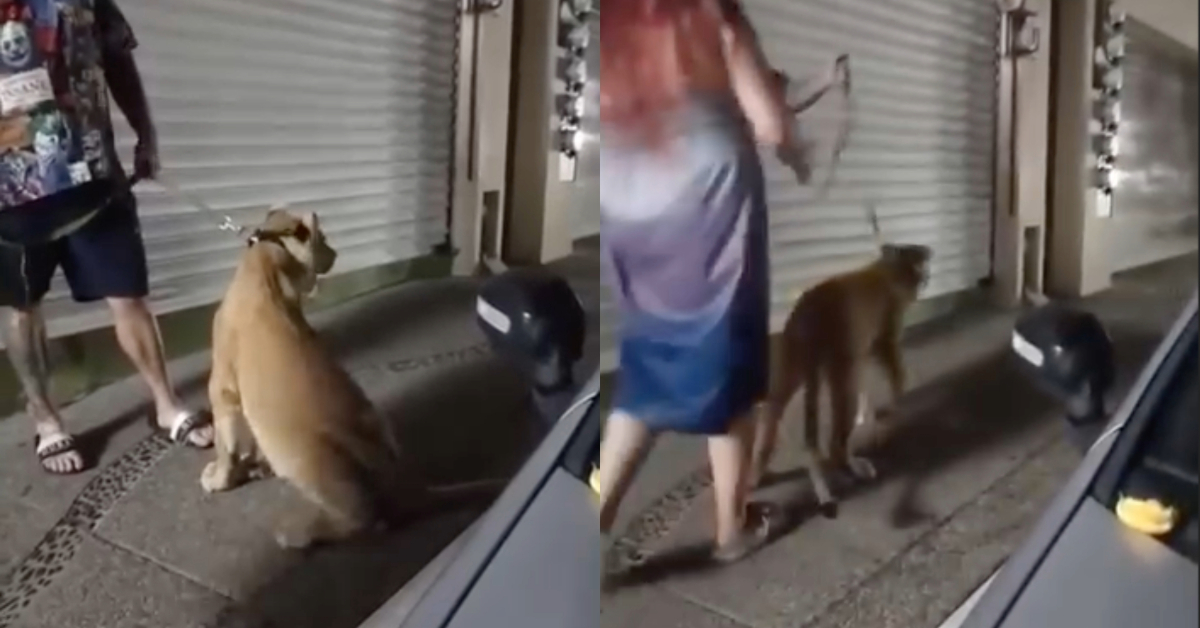
Local reports have tied the arrest to Kiri Kiri, the animal that became the public face of the case in Puerto Vallarta. Descriptions of the seized feline are not fully consistent across recent local coverage. What is consistent is that authorities are treating the matter as a federal case tied to a previously seized exotic cat and the investigation that followed. That alone is enough to push the story beyond local gossip and into a more serious legal setting.
Why this story got attention in Vallarta
The earlier episode stood out because it mixed public safety, animal welfare, and federal law. Residents in a busy coastal city do not expect a young big cat to appear near homes, neighborhood streets, or places visited by tourists. Once the animal was seen publicly, the story quickly moved from social media curiosity to a test of whether the owner could legally keep it and whether the cat had entered the country or changed hands lawfully.
That part matters for foreign readers because wildlife cases in Mexico often sit under federal, not just municipal, rules. A case may begin with a local sighting or complaint, but it can end up involving the FGR, PROFEPA, and federal courts. That is what appears to have happened here. The arrest is not just about a missed appearance. It is also about the legal chain behind the animal itself.
What authorities are likely examining
In Mexico, the legal possession of exotic wildlife depends on more than simply having the animal in a private home. Federal rules require documentation that can show an animal’s legal origin. In some cases, authorities may also review whether the species required formal authorization for possession, whether transport records exist, and whether the animal’s handling complied with wildlife regulations.
That helps explain why this case carries more weight than the images that first made it famous. Once authorities suspect a breach involving wildlife documentation, import records, or species covered by international rules, the case can shift into the territory of biodiversity crime. At that stage, investigators are no longer focused only on where the animal was seen. They are looking at how it was obtained, where it came from, and whether any federal offense was committed along the way.
Official Mexican guidance also shows why prosecutors treat these cases seriously. Federal environmental authorities describe the trafficking, possession, transport, import, or export of protected or treaty-regulated wildlife as potential biodiversity crimes. In practical terms, that means a person can face more than administrative trouble if a species is covered by protected-status rules or international trade controls.
Why the case matters beyond one arrest
This arrest also falls into a wider local pattern. Puerto Vallarta has seen more than one big-cat seizure in the past year. In February, authorities announced another federal operation in the city in which a young tigress was seized and a foreign national was detained. That separate case does not prove a direct link here. It shows that exotic wildlife enforcement in the city is no longer treated as a novelty.
For foreigners living in Mexico, the broader lesson is simple. Wildlife ownership can look informal from the outside, but the law is not casual about it. When authorities believe a protected or regulated animal lacks proper documentation, the consequences can escalate fast. A story that starts with neighborhood videos can end with federal agents, court orders, and a hearing in Puente Grande.
That is why this arrest matters. It is not only the latest twist in a memorable Vallarta case. It is also a reminder that the possession of exotic animals in Mexico sits at the intersection of public safety, animal welfare, and federal environmental law. The next step will not be decided online or in the street. It will be decided in court.