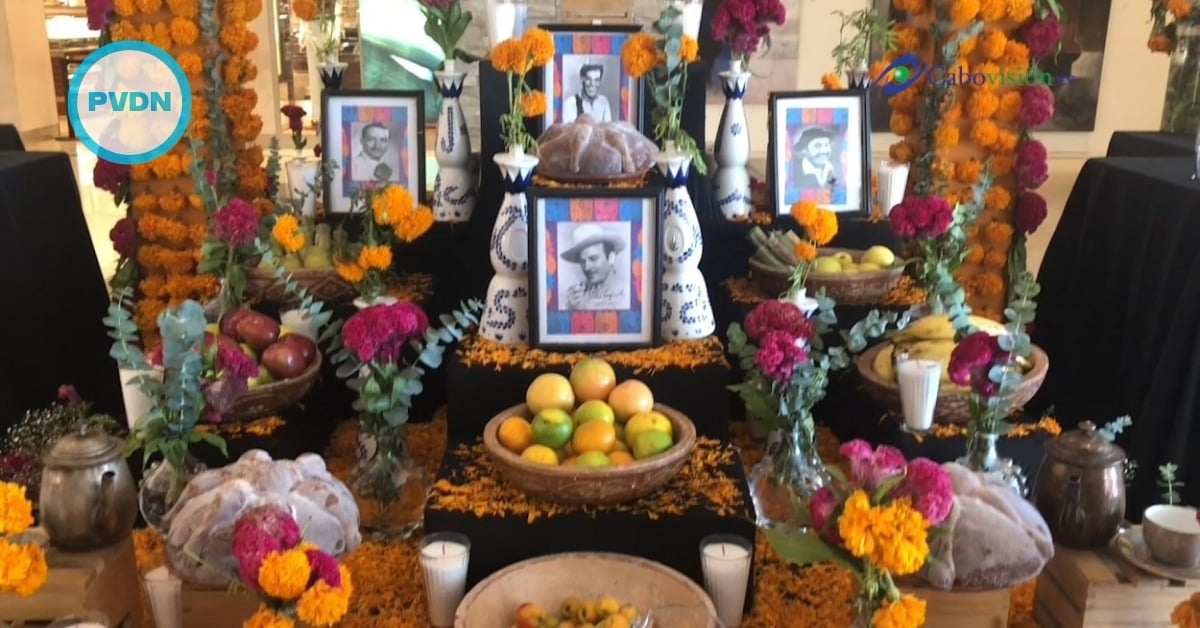
In the seaside city of Cabo San Lucas, the annual celebration of Día de Muertos is getting a flavorful twist this year: the young chefs from Universidad del Golfo de California (UGC) are stepping into the spotlight for the “Mar de‑Ofrendas” festival and adding their culinary sensibility to this time-honoured tradition.
From local seafood and farm-fresh ingredients to the iconic marigold and bread of the dead, the students are showcasing how food can bridge memory, culture, and creativity. The festival on Sunday, November 2, at the heart of Plaza Amelia Wilkes in Cabo San Lucas, invites visitors to taste traditional dishes reimagined by tomorrow’s kitchen professionals.
Honouring the Dead — and the Living
Día de Muertos is far from a somber affair in Mexico. On the contrary, it blends respect, joy, remembrance, and togetherness. Families build altars (ofrendas) decorated with candles, marigolds, photos of loved ones, favourite foods and drinks, inviting ancestral spirits back for a visit. In Los Cabos, the tradition takes on a seaside flavour: boats parade at night in an event dubbed “Altares en el Mar”, and restaurants and hotels lean into the ritual with cuisine, music, and décor.
For the UGC students, the opportunity to contribute to the Mar de-Ofrendas festival is about more than cooking — it’s about stepping into a cultural moment and giving it contemporary resonance. According to local reports, the gastronomy students will prepare “traditional Mexican dishes with a gourmet touch” for this year’s event.
Blending Local Bounty with Culinary Training
The Los Cabos region is rich in ingredients: fresh seafood, regional produce, farm-to-table traditions, and a growing reputation for fine gastronomy. The UGC programme in Culinary Arts (Gastronomía/Artes Culinarias) is designed to train professionals who understand cooking techniques and the food and beverage sector.
At the festival, the students are tasked with sourcing local ingredients and preparing dishes that reflect the holiday spirit— food that honours the departed, invites the living to share, and carries a flavour story of place and tradition. Visitors to the Mar de-Ofrendas event will sample the offerings in the plaza from 5 p.m. to 10 p.m. on November 2.
A Cultural + Culinary Canvas
Beyond food, the festival is rich in ritual: parades of catrinas and catrines (elegantly costumed skeleton figures), decorated storefronts in the “Golden Zone” of Cabo, and the visual spectacle of altars along the marina and plazas. These layered traditions provide a meaningful backdrop for the students’ cooking, where taste is inseparable from memory, heritage, and community.
UGC’s involvement also reflects a broader shift: gastronomy in Los Cabos is evolving. Not only are luxury resorts and Michelin-level restaurants making waves, but educational institutions and community events are expanding the reach and relevancy of regional cuisine.
Why It Matters
For residents and visitors alike, this isn’t just a tourist event — it’s an expression of how a community remembers, honours and celebrates. Allowing students to lead in the kitchen brings fresh energy and ensures the tradition evolves without losing its essence. As one guide puts it: “In Los Cabos, the ocean breeze, the seafood bounty and the rhythms of memory combine to make Día de Muertos an experience of the senses.”
For the students, it offers a real-world platform: They are not only practising their craft but learning to engage with culture, region, and public event logistics. For the public, it means tasting something unique — dishes rooted in local tradition yet curated by young chefs with their own vision.
Looking Ahead
If this event is any indication, the intersections of education, culture, and tourism in Los Cabos are getting richer. The “Mar de-Ofrendas” festival, anchored by the UGC students, is poised to become a highlight of the holiday calendar, where the flavours of the living and the memories of the departed meet at the table.
As the Mexican night draws a soft curtain of incense and marigold petals, visitors to Cabo’s festival might find that the best way to honour the past is to taste the future.