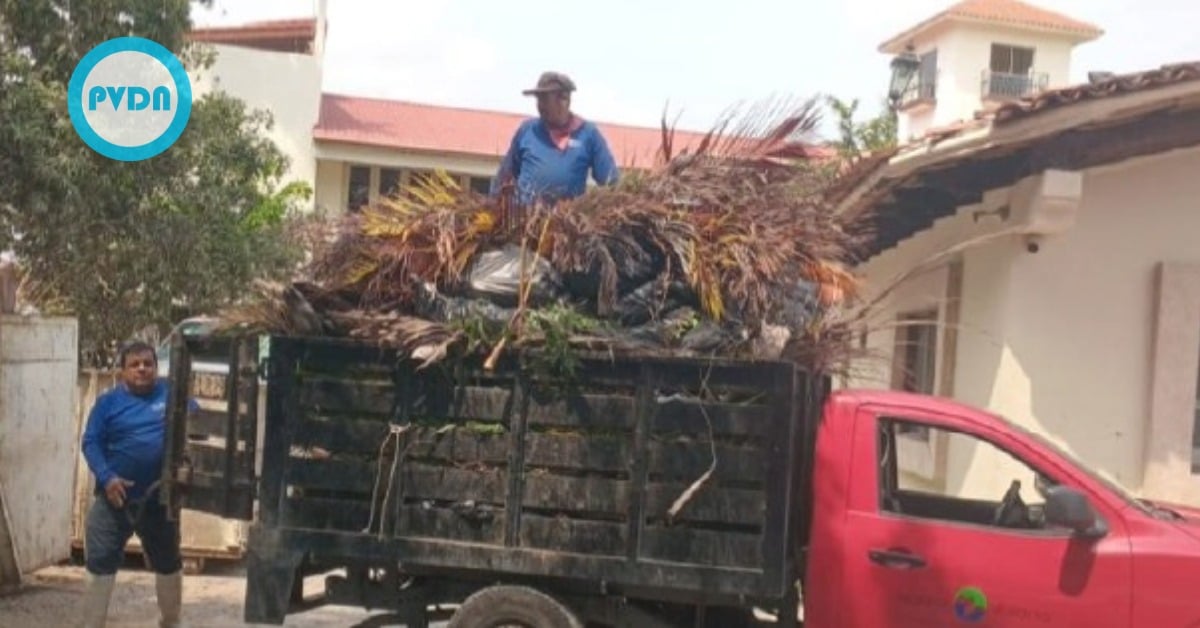
Marina Vallarta has begun a concentrated pruning effort on roughly 900 coconut palms along its main corridors, a routine the neighborhood association says is essential during the wet months when wind and weight can turn dead fronds and heavy seed clusters into hazards. The work started last week and will first clear the central median on Paseo de la Marina by the humpback whale sculpture, before crews move north and south along the avenue. Completion of the median phase is expected in about three weeks, according to the association.
Marina Vallarta palm pruning
Architect Alonso González Ruiz, who oversees supervision and maintenance for the Marina Vallarta Residents’ Association, has stressed that regular, seasonal pruning helps prevent disease and reduces risk in storms. This campaign focuses on the coconut palms lining the spine of the neighborhood, where traffic and footfall are highest. The sequence—central median, then Paseo de la Marina Norte and Sur—aims to tidy the area that most visitors and residents use daily.
The whale statue is a familiar local landmark and a practical starting marker for the crews. Octavio González’s bronze mother-and-calf humpback, installed in 2001 at the Marina entrance, anchors the north end of Paseo de la Marina. Using it as a reference point makes it clear where pruning is underway week to week.
How crews are doing the work
The association is using specialized equipment because many palms are tall and overhang the hardscape. Opequimar, the marina’s shipyard, is providing crane support—equipment they routinely use for heavy marine lifts—which also helps with changing lighting fixtures during the operation. Their facility, located on Paseo de la Marina Sur, offers capabilities that include cranes and a significant travel lift.
Cut material is being hauled to the municipal landfill for final disposal, which aligns with Puerto Vallarta’s solid-waste rules that route non-recyclable green waste to the city’s sanitary landfill. Recent local reporting references the El Gavilán landfill as the site for final disposal of municipal waste.
Why prune now
Puerto Vallarta’s rainy season runs through early fall, overlapping with the Pacific hurricane season, which officially spans May 15 to November 30. In 2025, federal meteorological guidance projected an active cycle. Seasonal peaks in September and October can bring gusty storms that shear weak, dead fronds. Keeping palms tidy in these months is common practice for coastal cities.
On the Marina’s side streets, crews handled smaller palms earlier in the year. These plants tend to grow less vigorously than the median trees because they don’t receive the same irrigation. Once the “purple line” is established—Puerto Vallarta’s reclaimed-water network for landscape irrigation—sprinklers can be added, and growth should even out.
Safety and best practice
Experts caution against “hurricane cuts,” the severe over-pruning that strips most green fronds. Research from the University of Florida’s IFAS program found that palms subjected to hurricane cuts suffered more damage in major wind events than palms left with fuller crowns. The recommended approach is to remove dead or dying fronds and heavy fruit clusters—especially relevant for coconut palms—while preserving healthy green leaves. That balances safety with the tree’s health.
What Marina Vallarta crews are doing aligns with that guidance: seasonal maintenance to clear hazards and improve appearance, not cosmetic over-trimming. For pedestrians and drivers along Paseo de la Marina, the payoff is fewer brittle fronds dropping into traffic, better sightlines, and a neater canopy through the height of the storm window.
A note on irrigation and growth
The association points to a practical reason the median palms look stronger: water trucks can easily service the center ridges in the dry season, while parked vehicles often block access to lateral sections. As the city expands its treated-water (“línea morada”) distribution for irrigation, more even watering should reduce that disparity over time and cut long-term maintenance costs.
Work will proceed south and north along Paseo de la Marina after the median is complete. Expect periodic lane closures, bucket-truck activity, and short detours around pruning zones, especially near the whale statue and the lighthouse approach. Trimmings will continue to be transported for proper disposal at the city’s landfill, consistent with Puerto Vallarta’s waste regulations.