Maya Forest pact
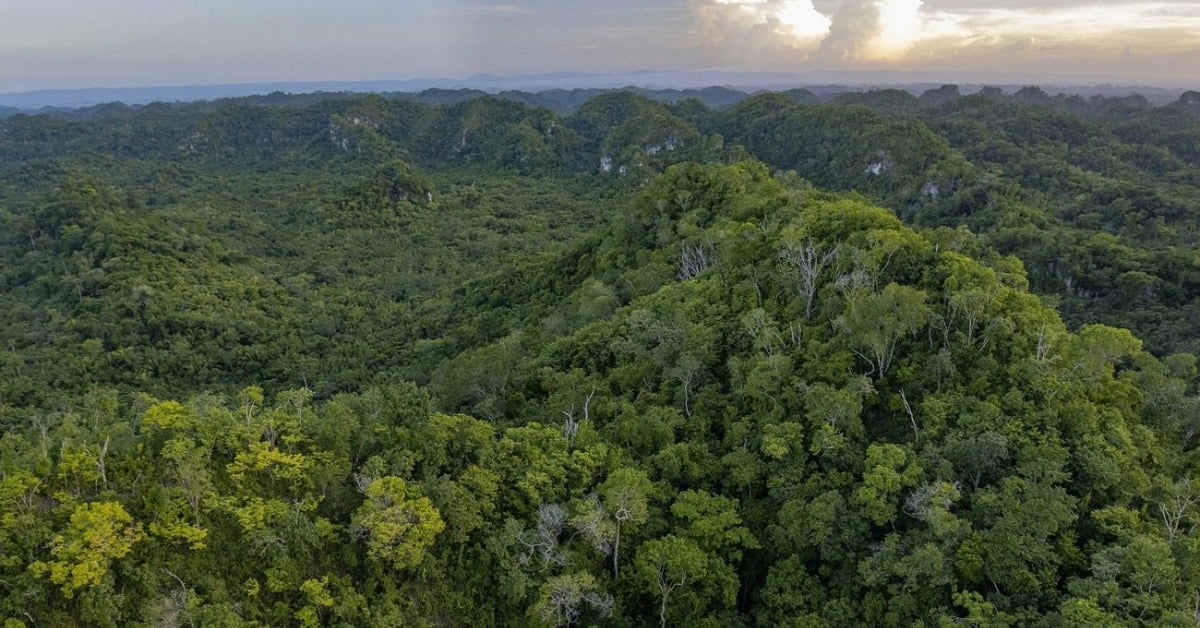
Mexico, Belize, and Guatemala agreed to build a trinational conservation corridor across the Selva Maya. The pact covers 5.7 million hectares and aims to connect existing protected areas. Leaders framed it as protection plus livelihoods, not a park-only vision.
Signed on Friday in Calakmul, the accord centers on coordinated action against illegal logging, land grabs, fires, and wildlife trafficking. It also funds soil restoration, reforestation, and community projects in forest towns. The goal is resilience for both ecosystems and people.
What Mexico highlighted Monday
On Monday, Sheinbaum “celebrated” the pact and placed it alongside a broader connectivity push in the south. She reiterated that feasibility studies and formal negotiations will gauge future rail links with Guatemala and Belize. The message: conservation and transport should be planned together, not as rivals.
Her government also underscored the corridor’s social focus. The plan seeks benefits for rural families who live with the forest every day. Officials cited food security, better market access, and support for community forest enterprises.
Rail ambitions meet old debates
Mexico’s Maya Train now runs across the peninsula. Extending it south would require cross-border agreements, new studies, and strong environmental safeguards. Guatemala signaled openness to explore links—but under its laws and technical lead for any segment on its soil.
The Interoceanic Railway is also part of the conversation. Any extension toward Central America remains conceptual. For now, working groups and feasibility analyses are the next steps, not construction dates.
The ecological stakes
The Maya Forest is one of the most extensive tropical forests in the Americas. It shelters jaguar, tapir, scarlet macaw, and hundreds of tree and bird species. Keeping the forest connected is essential for wildlife movement and climate resilience. Fragmentation has already carved up key habitats.
A corridor approach tries to fix that. Instead of isolated parks, authorities will manage a mosaic of reserves, ejidos, and private lands to keep natural routes open. Success will depend on funding, monitoring, and rapid response.
What this means for communities
Forest towns want more than patrols. They want steady work that does not require clearing new land. The pact promises support for certified timber, non-timber forest products, eco-tourism, and soil recovery. Done right, that can reduce pressure on the canopy and help families stay.
Local leaders will watch whether resources reach communities on time. Transparent payouts, community oversight, and public data on results will matter as much as the headlines.
Governance and the road ahead
Monday’s message from Mexico was coordination. The next test is building joint budgets, data systems, and enforcement protocols that work across borders. That means shared fire alerts, compatible case files on logging crimes, and linked wildlife intelligence. It also means quick help for communities after a blaze.
If rail talks advance, environmental due diligence will be decisive. Any future route must avoid core habitats, respect indigenous land rights, and comply with each country’s law. Otherwise, conservation gains on paper could be lost on the ground.