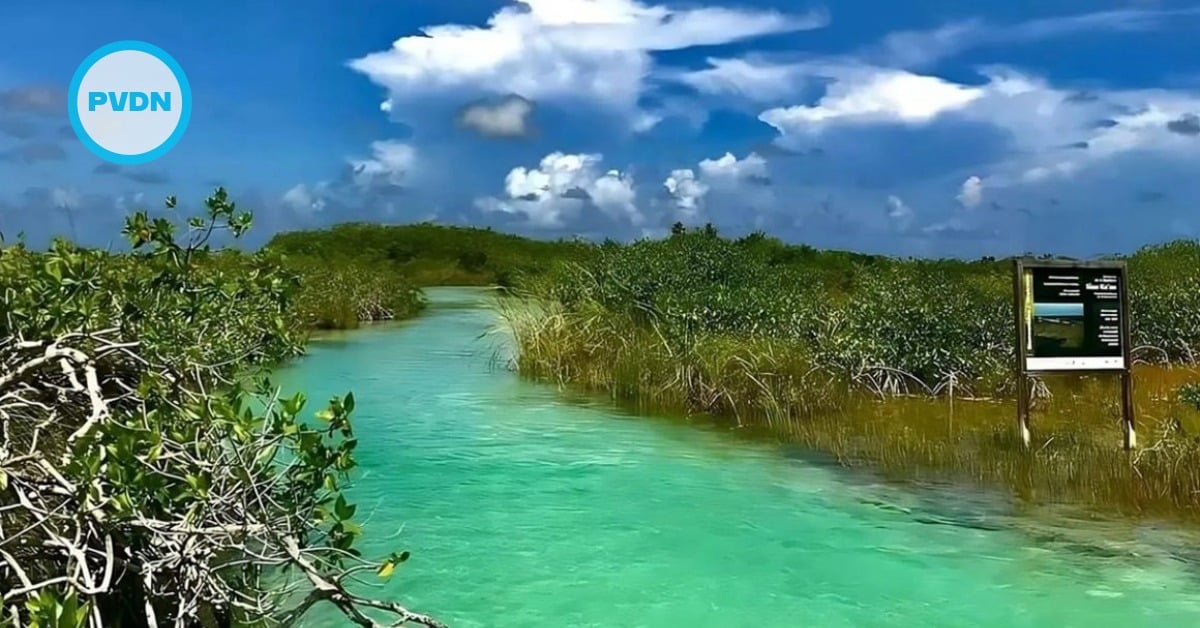
Maya Ka’an is drawing more travelers to the forested heart of Quintana Roo, and local hoteliers say the current bed count can’t keep up. They’re considering new rooms near community-run experiences in towns like Felipe Carrillo Puerto and Muyil. Supporters argue this can bring steady income to Maya families. Skeptics warn that rapid growth could erode culture and fragile ecosystems. The plan now is to expand without losing what makes the region special. Can they scale a small-is-better idea—without breaking it?
Maya Ka’an has crossed a symbolic threshold. Local hotel leaders say the area now draws more than 100,000 visitors a year, yet the region offers roughly 350 rooms, many inside family homes adapted for community tourism. Hoteliers are studying whether to double capacity while keeping the project’s low-impact DNA intact.
The push comes from the model’s success. Maya Ka’an connects visitors with Maya communities through guided nature trips, traditional food experiences, healing practices, and homestays. It was built as a community-based destination, not a resort strip, and has been promoted for a decade as an alternative to mass tourism in the Mexican Caribbean.
Maya Ka’an hotel expansion
Where might new rooms go? Hotel association president Raúl Andrade Angulo points to Felipe Carrillo Puerto, Muyil, Tihosuco, and pockets of the Maya region near Tulum. The concept on the table is small-scale lodging that supports local cooperatives rather than large hotel compounds. The goal, he says, is to improve service quality without bending the social purpose of the project. Maya Ka’an hotel expansion is the phrase, but the idea is still “community first.”
To place this in context, Quintana Roo’s oversized beach corridors already command most of Mexico’s hotel pipeline. Recent industry trackers show steady room growth for Cancún and the Riviera Maya, where large brands continue to open or reflag properties. The Maya Ka’an discussion differs in scale and intent, involving more beds but not megaprojects.
The draw here is the experience, not the all-inclusive wristband. Travel editors and sustainable-tourism groups have long cited Maya Ka’an as a case study in community tourism—villages running guided lagoon floats, cenote access, and cultural workshops under strict visitor rules. That approach helped the region catch interest during and after the pandemic, as travelers sought nature and culture beyond the coast.
Connectivity matters too. The Tren Maya has opened new overland access across the peninsula, placing inland towns on more itineraries. That rail link has also sparked debate: supporters see a broader economic reach; critics warn of environmental fragmentation and legal shortcuts during construction. Any hotel growth in Maya Ka’an will sit inside that larger conversation.
Keeping promises to communities
This landscape is precious—and sensitive. The region overlaps with the Sian Ka’an Biosphere Reserve, a UNESCO World Heritage site of mangroves, wetlands, and underground rivers that feed the Mesoamerican Reef. Development must respect the hydrology to avoid risking costly damage that locals, not visitors, would have to shoulder.
Local hoteliers say they understand the stakes. Andrade frames the plan as a service upgrade for an already popular destination, not a wholesale remake. He argues for adding rooms that “fit” the model—think clustered cabins, family-run inns, and nature-friendly lodgings that channel spending to Maya households. That is the line they will be judged on.
For now, the math is simple. Visitor demand has outpaced the available beds, and travelers are staying longer as community operators establish credibility. The risk is equally plain: once room counts rise, pressure follows—on roads, waste systems, water tables, and the culture that sells the place. Success will hinge on pace and enforcement, not just promises in a press note.
Maya Ka’an’s pitch has always been modest and human. Add capacity too fast and you lose the magic; add nothing and you turn away income that could keep young people close to home. The coming months will show whether Quintana Roo can scale a careful model in a state famous for scale. If it works, Maya Ka’an could offer the rare headline in tourism development: growth without regret.