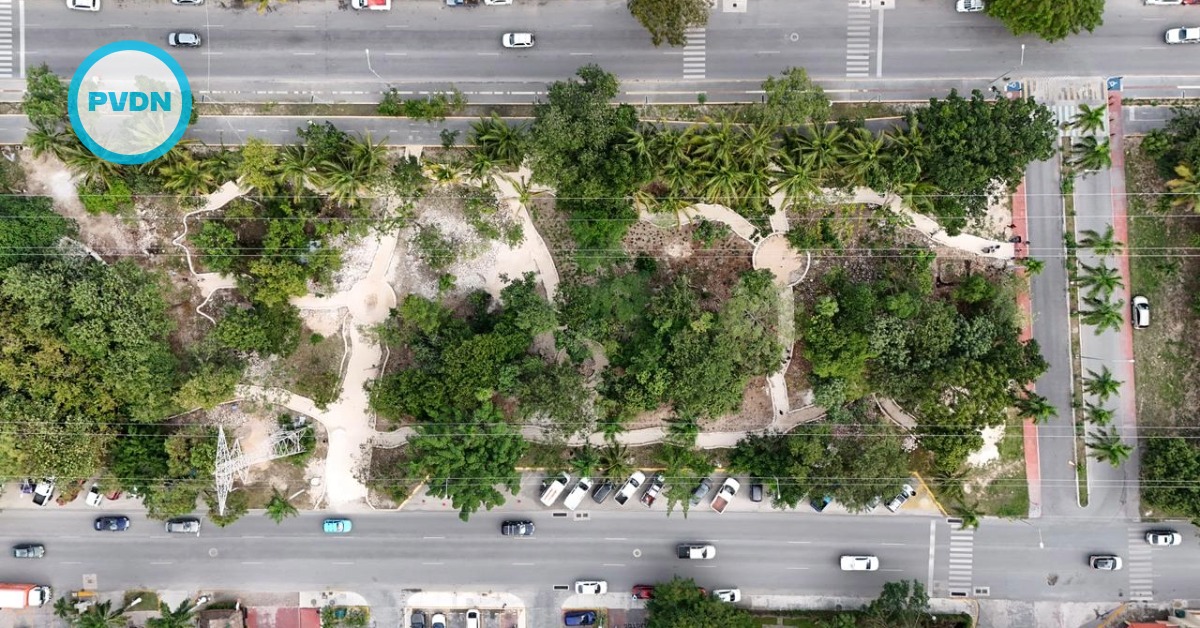
Something new is blossoming in Cancún’s urban landscape—a garden filled with centuries-old secrets of Maya herbal medicine. Tucked in the emerging Parque de la Equidad, this unique space invites visitors to wander among the same healing plants ancient Maya healers once used. City officials call it an “ancient embrace of nature” where families can reconnect with traditional wisdom while enjoying a modern green oasis. Curious about which plants and remedies you’ll find in this living homage to Maya heritage? Here’s a peek.
Honoring Maya Healing in a Modern Park
City officials in Cancún are transforming part of the city’s new Parque de la Equidad into a Jardín Medicinal Maya, or Maya Medicinal Garden. Dubbed “Lool Ja’,” a Maya name meaning water flower, the garden is envisioned as a vibrant ecological and cultural sanctuary. It will showcase plants used in traditional Maya medicine for generations. According to Mayor Ana Patricia Peralta, the project is “un abrazo antiguo a la naturaleza,” an ancient embrace of nature that lets families reconnect with age-old wisdom. In other words, this garden isn’t just about landscaping—it’s about dignifying Maya heritage and sharing it in a fresh, accessible way.
Parque de la Equidad itself is a massive new linear park initiative in Cancún, aiming to create 16 km of inclusive green spaces across the city. Within this broader “equity park” project, the Maya medicinal garden stands out as a cultural gem. Ana Paty Peralta, affectionately known as the mayor, highlighted that the garden will be an open public area where environmental value and traditional knowledge go hand in hand. The design includes safe walking paths, gathering areas, and playgrounds so that visitors of all ages can enjoy the setting. By blending recreation with education, the space invites Cancún residents and visitors alike to experience a piece of living Maya history in the middle of the city.
Traditional Healing Plants Take Root
The heart of the garden is its collection of medicinal plants—many of them endemic to the Yucatán region—that have been used in Maya healing practices for centuries. Planners say the landscape will integrate species that historically relied upon for health and wellness. Strolling through, you might find aloe vera (sábila), a succulent prized in Maya and Mexican folk medicine for soothing burns and skin ailments. There could be clusters of chaya, often called the Maya miracle plant, whose leafy greens are traditionally consumed to boost circulation and help with ailments like diabetes. In the shade of native trees, visitors may smell copal resin—once burned by Maya healers as incense to ease respiratory complaints and purify the air.
Each plant in the garden has a story and a purpose. Take the humble guava tree: its leaves have long been brewed as a tea to calm upset stomachs and treat diarrhea, a remedy still passed down in local households. Or gordolobo (mullein), a wild herb used in Maya herbalism to soothe coughs and throat irritation. By planting these and other medicinal species, the garden will serve as a living catalog of natural remedies. Informational signage is expected to explain each plant’s traditional uses, so a simple walk becomes an educational journey. For many Cancún locals of Maya descent, seeing these plants honored in a public space is a proud reminder of their heritage. And for expats and visitors, it’s an invitation to discover the richness of Maya ethnobotany—how the Maya found a cure for ailments in the jungle long before pharmacies existed.
A Living Lesson in Culture and Community
Beyond the botany, the Maya medicinal garden is about community. City leaders emphasize that this new green haven is designed “para todas y todos los cancunenses”—for all the people of Cancún. The idea is to create a peaceful gathering spot where families can enjoy quality time and also learn together. “We want people to come enjoy with their family, to have moments of peace and tranquility, and to learn as well,” Mayor Peralta said of the project’s goal. In a city as fast-growing and modern as Cancún, the garden offers a gentle step back into a slower, more mindful connection with nature and history. Parents might stroll the paths while telling children how their abuelos used a certain herb to cure a fever, or neighbors might meet for morning yoga under the trees, the scent of medicinal flowers in the air.
Importantly, the garden is also about equity and inclusion, true to its name, Parque de la Equidad (Equity Park). Its location along Avenida Cancún is near several residential areas, so many families—locals and newcomers alike—will have free access to this oasis. By providing a safe, open-air space with lighting, play equipment, and plenty of benches, the city hopes to encourage sana convivencia (healthy community life). This aligns with broader efforts in Cancún to foster social integration through public spaces. An initiative supported by UN-Habitat, the park project aims to bridge neighborhoods with green infrastructure. In this context, the medicinal garden carries the added benefit of preserving intangible cultural heritage. It’s not just a park feature; it’s a statement that Maya culture belongs in the heart of the city and in the daily life of its people.
City officials have been supervising the final stages of the garden’s construction and planting. As of early 2026, the project is well underway, with pathways laid out and young plants taking root. In the coming months, the garden is expected to officially open to the public as one of Cancún’s newest attractions. Once it blossoms fully, visitors will be able to see, touch, and smell the living legacy of Maya traditional medicine. Whether you’re an expat curious about local remedies or a Maya descendant celebrating your culture, this space promises a meaningful experience. In a single visit, you could learn why orange blossom tea (agua de azahar) is a beloved remedy for stress, or how caléndula petals help inflammation – and you might even pick up a phrase or two in Maya from the garden’s signage.
With the Maya Medicinal Garden “Lool Ja’,” Cancún is pioneering a new kind of public space – one that entertains, educates, and heals all at once. It’s a sign of the city’s growing appreciation for its roots, even as it looks to the future. Soon, a simple walk in the park will be a journey through both nature and history. And perhaps, amid the lush greenery and the whispers of ancient plant lore, visitors will feel that gentle, timeless abrazo – the embrace of nature and culture that this garden so lovingly provides.
With information from Newsday Caribe, Periodismo Objetivo, Cancún Municipal Govt.,
Realidades Quintana Roo, Mas de México