A beach that can go quiet for weeks is suddenly seeing the rarest visitor on Mexico’s Pacific sand show up again and again. At Mayto on Jalisco’s coast, conservationists say this nesting season has already broken the camp’s historical record for protected leatherback nests—and the peak may still be ahead. Now comes the most delicate stretch: incubation, then hatchlings that must reach the surf in the dark. What’s behind the surge, and what should beachgoers do to help without getting in the way?
Seven nests and counting
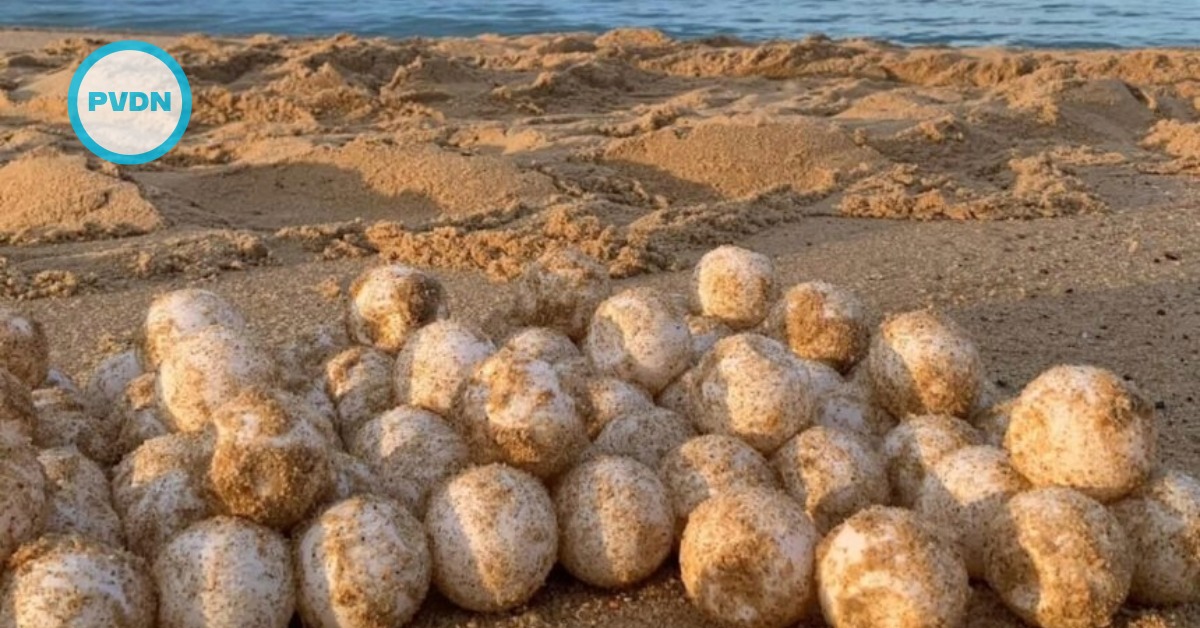
On a recent night patrol at Playa Mayto, the conservation team did what they have trained for: they found fresh leatherback turtle eggs, secured the nest, and brought it under protection. It was the seventh leatherback nest of the season—and the one that pushed Mayto Turtle Camp into new territory. By the camp’s own record, no previous season at this site has reached that number of protected leatherback nests.
The timing matters because the season is still unfolding. The camp says more turtles could arrive in the coming weeks, which could push the record higher. For Jalisco’s coastline, it’s a signal that something is going right on a stretch of beach where this species has never been common, and where each nest feels like a small, hard-won victory.
Why each protected nest matters
Leatherbacks are the ocean’s giants—ancient, wide-ranging, and built for long migrations. They are also unusually vulnerable at the exact moment they come ashore. Nesting females are exposed on open sand, and the eggs they leave behind can be lost quickly to predation, poaching, storms, or the quiet damage of human activity, such as lights that disorient hatchlings.
That is why a protected nest is more than a statistic. It is a controlled chance at survival in a stage of life where the odds are brutal. When camps like Mayto patrol and safeguard nests, they buy time for a species under pressure across the Pacific. One successful hatch can mean dozens of hatchlings reaching the water—something that simply does not happen reliably without protection.
The weeks ahead on Mayto beach
The story doesn’t peak when the eggs are collected. The most sensitive work starts after. Incubation depends on stable conditions and constant monitoring, and the payoff comes weeks later when the sand begins to move and hatchlings emerge. The camp says it will keep the public updated as nests progress and as hatchings approach, because those first minutes on the beach can decide everything.
For residents and visitors along the coast, the best help is often restraint. A nesting turtle needs darkness and space, not a crowd. If you find yourself on a beach at night and see a turtle hauling herself ashore, the safest choice is to back away, keep lights off, avoid flash photography, and let trained patrols handle the nest. Mayto’s record season is a reminder that conservation isn’t a single dramatic moment—it’s the quiet repetition of doing the right thing, night after night, until a rare species has a fighting chance.