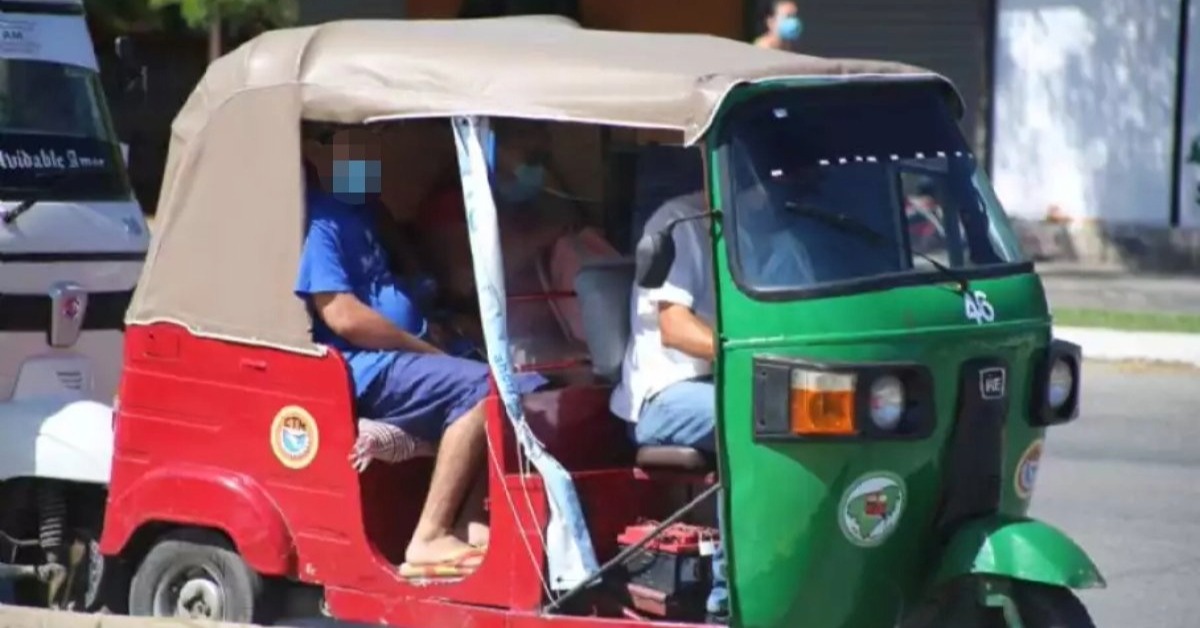
For years, mototaxis have filled short-trip gaps in parts of Mérida, but rules have lagged behind the service’s growth. Now, Yucatán authorities say that is about to change. A new commission will study where these vehicles should operate, how fares and insurance should work, and what formal standards operators may face. The move could affect daily riders, neighborhood mobility, and a service that has expanded faster than the state’s oversight.
A new step toward regulating mototaxis in Mérida
Yucatán transport authorities have formally launched a new commission to regulate and modernize mototaxi service in Mérida, marking a shift from years of limited oversight toward a more structured approach. The new body is intended to study how mototaxis operate, define where they should run, and develop proposals on safety, pricing, insurance, and formalization.
The decision matters because mototaxis have become part of daily mobility for many residents, especially on short neighborhood trips and last-mile connections. In practice, these vehicles have filled service gaps in areas where larger buses or conventional taxis do not always fit local demand. That has made them useful, but it has also left state authorities dealing with a transport mode that grew faster than the rules around it.
Officials have framed the commission as a way to bring order to a service that many people already use, rather than pretending it does not exist. That distinction is important. The state is not trying to erase the service. It is trying to pull it into a clearer regulatory structure.
Why the state says action is needed now
The background to this move helps explain why the issue has become more urgent. State authorities say the last available registry counted 1,320 mototaxis in 2021. Since then, they say the sector has expanded sharply, without sufficient planning or control. That means the government is now trying to catch up with a transport reality that has already taken root in parts of the city.
Authorities have also signaled the kinds of problems they want to address. Among them are excessive fares, the need for traveler insurance, better operator training, and broader regularization of the service. Those points suggest the state is looking at mototaxis not only as a traffic issue, but also as a consumer protection and public safety issue.
For riders, that could eventually mean clearer fare expectations, more defined service zones, and stronger accountability if something goes wrong during a trip. For operators, it could mean more paperwork, more technical requirements, and a push toward formal compliance. In other words, the state appears to be moving toward a model where mototaxis remain part of local mobility, but under stricter conditions.
What the commission is supposed to do
The new commission is not a simple announcement body. Its stated role is broader and more technical. It is expected to promote micromobility studies, help define operating polygons, identify local service problems, and prepare technical diagnostics of the current situation. It can also propose models for organization and financing, create working groups by zone, and recommend criteria for a pilot program.
That matters because one of the central questions in any mototaxi debate is where the service belongs. Authorities are not only looking at the vehicles themselves. They are also looking at geography. The new structure is supposed to help determine which areas are suitable for mototaxis, which roads should be restricted, and how this service could fit more cleanly into the broader passenger transport system.
The emphasis on studies and pilot zones suggests that any real changes will likely come in stages, not all at once. Riders should not expect an overnight rewrite of local mobility. The process will probably move through data gathering, geographic definitions, and technical recommendations before any final model becomes visible on the street.
What this means for residents and foreign readers
For many international readers, mototaxis may be unfamiliar or may sound informal compared with other transport options. In much of Mexico, they function as small-scale local transport for short distances. They are often used where streets are narrow, trips are short, or transit gaps make regular service impractical. In that sense, they are part of a broader conversation about micromobility and neighborhood access.
In Mérida, the question is not simply whether mototaxis should exist. The more immediate question is whether they can be made safer, more predictable, and better integrated into the city’s transport system. That is why the discussion goes beyond vehicles. It touches fares, insurance, enforcement, training, and the relationship between informal transport habits and formal public policy.
For residents, especially those who rely on neighborhood transport, the outcome could shape both convenience and cost. A more formal system may increase passengers’ confidence. It could also limit how and where some operators work. That tension will likely define the next phase of this story.
The limits of the new body
It is also important to be clear about what the commission does not do. The new body is technical and consultive, and its recommendations are not binding on their own. It does not automatically grant permits, create rights for operators, or instantly legalize existing practices. Its function is to study, recommend, and help structure policy.
That means the commission’s creation is a meaningful policy step, but not the final step. Real change will depend on what authorities do with the commission’s findings, how they enforce future rules, and whether operators accept a more formal system. It will also depend on whether the state can balance order with the daily mobility needs that helped mototaxis expand in the first place.
For now, the message from Yucatán is that mototaxi regulation in Mérida is no longer being treated as a side issue. It is now an active transport policy file. The next question is whether the state can turn that recognition into workable rules that riders and operators will actually live with.