Mérida News – Mérida street vending operations have ramped up city-wide in recent days. The drive targets unlicensed stands that crowd sidewalks, block traffic and pose safety risks. Deputy director Alfonso Lozano Poveda said his department has adopted a zero‑tolerance stance on permit violations. He noted that vendors operating in fixed, semi‑fixed and mobile modes often lack proper documentation. The city aims to ensure public roads remain clear and accessible. Through firm action, officials hope to balance informal commerce with urban order.
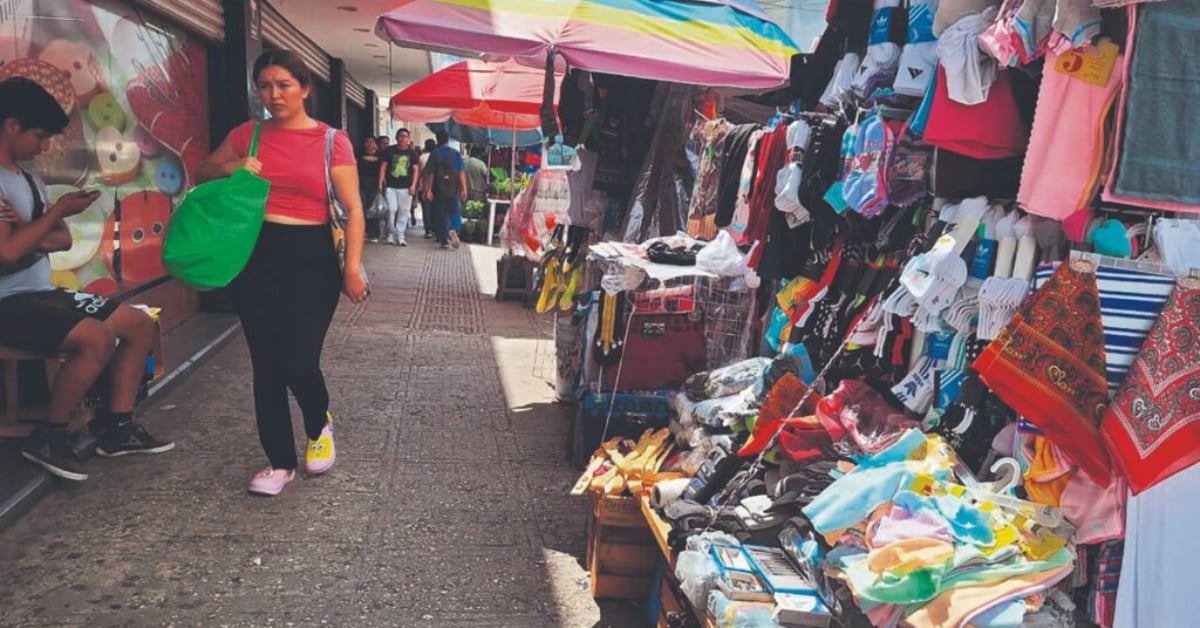
One of the latest sweeps took place near Plaza La Isla, a commercial hub north of the Yucatecan capital. Teams removed 25 street vendors who sold items ranging from stuffed animals and souvenirs to food, marquesitas and other snacks. Most vendors lacked official permits. Staff documented each stand before dismantling it. Citizens had filed complaints about congestion and litter in the area. Municipal personnel worked from early morning until midday to clear the sidewalks.
Lozano Poveda explained that many interventions follow anonymous citizen tips. He said the City Council does not act arbitrarily but responds to legitimate concerns about safety and cleanliness. Teams review every complaint and verify if vendors hold valid permits. When they do not, officers remove the stands and confiscate merchandise. At the same time, municipal staff offer guidance on legal vending options. “We invite vendors to join established markets,” Lozano Poveda stated. He added that the economic situation may be tough, but urban order must come first.
Mérida street vending operations
The campaign extends across all corners of the city. On average, officers remove up to 30 vendors each day from streets, parks and squares. Special units coordinate fixed, semi‑fixed and mobile interventions to address different vending modes. Enforcement teams include inspectors from several municipal departments. They verify permit status, inspect food safety compliance and ensure stands meet local regulations. When violations occur, the teams issue fines or seize merchandise. The process aims to deter repeat offenses and maintain a consistent enforcement standard.
Formal market alternatives
To ease the burden on informal sellers, the City Council runs a network of established markets in key neighborhoods. Vendors can apply for stall space at affordable rates and receive support with paperwork. Staff guide applicants through the registration process, help them secure health and safety certifications and connect them with microcredit programs. Council officials believe these options create stable income sources and improve vendor livelihoods. Formal markets offer basic amenities such as electricity, water and waste collection. They reduce health risks and improve conditions for sellers and customers.
Under the current municipal administration, authorities have imposed around 60 fines on repeat street vendors. They set penalties from 10 to 30 Units of Measurement and Update (UMAs) per violation, based on severity. Units of Measurement and Update provide a standard for fines across Mexico. Each UMA adjusts annually to reflect inflation. This system replaces fixed peso amounts. In severe cases, officers may seize equipment or refer cases to municipal court. Fines serve as a deterrent, especially for vendors who return hours or days after removal. Officials stress that enforcement will stay firm to uphold public space integrity.
Lozano Poveda emphasized that these efforts will continue without interruption. He said the council applies regulations uniformly, regardless of location or vendor type. Officials will keep monitoring streets, responding to complaints and adapting strategies as needed. The city government plans to review the impact of the campaign monthly and adjust resources accordingly. Residents have welcomed the initiative, noting that cleared sidewalks improve safety and mobility. As Mérida grows, the balance between economic informality and urban order remains a key challenge for municipal leadership.
street vending, Mérida, Yucatán, public order, municipal operations