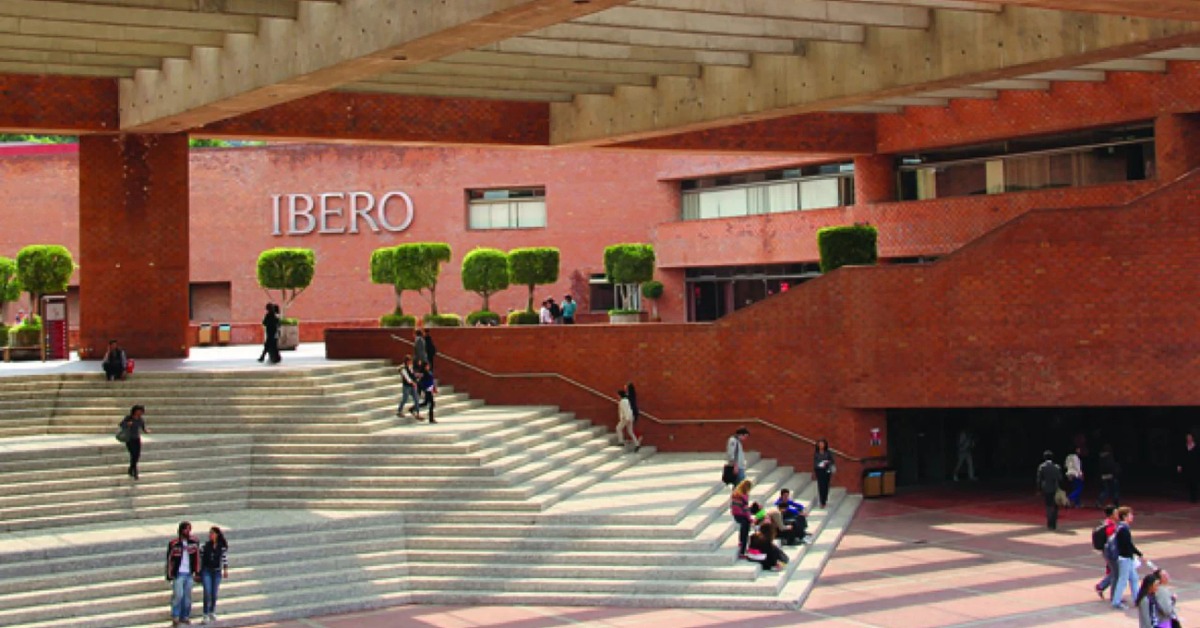
Universidad Iberoamericana will open a new campus in Mérida, with the project set for Cosgaya, a comisaría on the city’s outer edge. The announcement was made by Yucatán state officials alongside Luis Arriaga Valenzuela, rector of Universidad Iberoamericana Ciudad de México, who presented the campus as part of a broader push to expand higher education in the state.
For local officials, the message was clear. This is not being sold only as an educational story. It is also being presented as an economic one. The state argues that Yucatán needs more training capacity as industry, logistics, technology, and services continue to grow. In that argument, a new private university campus is meant to help produce the kind of workers that employers say they need, while also creating construction activity and new business in the surrounding area.
That framing matters because Mérida has been changing fast. Population growth, real estate expansion, and new investment have pushed development deeper into the northern and outer parts of the city. The decision to place the campus in Cosgaya fits into that pattern. It puts a major educational project in an area that state officials say could see better services, more commercial activity, and stronger links to the city’s expanding economic footprint.
Why this matters beyond one university
For many international readers, the name Iberoamericana may need context. The university is part of Mexico’s Jesuit higher-education network, known for combining professional training with a humanist and social mission. In public statements about the Mérida project, the institution emphasized that the new campus is not just an expansion of the existing campus. It described the campus as a regional project aimed at connecting education, sustainability, and social responsibility.
That is an important distinction because this is not a public university adopting a low-cost, mass-enrollment model. It is a private institution entering a growing regional capital that already has several higher-education options. That means the real question is not whether Mérida has universities. It does. The question is what kind of university space this new campus will occupy.
The answer, at least from the public rollout, is that IBERO Mérida wants to position itself as a higher-end academic project tied to the needs of the southeast. Officials highlighted sectors that now shape Yucatán’s growth, especially industry, technology, and services. The state also linked the announcement to a larger development strategy that includes logistics projects, industrial investment, and new education initiatives elsewhere in Yucatán.
In practical terms, that means the campus is being presented as part of a pipeline. The state wants new investment. Investors want trained workers. A university helps fill that gap. Whether that vision holds up will depend on what programs are actually launched, how accessible they are, and whether employers and students respond.
What the campus is expected to offer
Public materials state that the Mérida campus will be organized into five major schools. Those are Business, Basic Sciences, Engineering, Design, Art and Architecture, and Health, Social Sciences, and Humanities. That structure suggests a campus designed to serve both labor-market demand and broader professional education.
The list also helps explain why the state is treating the project as a development tool. Engineering, business, and basic sciences speak directly to the industries Yucatán wants to attract or expand. The health, social sciences, and humanities give the project a broader academic profile and align with the university’s Jesuit identity. Design, art, and architecture add another layer, one that fits a city where construction, urban growth, and cultural branding are all increasingly important.
What has not yet been made public in official announcements is the detailed rollout. I did not find a confirmed first intake date, a final construction timeline, or official Mérida-specific tuition figures in the primary public materials. That leaves several questions open to families and students, including how large the first stage will be, when admissions will begin, and what level of scholarships or financial aid might be offered.
Those unanswered questions do not weaken the significance of the announcement. They do, however, show that the public launch is still at the project stage. The broad vision is now public. The operating details are still catching up.
Cosgaya and the geography of growth
The location is one of the most revealing parts of the story. Cosgaya is not central Mérida. That matters because university projects can reshape nearby land values, traffic patterns, and commercial development. State officials openly said the campus could bring better services, new opportunities, and more economic activity to the area and nearby communities.
That kind of promise is common when large projects are announced, but it deserves close attention in Mérida’s case. The city has been dealing with outward expansion for years. New housing, commercial corridors, and event infrastructure have changed the shape of what many people think of as metropolitan Mérida. A new campus in Cosgaya could reinforce that trend by drawing students, faculty, support services, and private investment farther into the city’s outer zones.
For readers in Mexico, especially foreigners who follow real estate and urban growth, this is where the story becomes more than a brief education. New campuses often affect nearby land markets, transport needs, and the character of surrounding communities. That does not automatically mean negative change. It does mean the project should be read as part of a wider map of development, not as an isolated school opening.
A larger push to make Yucatán an education hub
The announcement also fits a pattern. Yucatán officials have been increasingly talking about education, science, logistics, and investment as part of the same strategy. In the same public rollout, state officials pointed to other university-related projects and argued that education is central to turning economic growth into local opportunity.
That is a politically useful message, but it also carries real stakes. One of the biggest tensions in fast-growing Mexican cities is whether local workers actually benefit from new investment, or whether growth mostly raises costs while skilled jobs remain limited or unevenly distributed. By presenting IBERO Mérida as a talent-building project, the state seeks to address that concern in advance.
Whether it succeeds will take time to judge. A campus can create prestige and attract attention quickly. Building a deep pipeline of local talent takes much longer. It depends on admissions, affordability, academic quality, employer demand, and whether graduates can find strong work without leaving the state.
For now, the announcement marks an important step in how Mérida wants to see itself. Not only as a city of rising real estate values and steady in-migration, but also as a regional center for education and professional formation. The arrival of Universidad Iberoamericana gives that ambition a new symbol. The harder part will be turning the symbol into lasting results.