Mérida says it is expanding community-based tourism in its Maya communities through the Mérida Comunitaria program, a municipal effort that supports tourism projects in comisarías and subcomisarías. For readers unfamiliar with the local structure, those are outlying communities that belong to the municipality of Mérida but sit outside the central urban core.
The city is presenting the program as more than a tourism promotion campaign. Officials say it is meant to create local jobs, strengthen community businesses, and preserve traditions that often sit outside the main tourist circuit. That matters in a city where most visitors still associate Mérida with its historic center, museums, restaurants, and nearby archaeological sites, not with the smaller communities that surround it.
What the program is doing on the ground
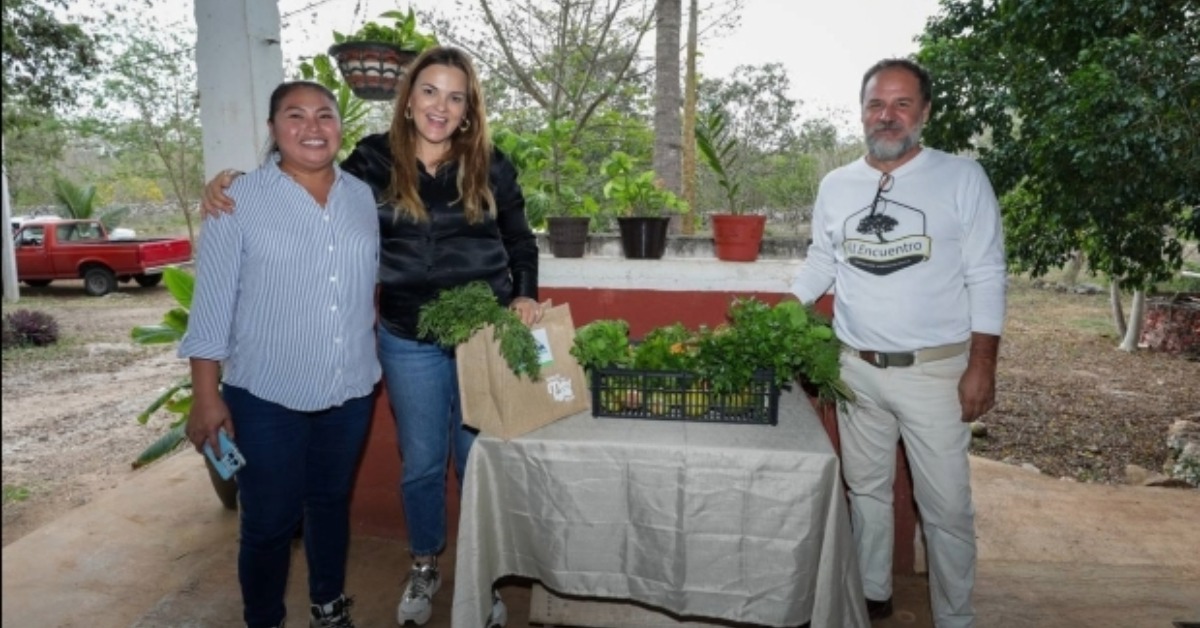
According to the city, the first generation of Mérida Comunitaria includes 10 projects spread across different parts of the municipality. They include melipona bee projects, ecotourism routes, agrotourism experiences, and artisan initiatives in communities such as Xcunyá, San Pedro Chimay, Chablekal, Tamanché, San José Tzal, Dzityá, and Molas.
Officials say those projects have received technical training, personal development workshops, links to tourism operators, and practical support, including equipment, tools, and signage. The city also says it produced audiovisual promotion in five comisarías and organized familiarization trips to connect local projects with operators interested in selling more experience-based travel.
There is also an economic piece that goes beyond guided visits. The municipality says it created a network of 119 women entrepreneurs and artisans and held three artisan markets with 45 participants in coordination with the Museo del Ferrocarril. The message from city hall is clear: tourism should not only bring in visitors, but also widen the number of residents who can earn from that spending.
Why this matters for Mérida
This push comes as Mérida continues to market itself as one of Mexico’s stronger inland tourism destinations. Municipal officials say the city has posted sustained tourism growth. They point to airport traffic and visitor-stay figures as evidence that Mérida already has demand. The local argument is that the next step is to spread more of that demand to communities with cultural and environmental assets but less visibility.
That helps explain why the city is emphasizing inclusive tourism and cultural preservation in the same breath. Community tourism works differently from traditional destination marketing. In theory, it keeps more decision-making and more revenue in local hands. It also gives visitors a more direct connection to food traditions, craft work, land-based activities, and local history.
For foreign residents and long-stay visitors, this is also a sign of how tourism in Yucatán is evolving. The state has spent years promoting Maya heritage and more experience-driven travel. Mérida now appears to be trying to build a city-level version of that strategy, with smaller communities positioned as destinations in their own right rather than side trips.
The next phase will be the real test
The city says it has already opened the call for a second generation of projects. This new phase is expected to place special attention on traditional cooks, embroidery, and hammock weaving. In a recent open council session, officials also discussed a proposal for a municipal tourism platform that would allow direct reservations and electronic payments.
That detail matters because promotion alone rarely solves the biggest barrier for small community projects. Visitors need a clear way to find an experience, book it, pay for it, and get there. If the city can improve those parts of the chain, the program could move from a promising social initiative into a more stable tourism channel.
The broader issue is not whether Mérida has communities with something to offer. It clearly does. The issue is whether the city can help those communities build tourism on their own terms, with enough infrastructure, visibility, and repeat demand to make the model last. That is the part of the story to watch next.