Yucatán’s new literacy strategy sounds simple on the surface: teach 7,000 adults to read and write in 2026. But the Mérida launch points to a much larger challenge inside the state and across Mexico. For many readers, the headline raises a basic question. Why does adult literacy still matter in a state with a strong tourism economy and a growing capital city? The answer reaches far beyond classrooms and into jobs, public services, and daily independence.
A literacy campaign aimed at adults, not children
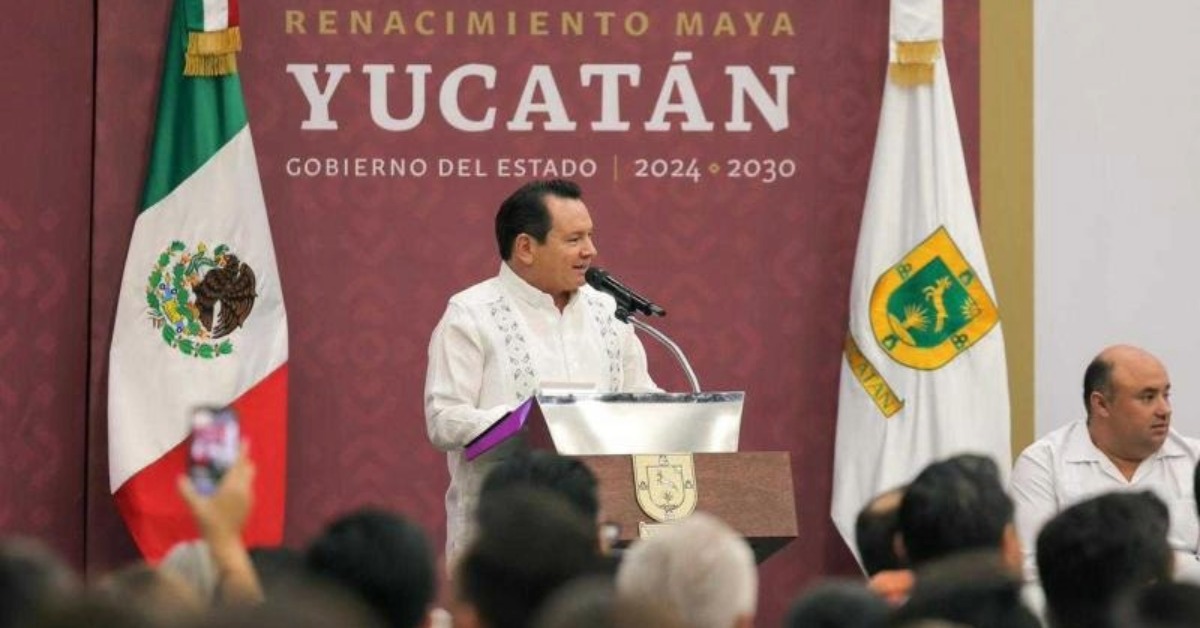
The Yucatán 2026 literacy strategy begins with a clear public target. State authorities say they want to help 7,000 adults learn to read and write this year. The effort was formally launched in Mérida through a collaboration between the state government and INEA, the federal agency that oversees adult education in Mexico.
That matters because this is not a school enrollment campaign for children. It is aimed at people who grew up without finishing basic education or never had steady access to it. Officials said the plan will lean on 700 volunteers and support from educational institutions. The idea is to bring instruction closer to the people who need it, rather than waiting for them to find their way to a formal classroom.
Why this matters beyond the announcement
For international readers, INEA is an important piece of context. In Mexico, adult education is handled through a separate public system that focuses on literacy and on those with unfinished primary and secondary schooling. In practice, that means many adults enter through reading and writing support, then continue toward broader educational certification.
The launch in Mérida is significant because the headline number, 7,000, is only part of the story. The underlying challenge is larger. State and federal officials presented the literacy drive as a way to reduce rezago educativo, or educational lag, across Yucatán. That phrase includes not only illiteracy, but also adults who never completed basic schooling. In other words, literacy is the front door to a wider effort to bring more people back into the education system.
The deeper challenge in Yucatán
That broader context helps explain why the new target deserves attention. An INEA estimate for late 2024 placed Yucatán’s adult illiterate population above 103,000. That suggests the state is trying to make a visible dent in a problem that will likely require more than one campaign cycle.
This is also why the launch was framed as more than a symbolic event. Officials described the program as a territorial effort, with volunteers reaching across the state and working face-to-face with adult learners. That approach matters in adult literacy work. Many potential participants are balancing jobs, family responsibilities, long gaps away from school, or discomfort about returning to a learning setting. A campaign can announce a goal in one day, but meeting it depends on patient follow-up in neighborhoods and communities.
What adult literacy changes in real life
It is easy to reduce literacy to a classroom skill, but for adults, it often shapes everyday independence. Reading and writing affect how people complete government forms, follow medical instructions, understand work documents, manage banking, use digital tools, and navigate public services. That is one reason officials tied the campaign to opportunity and inequality, not just education policy.
For expat readers, this is also a reminder that life in Mexico can look very different depending on class, geography, and access to education. A city like Mérida may project growth and stability, yet still be within a state where thousands of adults remain illiterate. The story is not only about a government promise. It is about whether public institutions can convert that promise into practical, local results.
What to watch next
The next real test will not be the launch ceremony. It will be the state’s ability to identify learners, keep volunteers engaged, and move participants through the program long enough to produce lasting results. Officials have already suggested they want rapid progress during the first phase of the rollout.
If the strategy works, the result will exceed one annual target. It could strengthen Yucatán’s adult education pipeline and give more residents a path to complete their basic education. If it falls short, the launch will still matter as a measure of how seriously the state is prepared to confront a problem that remains much larger than many outsiders might assume.