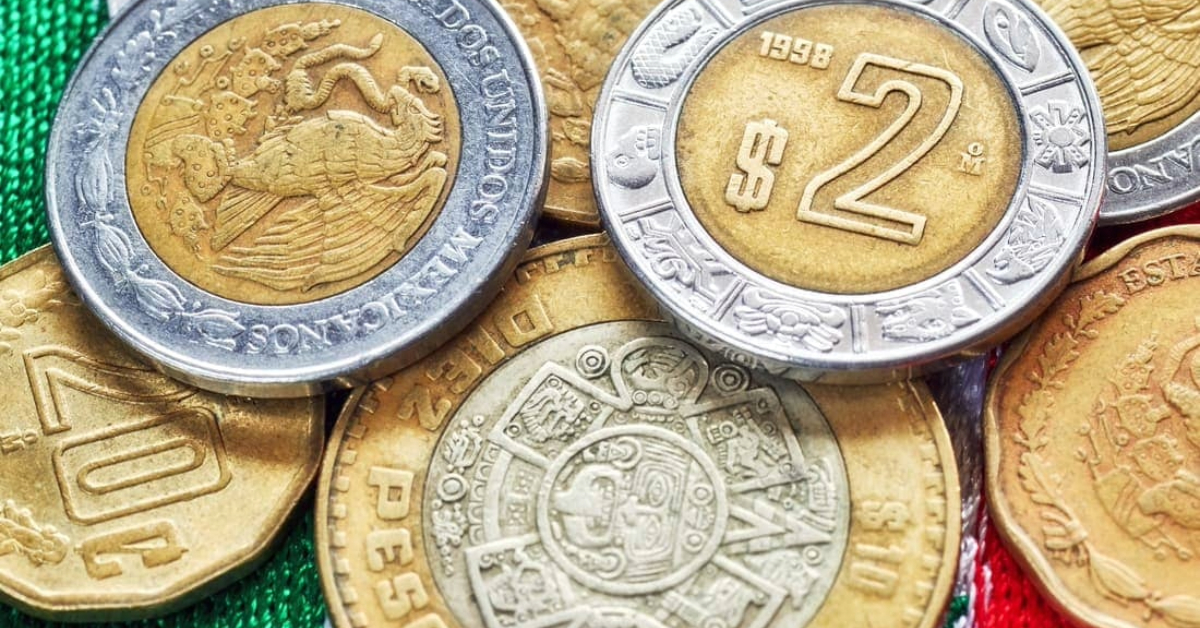
The U.S. dollar began trading higher in Mexico this morning, continuing last week’s upward trend. At 6:18 a.m. CDMX time, the greenback was quoted at 20.38 Mexican pesos—marking a 0.44% increase from yesterday’s close of 20.30 pesos.
Market watchers say the rise in the dollar comes amid growing uncertainty in the Mexican peso, which has been losing strength ahead of a critical policy shift. In just two days, the current pause on tariffs—specifically those impacting Mexican products under the so-called Student tariffs—will come to an end, injecting further volatility into the foreign exchange markets.
The end of the tariff pause is set for next Wednesday, April 2nd, a date that has already drawn sharp rhetoric from both sides of the border. The United States has expanded its tariff measures to include automobiles from all countries, even as the pause on Mexican imports, originally agreed upon by U.S. President Donald Trump and Mexican President Claudia Sheinbaum, now faces an uncertain future. Negotiations between the two governments are ongoing, with details of a new arrangement expected to be announced within hours.
Amid the uncertainty, President Trump has branded April 2nd as “Liberation Day,” signaling a more aggressive tariff stance that may intensify economic tensions. In response, President Sheinbaum reassured the public on Sunday that the Fourth Transformation (4T) “will save Mexico.” She emphasized a commitment to a policy framework “for the good of all, with the poor first.” In a bid to strengthen the national economy, her government has already disbursed 800 million pesos directly to Mexican families through social programs ranging from support for older adults and people with disabilities to youth initiatives, student scholarships, and agricultural aid.
As both nations navigate these challenging economic waters, investors and consumers alike will be watching closely. The coming days are expected to bring further clarity on tariff policies and their potential impact on both the Mexican peso and broader economic stability in the region.