Mexico’s World Cup 2026 security plan is taking a more visible high-tech turn, with drones, smart cameras, stadium control centers, and robotic police support expected to play a role in host-city operations.
The plan comes as Mexico prepares to host matches in Mexico City, Guadalajara, and Monterrey, three cities that will receive large numbers of domestic and international fans. The tournament begins June 11, 2026, with the opening match in Mexico City.
The new security approach is not only about stadium gates. It includes how officials monitor crowds, protect access routes, manage emergencies, and respond to possible threats before they become larger problems.
For many foreign residents and visitors in Mexico, the most noticeable changes may be tighter screening, more cameras, controlled traffic zones, and a larger police presence near stadiums, fan areas, hotels, and airports.
What the technology is expected to do
The plan includes drones for aerial monitoring, smart cameras for crowd and pattern analysis, and stadium operations centers where security teams can coordinate information in real time.
These systems are meant to help authorities see problems earlier. That can include crowd surges, blocked access points, suspicious objects, unauthorized drone activity, or medical emergencies.
Guadalajara and Monterrey have also moved toward more security equipment, including body cameras, X-ray devices, metal detectors, and analytics systems. These tools are now common in major international events, but the World Cup will test them on a larger scale.
The goal is to create a layered system. Fans may pass through physical screening at the entrance, while command centers monitor activity inside and outside the venue.
Robot dogs join the Monterrey plan
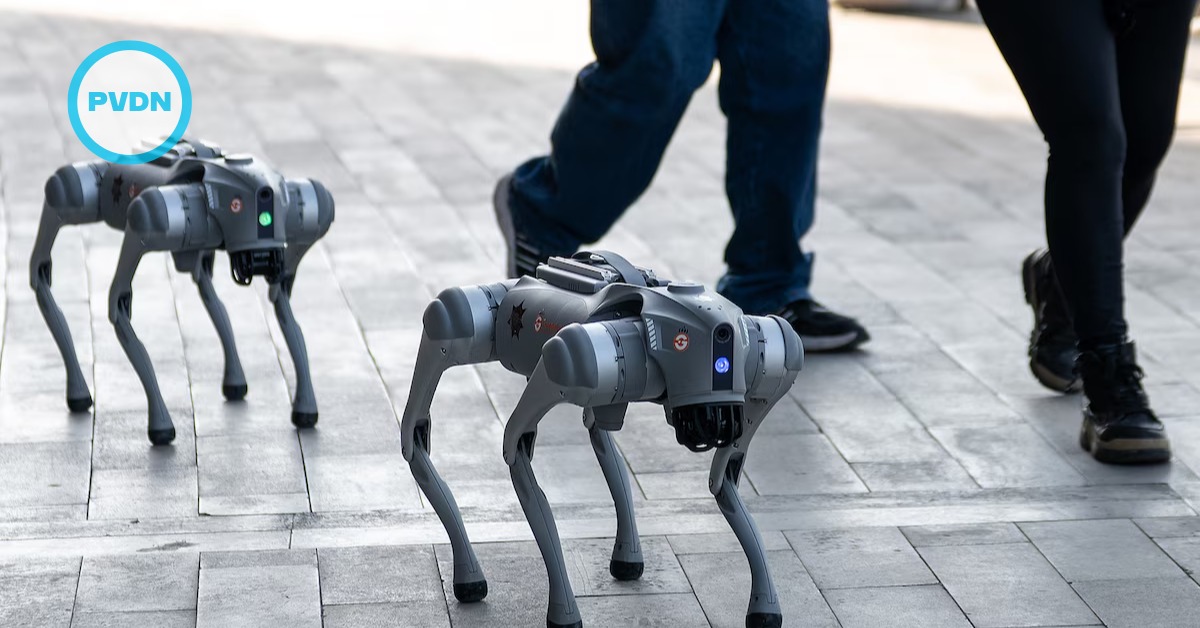
One of the most attention-grabbing pieces is the use of robot dogs in Nuevo León, where Monterrey’s World Cup matches will be held at Estadio BBVA in Guadalupe.
The robotic units are part of a local K9-X division. They are designed to support police with video, night-vision, and audio communications, as well as early inspection of risky areas.
The robot dogs are not meant to replace officers. They are controlled by human operators and can be sent into spaces where police may want a first look before entering.
That could include a fight, a restricted space, a suspicious object, or an area where officers need real-time video before making a decision. Their role is preventive and tactical, not independent enforcement.
Why this matters beyond the stadium
The 2026 World Cup is the largest in the tournament’s history, with 48 teams and 104 matches across Canada, Mexico, and the United States. Mexico’s share is smaller than the U.S. schedule, but the opening match puts the country in the global spotlight from the first day.
Security planning must cover more than the match itself. Teams, diplomats, media, sponsors, tourists, and fan gatherings all create pressure on transport, policing, and emergency services.
Mexico’s broader security strategy has already included federal coordination, host-city planning, and cooperation with international partners. The challenge is making those plans work in real streets, not only on paper.
For expats and frequent visitors, the practical takeaway is simple. Host cities may feel more controlled around match days, especially near stadiums, hotels, training sites, and airports.
Smart security also brings questions
High-tech tools can help officials respond faster, but they also raise questions about privacy, data handling, and oversight.
Smart cameras and analytics systems depend on how they are used. They can help identify crowd flow problems, but they can also collect large amounts of public-space data.
That means clear rules matter. Authorities will need to demonstrate that technology supports public safety without creating unnecessary surveillance or confusion for residents and visitors.
There is also the question of reliability. Drones, robots, and analytics software can support decisions, but they cannot replace trained officers, medical teams, or clear emergency planning.
A public confidence test for Mexico
The World Cup will be a security test and a test of public confidence. Mexico must reassure fans while keeping daily life moving in three major urban areas.
The use of drones, robot dogs, and smart cameras sends a message that host cities want to be seen as prepared. But the real measure will be whether fans experience safe, orderly, and predictable match days.
For Mexico, the stakes go beyond soccer. The tournament will shape how millions of visitors see the country’s ability to manage major global events.
If the systems work well, most fans may barely notice them. That may be the best outcome for a security plan built to stay visible enough to deter problems, but not so heavy that it overwhelms the event.