Traveling with a dog or cat in Mexico is already common, but the rules can be uneven. A new proposal in Mexico City would create a legal tourism category for people traveling with companion animals. The idea reaches beyond hotels and restaurants. It could affect transport, recreation, public spaces, and how businesses market pet-friendly services. For foreign residents and visitors, the proposal raises a larger question: how far is Mexico ready to go in formalizing travel with pets?
Mexico City lawmaker proposes pet-friendly tourism category
A Mexico City lawmaker has proposed adding Turipet to the capital’s local tourism law, creating a formal category for travel with companion animals.
The initiative was presented by Luisa Fernanda Ledesma Alpízar, a legislator with Movimiento Ciudadano. It seeks to recognize pet tourism and other forms of tourism involving “sentient beings” as a specific form of tourism in the city’s legal framework.
The proposal would apply to services such as hotels, restaurants, transportation, recreation, and outdoor experiences. Its stated goal is to give businesses and authorities a clearer legal footing as more residents and visitors travel with dogs, cats, and other companion animals.
The measure is still a legislative proposal. It does not yet create new rights for pet owners or force every tourism business in Mexico City to accept animals.
What the Turipet proposal would do
The proposal would amend the city’s tourism law by adding Turipet as a recognized tourism category. The term refers to tourism involving companion animals in recreational, leisure, or tourism services.
The idea is not limited to hotel stays. It also includes food services, transportation, recreation, and contact with urban or natural spaces.
The proposed wording emphasizes animal welfare, dignified treatment, safety, and respect for the environment. That is important because pet-friendly tourism can create friction when businesses, visitors, and public spaces operate without shared rules.
For businesses, a legal category could help define what a pet-friendly service is expected to provide. For visitors, it could make policies less arbitrary. For authorities, it could give a clearer basis for inspection, promotion, and future regulations.
The proposal has been referred for legislative review, which means the final version could change before any vote.
Mexico’s pet-owning population is part of the story
The proposal rests on a simple reality: pet ownership is common in Mexico.
INEGI’s national well-being survey found that 69.8% of Mexican households had at least one pet. The same data estimated around 80 million pets in the country, including 43.8 million dogs and 16.2 million cats.
That has already shaped the tourism market. Many hotels now advertise pet-friendly rooms. Some restaurants allow dogs in outdoor seating areas. Private transportation services, pet sitters, groomers, and veterinary clinics have also become part of the travel experience.
For foreign residents in Mexico, this is not a small issue. Many move with pets or adopt animals after settling here. Others travel between cities with dogs or cats and often face different rules at each destination.
The proposed Turipet category appears aimed at bringing that reality into the law, rather than leaving it to informal business practices.
The gap between pet-friendly marketing and legal rules
Mexico City already has laws recognizing animals as sentient beings and entitling them to protection and dignified treatment. The city has also strengthened animal welfare rules in recent years, including provisions tied to registration, identification, and animal care.
Tourism law, however, has not fully caught up with those changes.
That creates a practical gap. A hotel may call itself pet-friendly, but its rules may vary by location, room type, animal size, or staff interpretation. A restaurant may welcome dogs on a patio, while another may refuse them entirely. Transport rules can be even harder to understand.
The proposed category would not solve every issue on its own. A broad legal definition would still need follow-up rules, operating standards, and enforcement. It could, however, give the city a starting point for clearer policy.
That matters because pet-friendly tourism is not only about convenience. It also involves sanitation, noise, liability, animal behavior, public safety, and environmental protection.
Transport remains one of the biggest questions
For pet owners, transportation is often the hardest part of traveling in Mexico City.
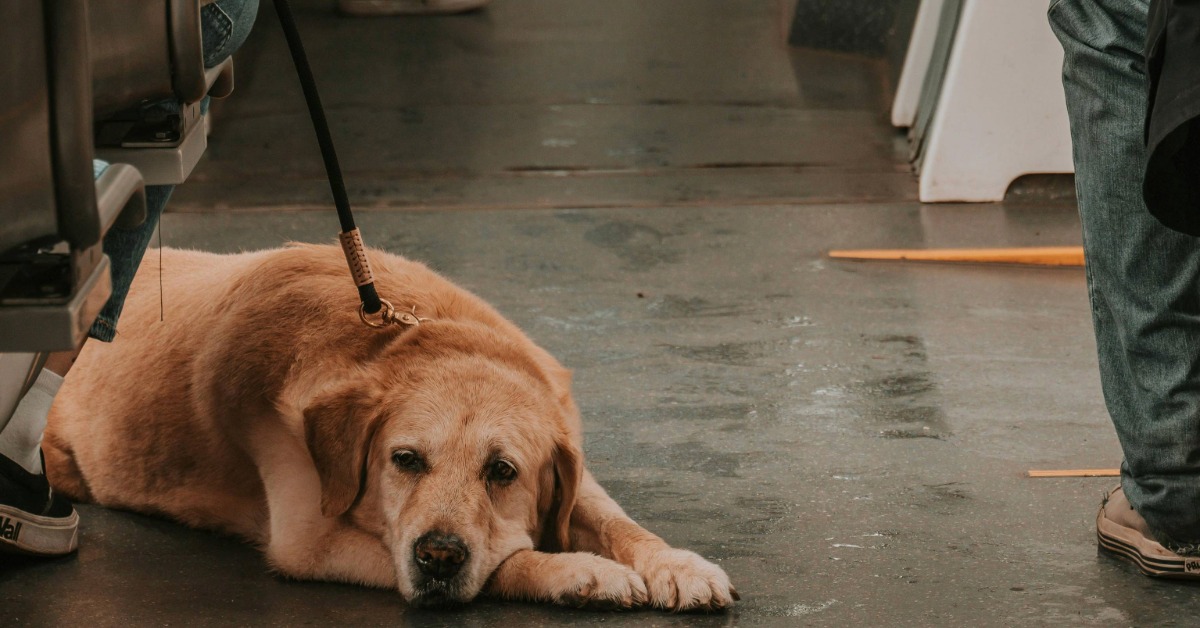
The Metro’s rules restrict the transport of animals, with exceptions for assistance or service animals. At the same time, Metro authorities have advised that pets should only enter in special carriers when access is allowed, mainly for safety reasons.
Metrobús has previously communicated that pets may travel in a fully closed carrier. Assistance and service animals are treated differently.
This uneven landscape shows why a tourism category alone would not answer every question. Tourism law, mobility rules, and animal welfare rules would need to work together.
A visitor may find a pet-friendly hotel and restaurant, but still struggle to move around the city without using a private car or ride-hailing service. For larger dogs, the problem is even more complicated.
If Turipet advances, transport could become one of the areas where clearer rules are most needed.
What it could mean for hotels and restaurants
For hotels and restaurants, the proposal could eventually lead to more consistent standards.
A pet-friendly hotel may need to define cleaning policies, restricted areas, deposits, acceptable animal sizes, and owner responsibility. Restaurants may need clearer rules for patios, indoor areas, food safety, and staff discretion.
Many businesses already manage these issues on their own. A legal category could help formalize what is now a patchwork of house rules.
That could benefit responsible operators. Clearer standards can reduce disputes with guests and help businesses market services without creating unrealistic expectations.
It could also prevent misuse of the pet-friendly label. A venue that accepts pets only under narrow conditions may need to explain those conditions more clearly.
For travelers, that would make planning easier. It would also help avoid unpleasant surprises after arrival.
Environmental and public space concerns
The proposal also touches on environmental protection, which is often overlooked in pet travel discussions.
Dogs and cats can affect parks, trails, protected areas, and wildlife when rules are weak or ignored. Waste management, leash rules, and restricted zones all become part of the issue.
Mexico City has large urban parks, busy plazas, and nearby natural areas. Not every space can safely or responsibly handle pets in the same way.
A stronger framework could allow the city to distinguish between urban pet-friendly services and more sensitive environments. That could include different rules for parks, trails, canals, conservation areas, and crowded public events.
The balance is important. Pet-friendly tourism can support businesses and travelers, but it cannot rely only on good intentions.
What international travelers should know
Foreign visitors bringing pets to Mexico would still need to follow federal animal health requirements.
Travelers entering Mexico with dogs or cats normally deal with SENASICA, the federal authority responsible for animal health inspections. Requirements can include inspection, a clean carrier, health documentation, and proof of rabies vaccination or treatment for parasites, depending on the pet’s origin and current regulations.
A Mexico City tourism category would not replace those federal entry requirements. It would only address the city’s treatment of pet-inclusive tourism services.
Airlines also have their own pet policies. Weight limits, carrier dimensions, cabin rules, and cargo options can vary by airline.
For foreign residents and tourists, the practical takeaway is simple: a local pet-friendly framework may make it easier to find services, but it does not remove the need to check federal, airline, and local rules before traveling.
A proposal that reflects changing households
The Turipet proposal also reflects a broader social shift in Mexico.
Pets are increasingly treated as part of the household. In many urban areas, dogs are common in parks, cafés, apartment buildings, and on travel plans. Pet services have expanded with that change.
At the same time, not everyone wants animals in shared public or commercial spaces. Some people have allergies, safety concerns, or cultural objections. Businesses must also consider sanitation and liability.
That is where regulation becomes useful. Clear rules can protect pet owners, businesses, workers, other customers, and the animals themselves.
The proposal does not yet settle those questions. It opens a legal path for Mexico City to decide how pet-inclusive tourism should work in practice.