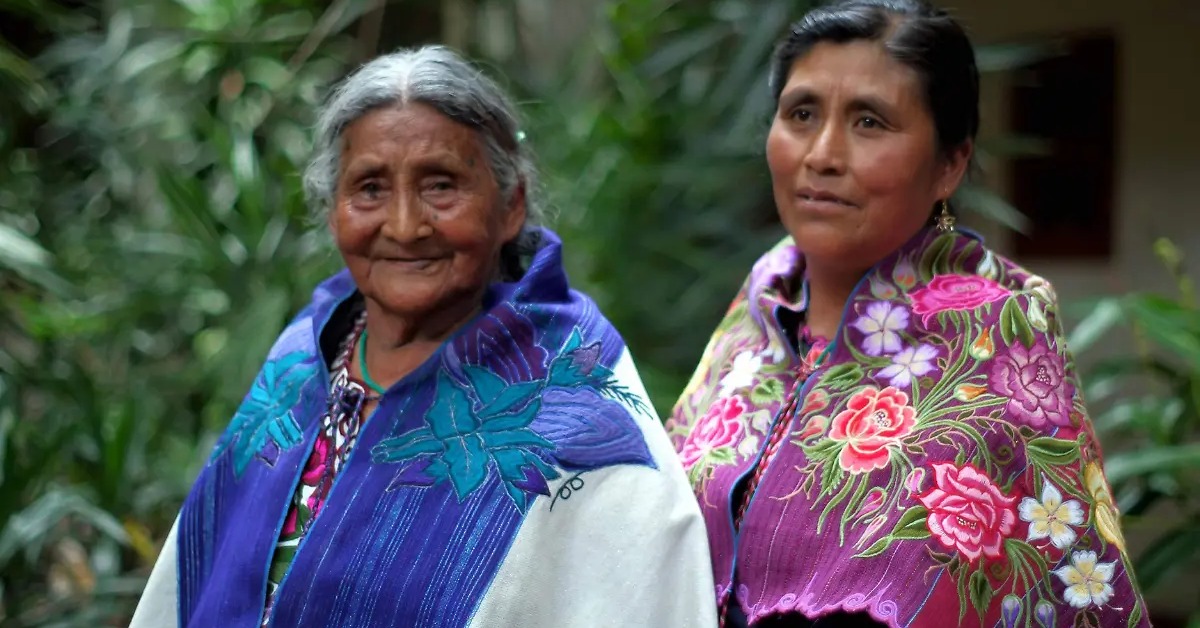
Mexico’s Health Ministry has created a new national committee focused on midwifery, maternal care, and newborn health. The move comes as the country works to reduce preventable maternal deaths and bring clearer rules to a field that includes hospitals, professional midwives, and traditional birth attendants. The committee will not replace doctors or hospitals, but it could influence how birth care is organized, monitored, and improved across public and private health services.
Mexico Creates Midwifery Committee
Mexico’s Health Ministry has created a National Midwifery Committee to help coordinate federal policy on pregnancy, childbirth, postpartum care, and newborn health.
The committee was established through an agreement published in the Diario Oficial de la Federación on May 1, 2026. The Health Ministry said the new body will serve as an advisory group for national policy on midwifery and maternal and neonatal care.
The move is part of a broader effort to reduce preventable maternal deaths, improve birth care, and strengthen coordination among Mexico’s public health institutions. It also comes after Mexico approved a national standard recognizing midwifery as part of maternal and newborn care.
For residents and foreign families living in Mexico, the change does not mean hospitals or clinics will shift overnight. But it could affect how maternity services are planned, how midwives are included in care teams, and how birth-related data is used to improve safety.
A new committee with a national role
The new committee is designed to bring Mexico’s main health institutions into the same policy space.
It will include the Health Ministry, IMSS, ISSSTE, IMSS-Bienestar, SEDENA, SEMAR, Pemex health services, the General Health Council, the National Institute of Perinatology, and several federal health offices.
The committee will also include rotating participation from state health secretaries. The first states named for those rotating seats are Aguascalientes, Durango, Jalisco, Querétaro, Chiapas, Campeche, and Hidalgo.
The National Institute of Indigenous Peoples will participate as a permanent guest. International organizations, including UNFPA, PAHO/WHO, and UNICEF, may also participate as invited members.
That structure matters because maternal health care in Mexico is fragmented. Some women receive care through IMSS or ISSSTE. Others use IMSS-Bienestar, state health services, private hospitals, private midwives, or community-based traditional birth attendants.
The committee’s task is to help align those systems, not to replace them.
What the committee is expected to do
The committee will analyze and follow up on policies, strategies, and actions related to midwifery, pregnancy, birth, postpartum care, and newborn health.
Its functions include proposing technical criteria, reviewing health indicators, promoting training, and supporting the gradual inclusion of midwifery models in public and private health services.
The agreement specifically mentions tracking indicators such as cesarean births, vaginal births, and accompanied births.
That is an important point. Mexico, like many countries, has long faced concerns about overmedicalized birth, unnecessary interventions, and uneven access to respectful care. Midwifery is often discussed as one way to improve support for low-risk pregnancies while keeping referral systems available for emergencies.
The committee will also be able to form working groups and issue recommendations. It must hold ordinary sessions at least every two months.
Its first installation session must take place within 15 calendar days of the agreement taking effect. After that, the committee has up to 60 business days to issue its operating rules.
Midwifery in Mexico is not one single system
The word midwifery can mean different things in Mexico.
There are professional midwives, nurses with obstetric training, perinatal specialists, and traditional midwives. Traditional midwives often serve rural, Indigenous, and community settings where formal medical access may be limited or where families prefer culturally familiar care.
Mexico’s new committee will operate within that mixed landscape.
In 2025, Mexico issued NOM-020-SSA-2025, a national standard for health establishments and the recognition of midwifery in comprehensive maternal and neonatal care. That standard is now part of the legal and regulatory background for the new committee.
The NOM recognizes midwifery in maternal and newborn care, but the subject remains sensitive. Some midwives and advocacy groups have argued that regulation can protect patients and clarify services. Others have warned that strict rules can exclude traditional birth attendants or make community-based care harder to practice.
That tension will likely shape the committee’s work.
The maternal health context behind the decision
The creation of the committee is being framed around preventable maternal deaths and the need for better care before, during, and after birth.
Maternal death is not only a hospital issue. It can be tied to late prenatal care, poor access to emergency transport, high-risk pregnancies, delayed referrals, unsafe conditions, discrimination, language barriers, and weak coordination between community care and hospitals.
International health organizations have urged countries to strengthen midwifery as part of broader maternal health systems. The goal is not to separate midwives from medical teams. It is to include trained midwives in a care model that can identify risks, support normal birth, and quickly refer emergencies.
In practice, that requires more than creating positions. It also requires training, clear rules, respectful treatment, emergency referral routes, and data that shows where the system is failing.
That is where the new committee could have influence.
What could change for families and patients
The committee will not directly treat patients. It will not decide individual birth plans, certify every midwife, or replace a hospital’s medical judgment.
Its influence would be more indirect.
Over time, it could shape national guidance on how midwives work with hospitals, how low-risk pregnancies are supported, how emergency referrals are handled, and how maternal health indicators are reviewed.
For foreign residents in Mexico, the practical advice remains the same. Anyone planning a birth should ask providers about credentials, emergency protocols, hospital transfer agreements, and whether the birth team has experience with the patient’s language and medical needs.
Those questions matter in both public and private care.
The new committee may eventually clarify some of those systems. But families should still verify local options, because maternity care varies widely by state, city, and provider.
The larger policy test
The creation of the National Midwifery Committee gives Mexico a formal space to coordinate midwifery policy at the federal level.
The larger test will be whether the committee can turn coordination into practical improvements. That means safer care, clearer referral systems, better respect for patients, and stronger links between hospitals and community-based providers.
It will also require balancing professional standards with the reality of traditional midwifery in many parts of Mexico.
If the committee becomes only another administrative body, its impact may be limited. If it helps connect policy, training, data, and community practice, it could become a useful part of Mexico’s maternal health strategy.
For now, the decision signals that midwifery is no longer being treated as a side issue. It is being placed inside the national conversation on maternal care, newborn health, and preventable deaths.