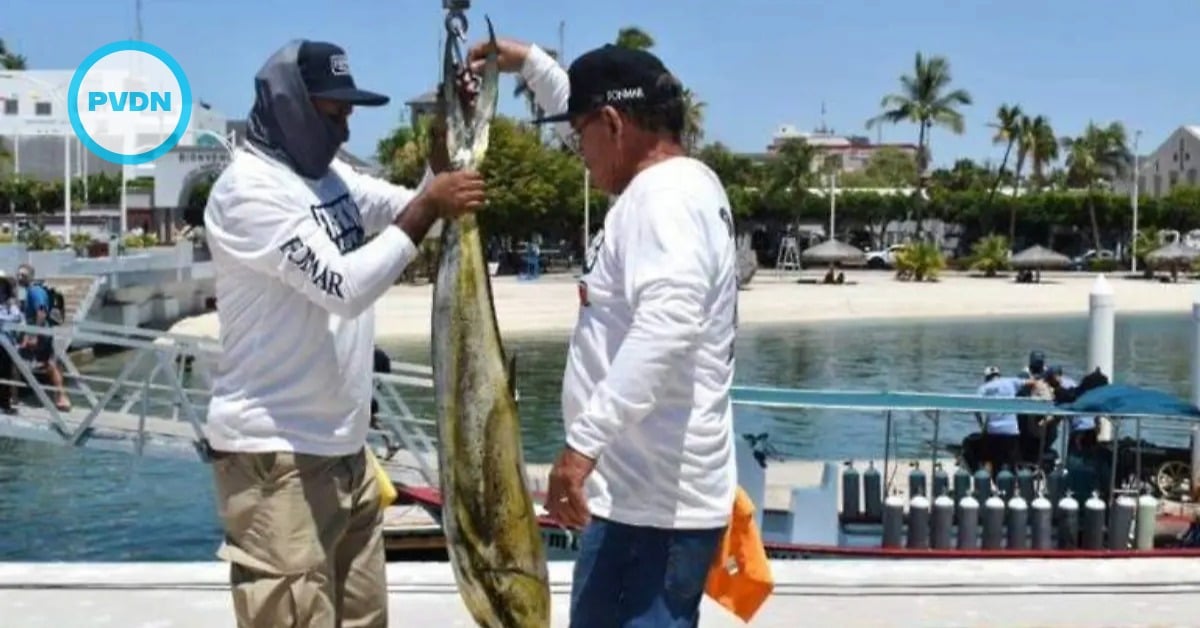
The marlin flags still fly from Cabo’s outriggers, but crews say the fish beneath them are getting smaller. In Los Cabos, tournament organizers and sport fishers are urging Congress to update Mexico’s Fisheries Law with Mexico fisheries reform that adds minimum size and weight limits for species like marlin and dorado. They argue today’s rules focus on how many fish you can take, not how small those fish have become. Their pitch arrived this week through Bisbee’s Mexico coordinator Clicerio Mercado, who warned that shrinking sizes point to broader stress in pelagic stocks.
Mexico fisheries reform
Mercado’s ask is straightforward: when a fishing license is issued, it should state a clear minimum size per species. Right now, Mexico’s federal sport-fishing rules use a points-based bag system—ten points per angler per day, with one billfish allowed and counting as five points; dorado typically counts as two—yet they don’t set universal minimum sizes for recreational catches. That gap, they say, encourages harvest of undersized fish and undermines the high-value release ethic that Cabo tries to model. The call comes as locals report smaller average dorado and fewer large marlin in recent seasons, adding urgency to the debate.
The push lands in a long-running political fight over species reserved for sport fishing—especially dorado and marlin—under Article 68 of the law. Attempts to loosen those protections have met resistance from Baja California Sur lawmakers and coastal fleets that depend on tourism. As recently as 2024 and 2025, local leaders rejected proposals seen as opening the door to commercial take or weakening buffers near shore. At the same time, conservation groups warned that illegal trade in dorado persists, muddying enforcement and eroding trust in the rules. Together, those pressures help explain why Cabo stakeholders now want a different lever: size and weight floors that are easy to understand, easy to check, and align with tournament norms.
Bag limits without sizes leave gaps
Mexico’s official sport-fishing guide limits overall catch, not length. It caps one billfish per angler per day and forbids more than five of any single species, but it doesn’t tell a deckhand where to draw the line on a small dorado. On the docks, big-money events already set their own thresholds—Bisbee’s requires a 300-pound minimum to weigh blue or black marlin and releases striped marlin—while everyday charters rely on the federal bag system. That split makes the law feel out of step with the practices Cabo markets to travelers, and it complicates messaging about what “responsible” looks like when the bite is hot but the fish run small.
Economically, the stakes are real. Baja California Sur’s sport-fishing sector supports thousands of jobs and draws high-spending visitors whose trips hinge on healthy billfish and dorado. Locals worry that a steady diet of juvenile harvests means fewer trophy-class fish later—and fewer repeat bookings. A narrow reform could be the compromise path: keep Article 68’s sport-only status for dorado and marlin, step up enforcement against illegal sales, and add clear, science-based minimum size and weight requirements that match what top tournaments already require. For Los Cabos, that would make the rules on paper look more like the rules on the scale.