Mexico News – The Mexican government is preparing a lawsuit against SpaceX, the private aerospace company owned by Elon Musk, for operating a debris collection platform in the Gulf of Mexico without the required permits. President Claudia Sheinbaum confirmed on Wednesday that a technical study evaluating the case is complete and that legal proceedings will be initiated.
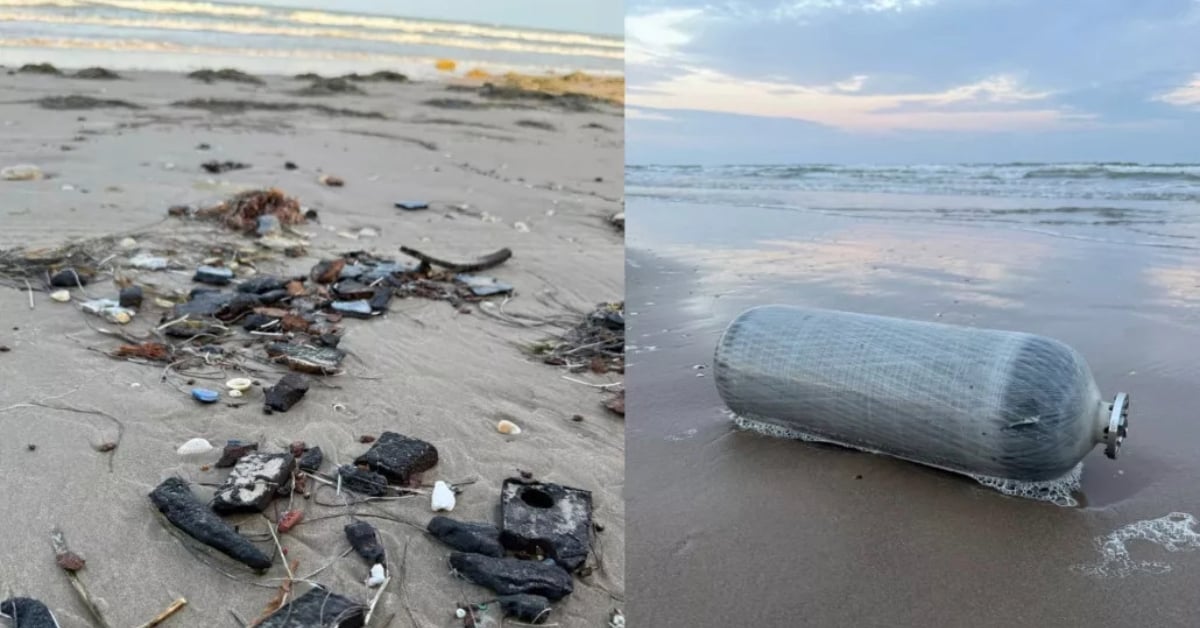
The platform was reportedly deployed to retrieve debris from the Starship rocket, which exploded in June during an engine test. The incident sent fragments of the spacecraft into Mexican territory—particularly affecting coastal areas in the state of Tamaulipas—raising serious environmental concerns.
President Sheinbaum announced the pending lawsuit during her morning press conference, stating, “There is a completed study and it confirms there was an impact on our country.” She explained that various government departments, including the Ministry of the Environment, Navy, Interior, Foreign Affairs, and the Digital Transformation Agency, contributed to the investigation.
Unauthorized operations in Mexican waters
While SpaceX’s contractor had obtained a temporary entry permit, the platform was not cleared to operate in Mexican maritime territory. Admiral Raymundo Pedro Morales Ángeles, head of the Mexican Navy, confirmed the breach, explaining that “the platform has already been removed” but emphasized that international sanctions are being reviewed due to the unauthorized activity.
“The company did not comply with Mexican maritime and environmental protocols,” Morales said. “We’re now reviewing possible penalties under international law.”
According to Sheinbaum, legal steps to formally sue Elon Musk’s SpaceX are already underway.
Environmental impact of the Starship explosion
The lawsuit stems from an explosion in June during a Starship rocket engine test at Boca Chica, Texas. The rocket disintegrated in flight, and debris was scattered over a wide area—some crossing the border into Mexico. Authorities in Tamaulipas reported fragments landing on beaches, and local environmental groups raised alarms over potential contamination.
One major consequence was the postponement of a conservation effort to release more than 10,000 Kemp’s ridley sea turtle hatchlings into the wild. Environmentalists argued that the risk of toxic debris made the release unsafe.
“There were no injuries reported, but the environmental damage is evident,” an environmental official familiar with the study noted.
Mexico evaluates broader implications
The Mexican government believes that SpaceX violated international norms governing cross-border environmental impact and maritime operations. It is also evaluating how new technologies and private aerospace ventures affect national sovereignty and local ecosystems.
President Sheinbaum emphasized the importance of regulatory control in the face of rapid technological advancement. “Just because a company is powerful and innovative does not mean it is exempt from respecting the law,” she said. “We must ensure that foreign companies operating near or within Mexican territory comply with all relevant regulations.”
What’s next for SpaceX in Mexico?
Legal experts suggest that the case could become a landmark in the regulation of commercial space ventures, especially those operating near international borders or protected ecological zones. It also sets a precedent for how Mexico may approach future violations involving foreign companies conducting high-risk operations.
If the lawsuit moves forward, SpaceX could face sanctions not only under Mexican law, but potentially through international environmental agreements as well.
As of now, SpaceX has not publicly responded to the Mexican government’s announcement. The platform in question has already been removed, but the legal and diplomatic consequences are only beginning to unfold.
The Mexico lawsuit against SpaceX is shaping up to be more than a dispute over permits—it’s a clash between national regulation and the growing ambitions of private space companies. With environmental damage, cross-border implications, and international law at play, this case could resonate far beyond the Gulf of Mexico.
Mexico news, SpaceX, Elon Musk, Claudia Sheinbaum, Starship rocket, Tamaulipas, Gulf of Mexico, environmental damage, aerospace, government lawsuit