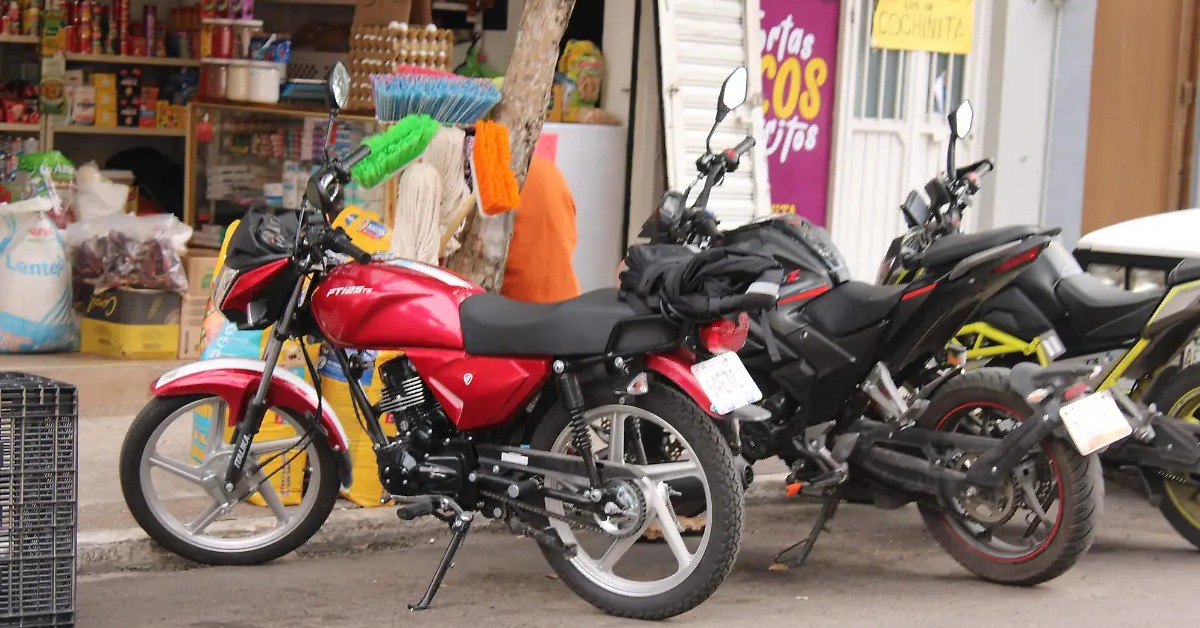
Mexico’s environment ministry has published PROY-NOM-175-SEMARNAT-2026, a draft rule that would, for the first time, set federal emissions limits specifically for new gasoline motorcycles sold in the country. The proposal was published in the Diario Oficial de la Federación on April 22, 2026, which means it has officially entered the rulemaking process.
At its core, the draft is about bringing a rapidly expanding market under clearer environmental rules. The proposal sets maximum emissions thresholds for pollutants released through the exhaust of new motorcycles and would require manufacturers and importers to prove compliance before those units can be sold in Mexico. The pollutants named in the draft include carbon monoxide, hydrocarbons, and nitrogen oxides, all of which are tied to urban air pollution and smog formation.
For readers outside Mexico, a NOM is an official technical standard. A proposal like this is not yet the final rule. It is the draft stage of a process that includes public consultation, review of comments, and, if approved, publication of the definitive standard. Under Mexico’s infrastructure law, the public consultation period for a proposed NOM cannot be shorter than 60 days, and final NOMs generally cannot take effect sooner than 180 days after publication, though implementation can be staged.
What the draft would require
The proposal would place the main burden on the companies that build or bring motorcycles into the Mexican market. Under the draft, Profepa would issue a Certificate NOM by motorcycle line and model year. To get that certificate, companies would have to submit emissions test data showing that their motorcycles stay within the permitted limits. Profepa would also be able to verify a sample of motorcycles sold in Mexico and compare those results with the original certification data.
That matters because the rule is not written as a simple promise from industry. It creates a compliance system tied to sales authorization. If a manufacturer or importer does not have the required certificate, the motorcycle cannot be legally commercialized in Mexico under the proposal described in the draft and in follow-up reporting on the measure.
The draft also includes important technical details. Reporting on the published text says the proposal sets limits in grams per kilometer for CO, HCT, and NOx, and it contemplates on-board diagnostics for certain motorcycles. It also allows, at least while Mexico lacks enough domestic testing infrastructure, the use of certification test results from the vehicle’s country of origin. That point is especially relevant for importers and international brands already selling into Mexico.
Another practical point is scope. Reporting on the proposal indicates that the measure would apply to new units and to earlier model-year motorcycles still sold as new, not to the existing fleet already on the road. In other words, this is a sales-and-certification rule for the market going forward, not a retroactive requirement for owners of used bikes already in circulation.
Why Semarnat is acting now
The official title of the draft points to an environmental goal, but the broader context is also about the changing shape of mobility in Mexico. Motorcycles have become a larger part of daily transportation, work, and delivery activity in many cities. They are widely used because they are cheaper than cars, easier to finance, and more practical in traffic. The result is a much more visible motorcycle fleet in urban Mexico than in previous years. Semarnat and related reporting frame the proposal as a response to that growth.
That growth has policy consequences. Passenger cars have long operated under more developed emissions frameworks, inspections, and technical requirements. Motorcycles, especially lower-cost models, have often occupied a lighter regulatory space. Reporting on the draft says Semarnat officials explicitly contrasted the emissions-control technologies common in larger vehicles with the simpler systems found on many motorcycles sold in Mexico.
The timing also fits a wider policy pattern. Mexico has already been tightening or updating other air-quality and environmental compliance rules. This proposal pushes motorcycle regulation in the same direction, with the stated goal of reducing pollution from a vehicle segment that has become much more common in everyday transport.
What it could mean for riders and buyers
For most consumers, the immediate effect is likely to be indirect. The draft does not mean current owners will suddenly need to replace their motorcycles. It also does not mean every motorcycle on sale changes overnight. What it does mean is that brands may have to adjust engines, exhaust systems, diagnostics, or certification paperwork to keep specific models in the Mexican market once the rule becomes final.
Over time, that can reshape what buyers see in showrooms. Some low-cost models could require redesigns. Some manufacturers may be better positioned than others because they already build to stricter standards for other markets. For international readers living in Mexico, that is the practical takeaway: the draft is less about a new rule for current riders and more about the future composition of the market.
There is also a potential price question. Cleaner technology and certification add costs, and those costs can eventually be reflected in retail prices. The draft itself does not set consumer prices, and it is too early to say how brands would respond. Still, emissions rules often affect affordability at the lower end of the market, where margins are tighter and simpler designs have been part of the business model.
What happens next
Publication in the DOF does not make the draft a final standard. Mexico’s rulemaking process still requires consultation and review. Interested parties, including companies, industry groups, researchers, and members of the public, can submit comments during the consultation window. After that, the responsible committee reviews those comments and decides whether changes are needed before a final version is issued.
That means the final text could still change. Emissions thresholds, phase-in dates, testing methods, and scope details are the kinds of provisions that often draw industry attention during consultation. What appears firm today is the government’s direction. Mexico has formally added motorcycle exhaust emissions to the federal regulatory agenda, doing so through a draft standard that treats the sector as too large to remain lightly regulated.
For expats and other international residents, this is one of those policy shifts that may seem technical but says something larger about where Mexico is heading. The country is trying to bring a growing transport category into a stricter environmental framework. If the draft survives consultation in anything close to its current form, it will mark a significant change for the companies that build, import, and sell motorcycles in Mexico.