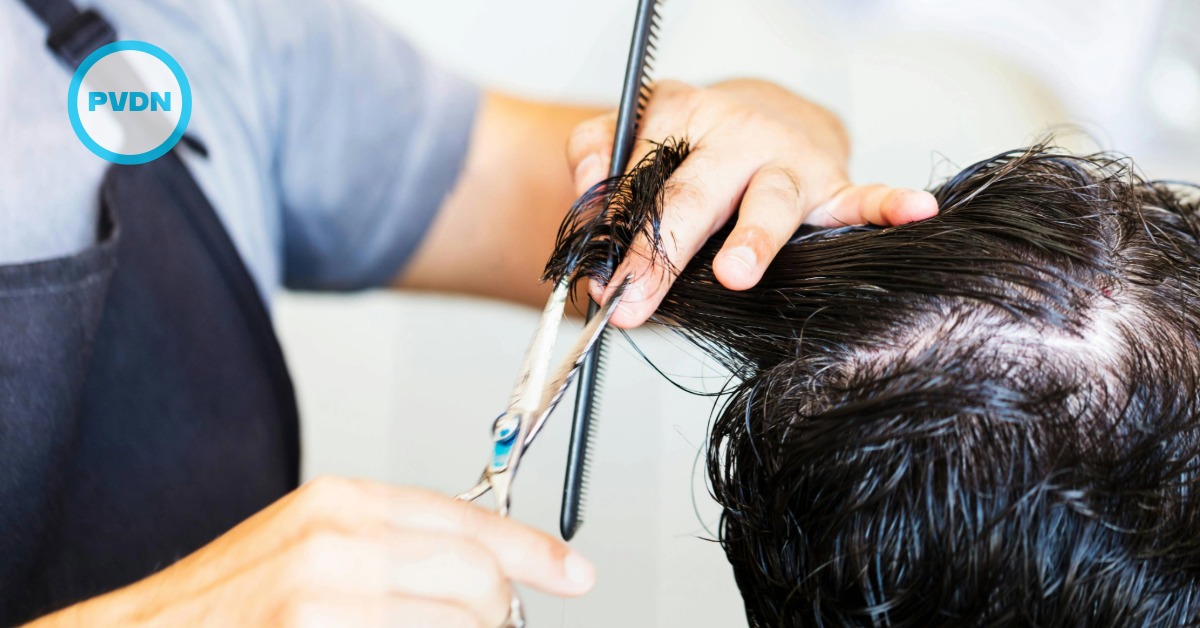
In the iconic canals of Xochimilco, an unlikely tool is taking on water pollution: human hair. Local salons and environmentalists have teamed up on a creative solution to clean these historic waterways, famous for their floating gardens and rare wildlife. Instead of ending up in the trash, hair clippings are being repurposed to absorb contaminants from water. It’s a low-cost approach that might just hold the key to rescuing a treasured ecosystem — and the community that depends on it.
On the southern edge of Mexico City, the canals of Xochimilco are famous for their colorful boats and floating gardens. Unfortunately, they have also become infamous for pollution. Its once-clear waters have turned murky. This pollution now threatens the unique wildlife and the traditional farms that depend on the canals.
A World Heritage Waterway in Peril
Xochimilco’s canals are the last vestiges of a vast lake system that sustained the Aztec capital. Today, they remain a vital green space and a tourist draw in Mexico City. Visitors glide through the waterways on flat-bottom boats known as trajineras. But beneath the festive scenery, the ecosystem is struggling. Untreated wastewater, agricultural chemicals, and invasive species have steadily degraded the water quality. The most famous resident of these waters is the axolotl – a rare salamander found nowhere else. Habitat loss and pollution have pushed this creature to the brink of extinction.
Local farmers who tend Xochimilco’s ancient “floating gardens” (chinampas) also feel the impact of the canal’s decline. “If it weren’t for the water, we’d be more productive,” says Agustín Galicia, a chinampa farmer who has seen water contamination stunt his crops. Even gasoline motors are now banned on the canals to prevent further harm. As a result, growers and boatmen must pole through waters often choked with algae and trash.
Cleaning the Canals with Hair
Against this backdrop, an unconventional cleanup effort is taking shape. The environmental nonprofit Matter of Trust is partnering with local residents to put an abundant waste product to good use: human hair. Salon owners across Mexico City are sweeping up hair clippings and donating them to the cause. Mattia Carenini, director of Matter of Trust, explains that human hair can soak up many pollutants from water. Carenini says hair’s natural “adhesion” allows it to trap all kinds of contaminants. It can absorb everything from oil and grease to fecal bacteria and heavy metals.
In Xochimilco, volunteers stuff these clippings into long, fine-mesh tubes and float them in the polluted canals. Over the course of a few weeks, the hair-filled booms bob in the water. They gradually absorb the oily film and other toxins clouding the canal. Once saturated, the fiber-filled nets are pulled out, along with all the contaminants they’ve collected.
Community Unites for Clean Water
Perhaps the most elegant part of this hair-raising solution comes after the cleanup. Instead of discarding the used hair booms as garbage, Matter of Trust gives them a second life on land. The soggy hair is dried out. Then it is either mixed into compost or laid around the base of crops as mulch. Surprisingly, those once-dirty clumps of hair offer big benefits to Xochimilco’s farmers. Lining crop beds with hair mats can reduce evaporation from the soil by around 70%. That means chinampa growers don’t have to irrigate as often. Hair is also rich in nitrogen and other nutrients. As it breaks down, it slowly releases these nutrients into the soil, improving fertility for years to come.
Local participation has been key to the project’s momentum. In 2025, Rebecca Serur – the owner of a Mexico City salon chain – rallied hairdressers to donate their discarded hair to the cause. Together, they collected over 100 kilograms of clippings for Xochimilco’s canals. “Instead of being someone who pollutes, we’re helping the planet,” she says proudly of the effort.
Residents and activists are uniting around this resourceful cleanup. They are proving that even the most unlikely tools can help restore and preserve natural heritage for future generations.