Mexico City, known for its progressive stance on LGBTQ+ rights, is moving to further solidify those protections. Lawmakers in the capital’s congress have introduced a sweeping new package of measures aimed at tackling hate speech, improving healthcare access, and ensuring workplace equality for LGBTQ+ people. The plan, unveiled during a session on Tuesday, draws from community-driven proposals and comes at a pivotal moment for LGBTQ+ rights in Mexico.
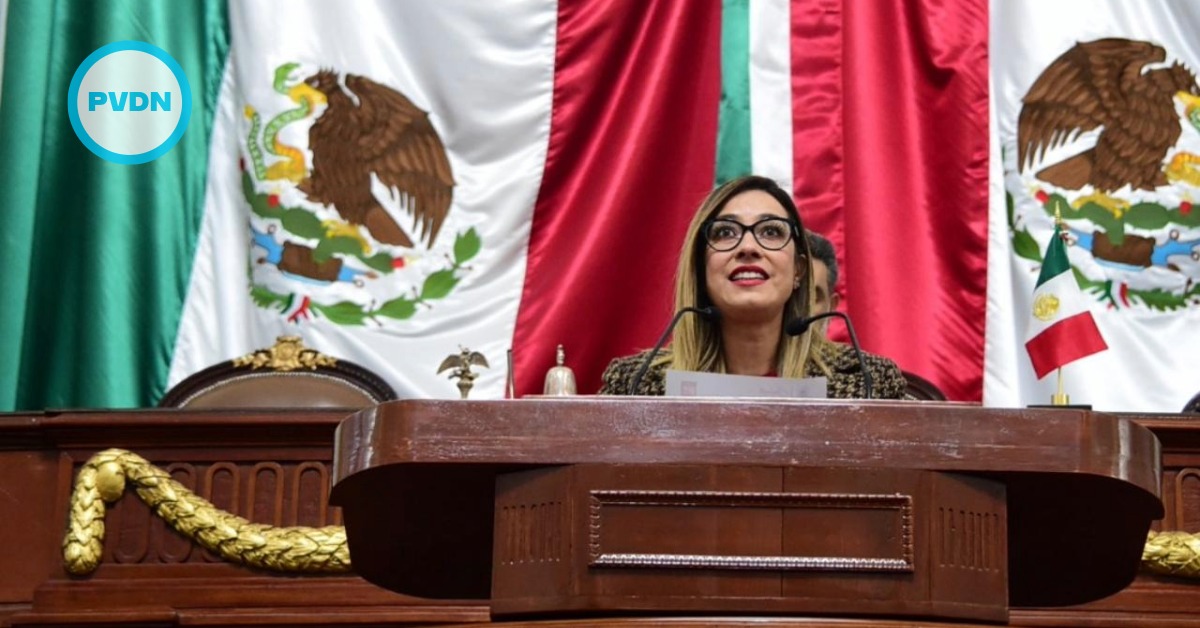
The legislative package consists of four bills and 17 related resolutions, inspired by the city’s 2025 “LGBTIQ+ Parliament” – a forum where dozens of LGBTQ+ citizens debated and shaped policy ideas last year. Deputy Jannete Guerrero Maya, President of the Congress’s Human Rights Commission, presented the measures to her fellow legislators. She emphasized that these proposals are rooted in lived experiences and longstanding demands. “Behind each initiative,” Guerrero Maya noted, “are stories of resistance, of pain, but also of dignity and hope.” In her address, she described the effort as an echo of the community’s historic struggle against systematic exclusion and a step toward tangible change.
Major Initiatives Target Hate Speech, Health, and Equality
Four significant legal reforms form the core of the package. One proposal would amend Mexico City’s Fiscal Code to incentivize inclusion and combat discrimination in businesses — effectively rewarding companies that uphold LGBTQ+ equality and penalizing those that don’t. Another would add provisions to the city’s Penal Code to explicitly outlaw hate speech based on sexual orientation or gender identity, making such rhetoric subject to criminal consequences. A third initiative seeks to revise the local Health Law by adding a chapter guaranteeing comprehensive, dignified, and discrimination-free medical care for LGBTQ+ individuals. The fourth measure reaches beyond the capital: it urges Mexico’s federal Congress to modify the national labor law to ensure equal workplace benefits for LGBTQ+ employees. If adopted federally, this could solidify rights like spousal benefits and family leave for same-sex couples and transgender workers across the country.
In addition to these bills, lawmakers put forward 17 non-binding proposals (known as “points of agreement”) calling on various authorities to address everyday challenges faced by the LGBTQ+ community. These calls to action range from combating homophobic and transphobic bullying in schools to launching public campaigns for HIV prevention. They also push for improving economic inclusion through job training and support for LGBTQ+ entrepreneurs. Other proposals urge mandatory diversity training for all public servants and better government data collection on the transgender population to inform policy. Legislators likewise seek to ensure adequate housing options and equal civil and inheritance rights for LGBTQ+ individuals, recognizing that legal equality on paper doesn’t always translate into practice. The package also highlights support for groups often overlooked. This includes older LGBTQ+ adults, indigenous community members, and people living with HIV, with tailored measures intended to protect their rights and well-being.
Throughout the session, advocates of the legislative package stressed that these moves are part of a broader commitment to human rights in the capital. Guerrero Maya underscored that the LGBTIQ+ Parliament was not just a symbolic exercise but a blueprint for action. The voices from that forum — activists, youth, workers, and families — directly shaped the initiatives now on the table. “Equality is built every day,” she reminded the assembly, “and it’s built by legislating with courage, listening with humility, and acting with conviction.” Her message drew nods from many colleagues in the chamber, reflecting a shared sentiment that progress for LGBTQ+ rights must be continuous and deliberate. Supporters hope that Mexico City’s example can spur further changes at the national and local levels, and that these measures will improve daily life for the city’s LGBTQ+ residents almost immediately if they pass.
LGBTQ+ Rights in Mexico: Progress Amid Challenges
Mexico City’s push comes amid a complex broader climate for LGBTQ+ rights in Mexico. Over the past decade, the country has achieved major milestones — most notably, marriage equality is now recognized in all 32 states, and bans on harmful “conversion therapy” practices have been enacted in the capital and several other jurisdictions. Mexico City itself has often led the way: it was the first in the nation to legalize same-sex marriage and adoption, and it criminalized anti-LGBTQ+ discrimination and conversion therapies at the local level. The capital is home to one of the country’s largest LGBTQ+ populations (over 300,000 people, according to official estimates) and has long been seen as a relative oasis for LGBTQ+ rights. Still, activists point out that legal victories haven’t erased deep-rooted challenges on the ground.
One pressing concern is the persistent violence and discrimination that LGBTQ+ individuals — especially transgender women — continue to face. A nationwide civil observatory documented at least 97 hate-motivated attacks against LGBTQ+ people in 2025, including numerous murders of trans women. Nearly eight such crimes were recorded each month, yet prosecutions remain rare. Advocates say this impunity perpetuates fear and injustice, underscoring the need for stronger enforcement of anti-hate laws and more robust protections. They also note that cultural acceptance is lagging behind legal reforms. Far-right and ultra-conservative voices in Mexico have grown louder in recent years, with some public figures and politicians openly opposing LGBTQ+ inclusion. Misinformation and stigma — from social media outrage about transgender women using women-only public spaces, to politicians linking homosexuality with moral decay — have occasionally seized national attention. This backlash has made the LGBTQ+ community and human rights groups increasingly vigilant, even as progressive policies advance.
Politically, the landscape is at a crossroads. The ruling Morena party and its allies (including Guerrero Maya’s Workers’ Party) hold power in many states and at the federal level, creating opportunities to push through pro-equality legislation. Yet the first year of Mexico’s new administration saw no significant new LGBTQ+ initiatives at the national level, a fact noted with disappointment by some activists. There are signs of renewed momentum, however. Earlier this month, a federal lawmaker, Jaime López Vela — who heads the Diversity Committee in the Chamber of Deputies — announced plans to introduce a “General Law for Trans Persons” and to seek a constitutional amendment expressly protecting LGBTQ+ rights. In the same breath, he is advocating the repeal of a federal penal code article that has long criminalized people living with HIV under the charge of “danger of contagion.” These efforts, aimed at shifting the focus from punitive measures to affirmative rights, signal that change is percolating beyond the capital. Mexico’s Supreme Court has also played a crucial role: it recently reaffirmed that transgender youth have the right to update their official documents to reflect their gender, warning that states blocking this are engaging in unlawful discrimination. Such judicial affirmations provide strong legal backing for the local legislation Mexico City is now pursuing.
For many LGBTQ+ Mexicans and allies, the developments in Mexico City’s legislature offer a welcome glimmer of hope. They represent not only concrete solutions to everyday problems — like safer schools or more inclusive hospitals — but also a reaffirmation that government can hear and respond to the community’s voice. At the same time, the road ahead will depend on implementation. Passing laws is one challenge; enforcing them and shifting social attitudes is another. The coming months will test how effectively the city can translate progressive legislation into real-world improvements. Yet, observers remain cautiously optimistic. In a country where progress often comes in hard-fought increments, Mexico City’s bold legislative package is seen as a meaningful leap forward. It reinforces a message that has echoed from marches and meetings to the halls of Congress: that every step toward equality, no matter how long it takes, makes a difference in the lives of real people.