A La Jornada reporter says she was surrounded, harassed, and forced to delete video while covering an early-morning eviction in Mexico City’s Historic Center. The incident unfolded as families were relocated from a long-disputed building on República de Cuba. Authorities insist procedures stem from court orders, yet residents and advocates question due process, and press groups are again demanding guarantees for safe coverage. What happened on that sidewalk—who did what, and what comes next—shows how fragile reporting can be when police lines meet private security and civil disputes.
Reporter attacked during Mexico City eviction
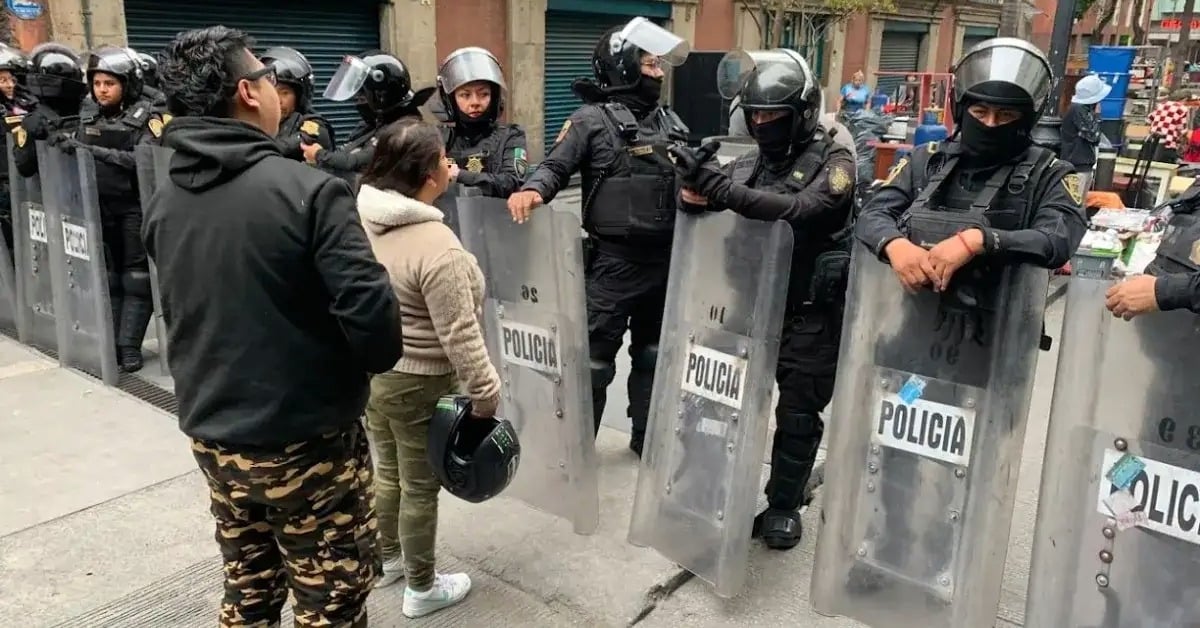
The morning of Wednesday, August 27, 2025, a La Jornada reporter covering an eviction on República de Cuba 11 in the Historic Center was assaulted while working. According to the outlet’s account, Mara Ximena Pérez was surrounded by several civilians and a uniformed officer, identified as Brenda Hernández, who pressured her to erase video of the operation. The reporter complied to avoid escalation and kept a few still images taken with residents’ consent.
Neighbors say officers from Mexico City’s Secretariat of Citizen Security arrived around 6:30 a.m. with a large number of civilians to clear out 19 apartments and two commercial spaces. Families described being taken by surprise and claimed they were shown no paperwork at the outset, while their belongings piled up on the pavement. An attorney accompanying residents later referenced a “launch order for rebeldía,” and said an amparo could be sought.
Eviction that spilled into the streets
By early afternoon, the removal had become city news in its own right. Publimetro reported the site as República de Cuba 11, near Eje Central, noting residents’ claims of no prior notice and a deployment of more than 100 police. Other outlets confirmed the same address and described the multi-agency presence.
As anger mounted, displaced families blocked Eje Central and burned discarded items, drawing wider attention and traffic alerts. Coverage from local dailies and broadcasters captured the protest that followed the morning operation.
A pattern residents recognize
Animal Político documented that at least four buildings in Cuauhtémoc have been cleared in the past two months, sometimes amid accusations of irregular tactics and the participation of masked civilians. In the República de Cuba case, residents alleged some of those civilians admitted being paid to empty the property. The site’s reporting adds a broader frame to what unfolded on Wednesday.
City officials, for their part, have emphasized that recent clearances are court-ordered and that police are present to protect court officers. That framing resurfaced again this week as authorities addressed questions about due process and the lines between civil disputes and public order deployments.
Why the press is at risk in routine operations
What happened to Pérez is not an isolated debate about one sidewalk; it is a broader issue that affects many. Mexico’s press-freedom groups have been warning that the environment for reporters—especially during protests, evictions, and public-order actions—has eroded. ARTICLE 19 reported this week a sustained surge in judicial harassment against journalists and newsrooms in 2025, calling it a modern form of censorship that chills coverage—even when violence isn’t physical. The organization urged authorities to halt practices that intimidate or obstruct reporters.
Separately, a coalition of more than 1,100 journalists recently demanded that federal, state, and local authorities cease aggression and ensure conditions for reporting, underscoring how frequent confrontations have become on the ground.
What guarantees look like in practice
Guarantees are not slogans; they are procedures that ensure quality. During civil enforcement, police should shield journalists from intimidation, not add to it. When civilians participate in moving property, authorities must keep them distinct from official teams and bar them from interfering with the press. Clear identification, documented court orders, designated media areas with line-of-sight, and fast on-scene escalation channels all reduce risk and allegations of abuse.
In this case, the allegation that a uniformed officer helped compel the deletion of recorded material cuts to the heart of press freedom. The city should identify the officer in question, review footage and body-cam logs, and determine whether disciplinary action is warranted. Residents and journalists alike deserve a process that is transparent, lawful, and safe.