Guanajuato finally writes equal marriage and an ECOSIG ban into law, offering long-denied dignity and safer futures for LGBTQ+ residents.
The vote that had seemed impossible for years finally came on a Thursday afternoon in Guanajuato’s Congress. After hours of tense debate, lawmakers backed reforms to recognize Guanajuato equal marriage in the state’s Civil Code and to outlaw ECOSIG, the so-called “conversion therapies” that target sexual orientation and gender identity.
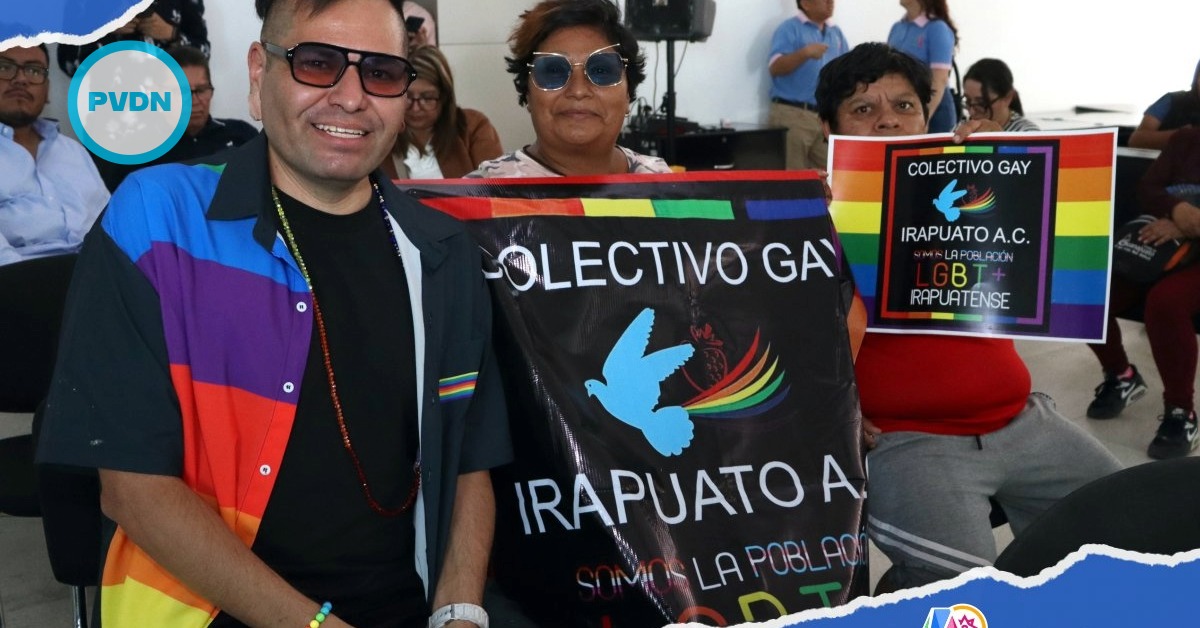
From Irapuato, activists and families followed the session on livestreams and phones, sending updates from the public galleries in Guanajuato city. When the board lit up with 25 votes in favor and 9 against, those watching described hugs, tears and rainbow flags in the chamber, while conservative groups shouted from the stands. For many in the state’s LGBTQ+ communities, the moment felt less like a surprise and more like a long-overdue correction.
What the Guanajuato equal marriage reforms actually do
The marriage reform does not open an entirely new door so much as it locks it in place. Same-sex couples have been able to marry in Guanajuato since late 2021, when a state directive instructed civil registry offices to register marriages regardless of gender. That change removed the need for individual court orders, but it depended on a government decision that could have been rolled back with a change of administration.
Now the Civil Code itself is rewritten. The definition of marriage is updated so that it is the free union of two people, replacing language that named “man and woman” as spouses. The reform spells out that the purpose of marriage is a shared life built on respect, equality and mutual support, without limiting that project to heterosexual couples. With this vote, the right to marry is anchored in law instead of resting on an administrative instruction.
Lawmakers describe the move as an effort to line state law up with national court rulings and international human rights standards. Mexico’s Supreme Court has spent the last decade striking down bans on same-sex marriage across the country, forcing states to adjust. By writing equal marriage into its Civil Code, Guanajuato steps away from the short list of holdout states and lowers the risk that future officials can quietly restrict access again at the registry counter.
In the same session, Congress approved changes to the Penal Code that target ECOSIG, the “efforts to correct sexual orientation or gender identity.” Under the new rules, anyone who forces a minor or an adult without full legal capacity into these practices faces two to six years in prison and a financial penalty. When the person responsible is a parent or guardian, judges can order fines and mandatory psychological treatment.
The law defines ECOSIG as any practice that uses physical, moral or emotional pressure, or cruel or degrading treatment, with the aim of suppressing or changing someone’s orientation or gender identity. That definition covers religious retreats, clinics, and informal “therapy” sessions alike when the goal is to “straighten” or “fix” a person. The crime will be prosecuted even without a formal complaint from the victim, recognizing that many survivors fear speaking out.
For activists in Irapuato, those details matter. Local groups have spent years documenting discrimination, including at least three reported cases of transfobia in the city this year alone, and pushing for sensitivity training in bars, restaurants and public offices. They see the new penalties as a tool that can move complaints out of the realm of “misunderstandings” and into the language of crimes.
At the same time, the reforms land in a state that is only starting to build official structures for LGBTQ+ inclusion. In Irapuato, the municipal government recently created a Unit for Sexual and Gender Diversity and named activist Evera Chávez Cedillo to lead it. Chávez has worked with trans communities, labor collectives and local support groups for years. When lawmakers approved the reforms, she said thousands of people across Guanajuato received the decision as a “message of hope” after a long stretch of stalled debates and broken promises.
That hope is not abstract. Couples who have delayed wedding plans out of fear that a change in government could close the door now have stronger guarantees. Trans and queer young people who have been pushed into “corrective” counseling or prayer sessions can point to a law that names those experiences as violence, not treatment. Families who accept their LGBTQ+ relatives can lean on those same rules when talking with neighbors, schools and churches.
After the vote, the work on safety continues
While the reforms mark a turning point inside Guanajuato, they also sit inside a broader national shift. At the federal level, Mexico approved a nationwide ban on conversion practices in 2024, with penalties for those who promote or finance them. Many states had already moved to restrict ECOSIG; Guanajuato’s change brings its local code into that emerging national standard and gives prosecutors clearer tools when a case surfaces inside the state.
The marriage reform follows a similar pattern. One by one, Mexican states have moved from court-ordered exceptions to explicit recognition of same-sex marriage in law. Guanajuato is late to that process, but the effect is still significant. Couples no longer need to rely on the memory of a directive, or on sympathetic officials who know the latest rules. The right now appears in black and white in the Civil Code.
Even on the day of celebration, however, the limits of the shift were clear. In the same session, lawmakers once again voted down an initiative to decriminalize abortion in the state, rejecting it by a narrow margin after years of debate. For many feminist and LGBTQ+ groups, that split decision underscores that Congress is willing to move on some rights but still resists others linked to bodily autonomy.
On the ground, enforcement will be the real test. Survivors of ECOSIG often report that abuse happens in private homes, religious settings or unregulated clinics. Some are minors taken by their own families. For them, a new article in the Penal Code will only matter if police, prosecutors, health workers and school officials understand the law and are willing to act when a complaint appears.
Activists in Irapuato and across Guanajuato say the next stage should focus on training and access. That includes clear protocols for reporting ECOSIG, awareness campaigns in schools and communities, and support services for people who leave abusive “treatment” programs. It also means ensuring that civil registry staff across the state apply the new marriage rules without delay or discrimination, whether the couple lives in the capital or in a small rural municipality.
For now, though, the mood in many LGBTQ+ spaces is one of guarded celebration. People who have spent years lobbying lawmakers, marching in local Pride events and organizing support networks are allowing themselves a rare moment to breathe. The reforms do not erase past harm or current risks, but they close a painful chapter in which the law itself wrote queer and trans people out of family life and left them exposed to abuse dressed up as therapy.
In a state long seen as a conservative stronghold, that change carries weight. The message from the floor of Congress reaches far beyond the capital’s historic center, into neighborhoods and households that have never set foot in the gallery. For couples planning weddings, for young people questioning who they are, and for parents trying to protect their children, the new laws say something simple and long delayed: you belong here, and the state is finally starting to act like it.