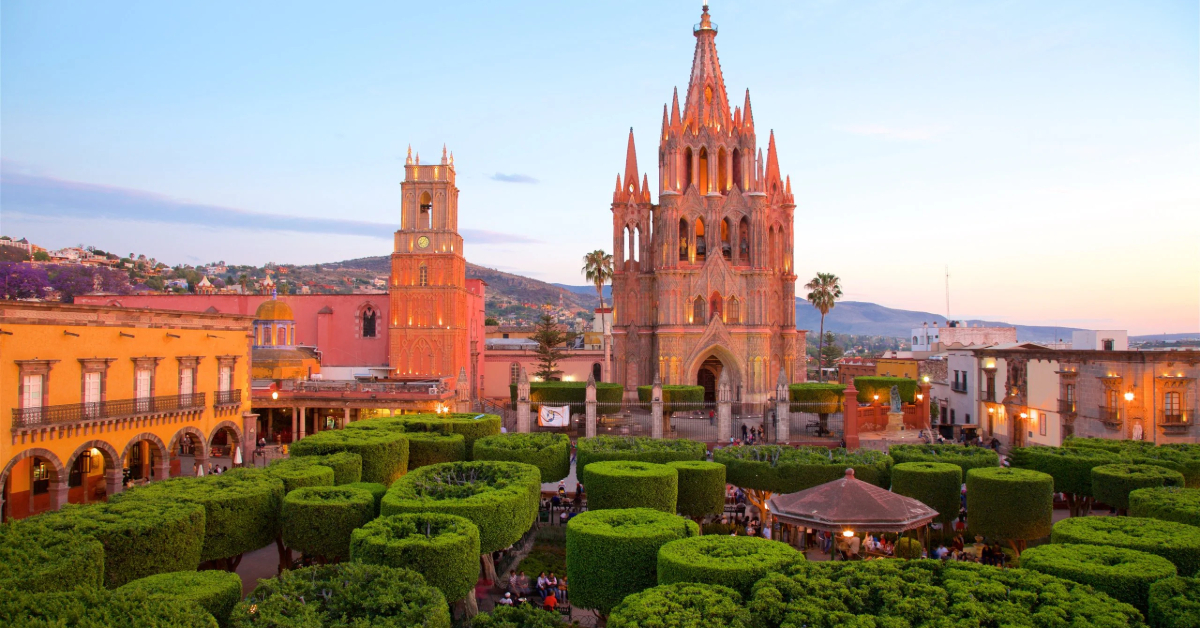
Discover 10 fun facts about San Miguel de Allende—from its 16th‑century origins and UNESCO status to hidden hot springs and donkey taxis—to plan an unforgettable trip.
San Miguel de Allende began as a small mining outpost in 1542, founded by Spanish settlers drawn to silver deposits in the nearby hills. Over the centuries, it grew into a bustling colonial town with a distinctive grid layout and ornate stone facades. In the mid‑20th century, artists and writers discovered its mellow pace and vivid colors, planting the seeds for a vibrant creative community. By 2008, UNESCO recognized San Miguel for its exceptional Baroque and neoclassical architecture—launching a tourism boom that transformed winding alleys into gallery‑lined corridors. Today, travelers come for the history and stay for the culture, cuisine, and unexpected delights around every corner.
10 Fun Facts About San Miguel de Allende Before You Go
1. It Honors an Archangel
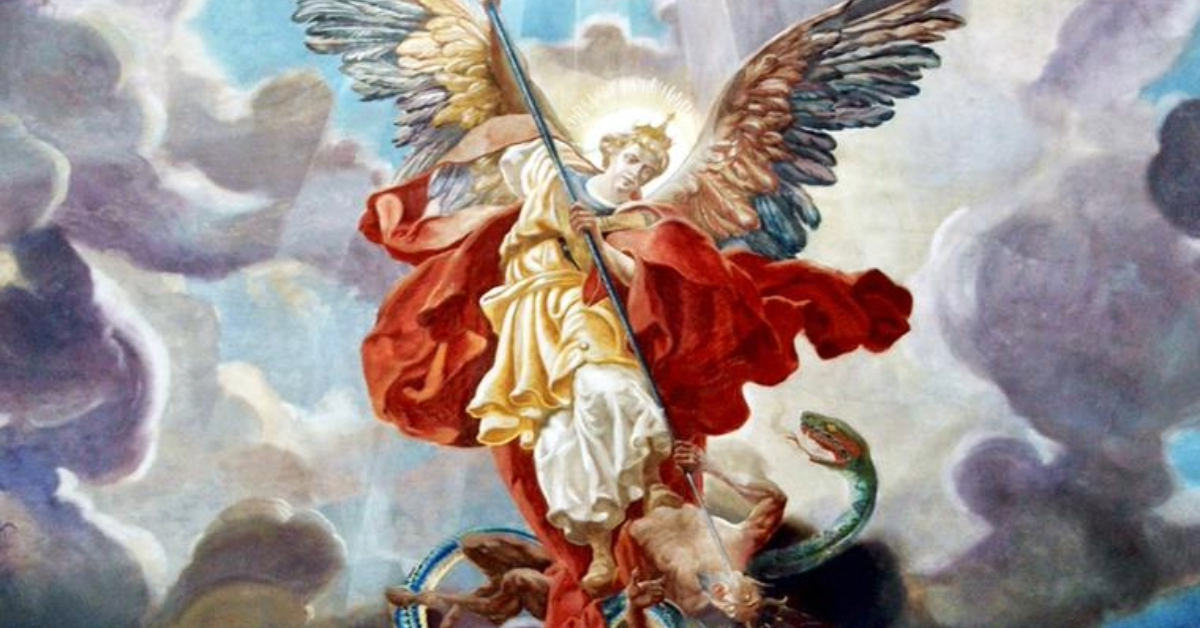
The town’s name pays tribute to Saint Michael the Archangel. Settlers believed invoking his protection would guard their new home. You’ll spot his likeness in murals, church carvings, and on shop signs throughout the historic center.
aint Michael the Archangel is one of the most celebrated figures in Christian—and indeed wider Abrahamic—tradition. His name in Hebrew, מִיכָאֵל (Mîḵā’ēl), translates as “Who is like God?”, a rhetorical question underscoring his role as champion of divine justice and protector against evil.
Biblical and Apocryphal Mentions
- Old Testament (Daniel): Michael appears as a “great prince” standing guard over Israel (Daniel 10:13, 21; 12:1). He’s depicted as a heavenly ally who aids God’s people in times of trial.
- New Testament (Jude & Revelation): In Jude 1:9, Michael disputes with the devil over Moses’ body—a rare example of polite heavenly debate. In Revelation 12:7–9, he leads the angelic armies in war against the dragon (Satan), casting him out of heaven.
Role in Christian Tradition
Across centuries, Michael has come to symbolize:
- Defender of the Faith: His victory over the dragon represents triumph over sin, temptation, and falsehood.
- Heavenly Warrior: He’s often invoked for protection—spiritually and, by extension, physically—for soldiers, police, and first responders.
- Psychopomp: In medieval lore, Michael guides souls to judgment, sometimes shown weighing souls on scales.
Feast Day and Devotion
- Michaelmas: Celebrated on September 29 in the Western Church (alongside Archangels Gabriel and Raphael), it once marked the end of the harvest season in England and still features in many liturgies.
- Chaplets and Prayers: Devotional prayers like the “Prayer to Saint Michael” ask for his intercession against the powers of darkness.
Iconography and Art
Michael is most often portrayed as a winged warrior:
- Armor and Sword: Ready for battle, sometimes trampling a dragon or demon underfoot.
- Scales of Justice: Reflecting his role in the Last Judgment, weighing souls.
- Banner or Spear: Emblematic of faith and victory.
Patronages and Popularity
He’s the patron saint of:
- Soldiers and police officers
- Paratroopers and grocers (owing to medieval guilds)
- The sick and the dying (as guide of souls)
Many towns and churches bear his name—San Miguel in the Spanish world—testament to both his protective reputation and the deep cultural resonance of his story.
Whether invoked in prayer for protection, celebrated in art and music, or remembered in place names like San Miguel de Allende, Saint Michael remains a powerful symbol of courage, justice, and faith.
2. It’s a UNESCO World Heritage Site
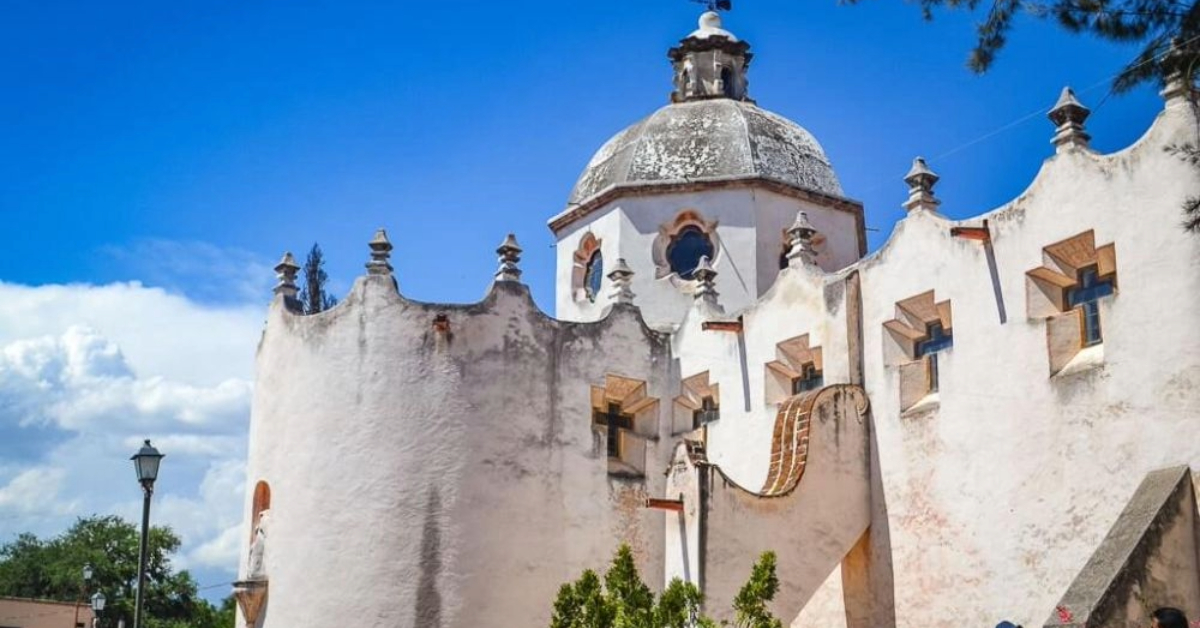
UNESCO listed San Miguel in 2008 for its well‑preserved urban plan and blend of Baroque, Renaissance, and Neoclassical styles. Each plaza and courtyard reflects nearly 500 years of architectural evolution.
A UNESCO World Heritage Site is a landmark or area selected by the United Nations Educational, Scientific and Cultural Organization (UNESCO) as having “Outstanding Universal Value” to humanity—meaning its cultural or natural significance transcends national boundaries and is worth protecting for future generations. To be inscribed, a place must meet at least one of ten rigorous criteria—ranging from representing a masterpiece of human creative genius to bearing exceptional testimony to a cultural tradition—while also demonstrating integrity, authenticity, and adequate legal protection and management.
San Miguel de Allende’s Inscription (2008)
In 2008, at its 32nd session, the World Heritage Committee inscribed the “Protective town of San Miguel de Allende and the Sanctuary of Jesús Nazareno de Atotonilco” as site number 1274 under cultural criteria (ii) and (iv).
- Criterion (ii): The site exemplifies significant interchange of human values—in architecture, town‑planning, and arts—between Europe and the New World during the colonial era.
- Criterion (iv): It stands as an outstanding example of a planned Baroque town and accompanying religious complex illustrating a key stage in human history.
Site Components and Boundaries
The UNESCO designation covers two distinct zones:
- Historic Town of San Miguel – A 64‑block core of colonial streets, plazas, residences, and civic buildings (43.26 ha), surrounded by a 40.05 ha buffer zone.
- Sanctuary of Jesús Nazareno de Atotonilco – An 18th‑century Baroque church complex 14 km from town (0.75 ha), with a 4.4 ha buffer to preserve its setting and pilgrimage pathways.
Benefits and Responsibilities
- International Recognition & Support: Inscription raises global awareness, often boosting sustainable tourism and granting access to UNESCO technical assistance and conservation funding.
- Conservation Obligations: Mexican authorities—and local stakeholders—must maintain the site’s Outstanding Universal Value through strict building codes, urban‑planning controls, and ongoing restoration projects. Periodic reports to the World Heritage Centre ensure integrity and authenticity are upheld.
By carrying the UNESCO badge, San Miguel de Allende not only enjoys elevated prestige and visitor interest but also commits to safeguarding its architectural heritage, cultural landscape, and living traditions for generations to come.
3. It Sparked an Artist Colony
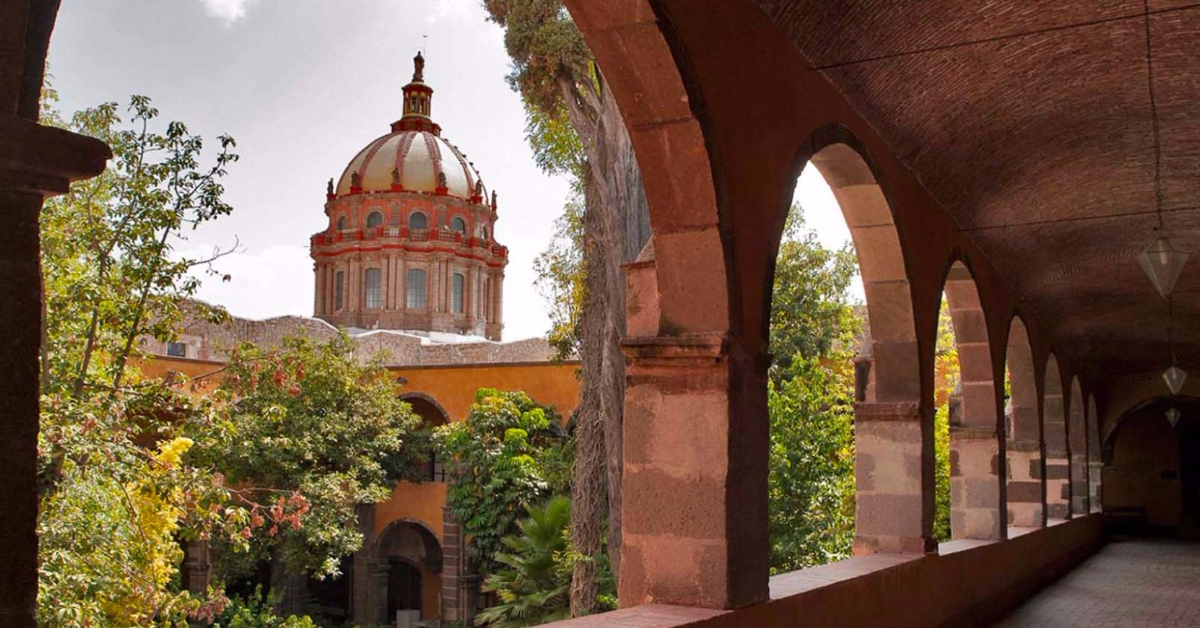
In the 1940s, American and Mexican artists founded the Instituto Allende, drawing creatives from around the world. Galleries cluster in Zona Centro, where you can meet painters, sculptors, and ceramicists at work.
San Miguel’s reputation as an artists’ haven really took off in the 1940s. In 1938, Peruvian painter Felipe Cossío del Pomar founded the Escuela Universitaria de Bellas Artes, drawing students to San Miguel’s tranquil streets and colonial courtyards. After World War II, returning G.I. Bill benefits funded a wave of American veterans eager to study art in Mexico’s low‑cost, inspiring environment. Among them was American painter Stirling Dickinson, appointed director of Cossío del Pomar’s school before the war and instrumental in its post‑war revival. When the original art school closed in 1949, Dickinson teamed up with Italian‑Mexican patron Alfredo Campanella to negotiate a new home—the former 18th‑century de la Canal family estate just southwest of the Centro. Officially established in 1950 as the Instituto Allende, it secured accreditation through the Universidad de Guanajuato and by the 1950s–’60s was attracting hundreds of American and Canadian students each year.
San Miguel’s Art Scene Today: Galleries, Hubs & Community
Fast‑forward to 2025, and San Miguel boasts over 130 arts and handicrafts galleries scattered across Zona Centro, with a thriving cluster at Fábrica La Aurora—a former textile mill converted into studios, galleries, and design shops. On the first Saturday of each month, Fábrica hosts its popular Art Walk, where visitors sip wine, sample local cheese, and explore open studios showcasing painters, sculptors, and ceramicists at work. Beyond La Aurora, streets like Ancha de San Antonio and Calle Umarán are lined with independent galleries featuring everything from folk‑inspired textiles to avant‑garde installations. The Galería Pérgola—opened in 1951 as the Institute’s original exhibition space—remains a cornerstone, presenting both emerging Mexican talent and established masters. Complementing permanent venues, annual events like the SMART Art & Design Festival bring multimedia exhibits and culinary pairings to town each May, while Instituto Allende itself and international residencies (e.g., SACI) offer workshops year‑round—ensuring San Miguel’s creative pulse stays as lively and welcoming as ever.
4. It Lights Up Every September
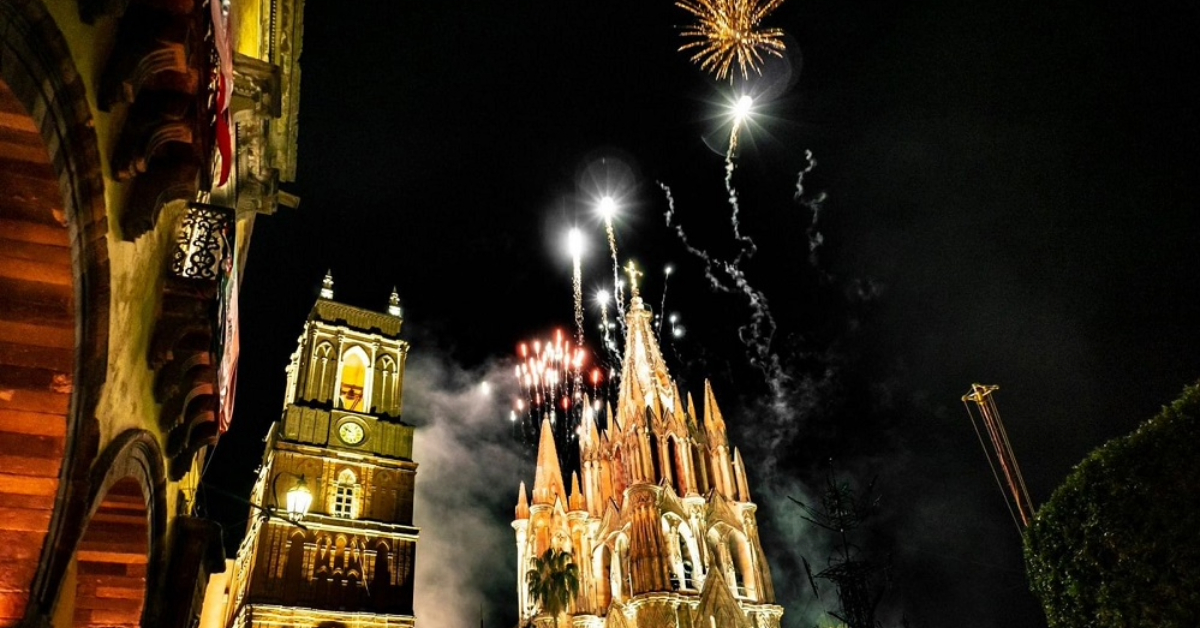
During the Festival of Light, or known by locals, La Alborada, thousands of candles and lanterns adorn trees, balconies, and bridges. Live music and street food fill the air, creating an otherworldly glow that lasts all weekend.
The Festival of Light traces its roots to La Alborada, the all‑night celebration of the town’s patron, Saint Michael the Archangel. In colonial times, neighborhoods would compete to see which could mount the grandest display of fireworks, torches, and candles in the main plaza. That tradition faded by the 19th century but was revived in 1924 by workers at the La Aurora textile mill, who brought back the fire‑and‑light vigil as an offering to Saint Michael—and created many of the giant papier‑mâché stars (mojigangas) still used today.
Over time, this devotional dawn ceremony—kicking off at 3 a.m. with an hour of fireworks—stretched into a full three‑day festival, transforming San Miguel’s streets into a living cathedral of light each September.
The Modern Festival of Light
Recognizing the power of those flickering flames, in the 2000s the municipal cultural council formally branded the weekend as the Festival of Light. They built on La Alborada’s roots by:
- Lighting the City by Candlepower: Electric streetlights are dimmed in key zones so that thousands of beeswax candles and handcrafted paper lanterns set plazas, balconies, and even pedestrian bridges aglow.
- Artisan Lantern Installations: Local schools and studios create oversized lantern sculptures—imagine glowing origami birds and floral chandeliers suspended above narrow alleys.
- “Zero‑Waste” Candle Policy: In recent years, the festival has mandated reusable candle holders and beeswax tapers to minimize wax runoff and litter.
What to Expect on Festival Weekend
- Music on Every Corner: From pre‑dawn mariachi in Jardín Principal to evening jazz and world‑beat sets under lantern‑lit arches, live performances run from dawn till late.
- Streetside Flavors: Food stalls offer regional favorites—enchiladas mineras, gorditas, freshly pressed sugarcane juice, and mezcal tastings—perfect for nibbling as you wander the candlelit pathways.
- Interactive Workshops: In the days leading up to the festival, community centers host lantern‑making and candle‑dipping classes so you can carry your own light through the streets.
- Photography Heaven: The soft, warm glow transforms San Miguel’s pastel facades into a dreamscape—ideal for long‑exposure shots of paper lanterns drifting overhead.
Tips for Visitors
- Arrive Early: By 6 p.m. on Friday, many prime candle displays—especially around Plaza Allende—are already lit.
- Stay Central: Book lodging in Centro Histórico or along Ancha de San Antonio to step out directly into the glow.
- Dress in Layers: Nights at 1,900 m can be brisk; a light jacket lets you stay out as long as you like.
- Respect the Candles: Only use designated lantern‑making areas, and avoid open flames near balconies or trees.
Experiencing San Miguel’s Festival of Light is more than just a pretty show—it’s a living link to the town’s spiritual heritage and artistic soul. Pack your sense of wonder (and a camera!), and prepare for three magical nights when the city truly lives up to its nickname, the “Land of Light.”
5. The Parroquia’s Pink Towers
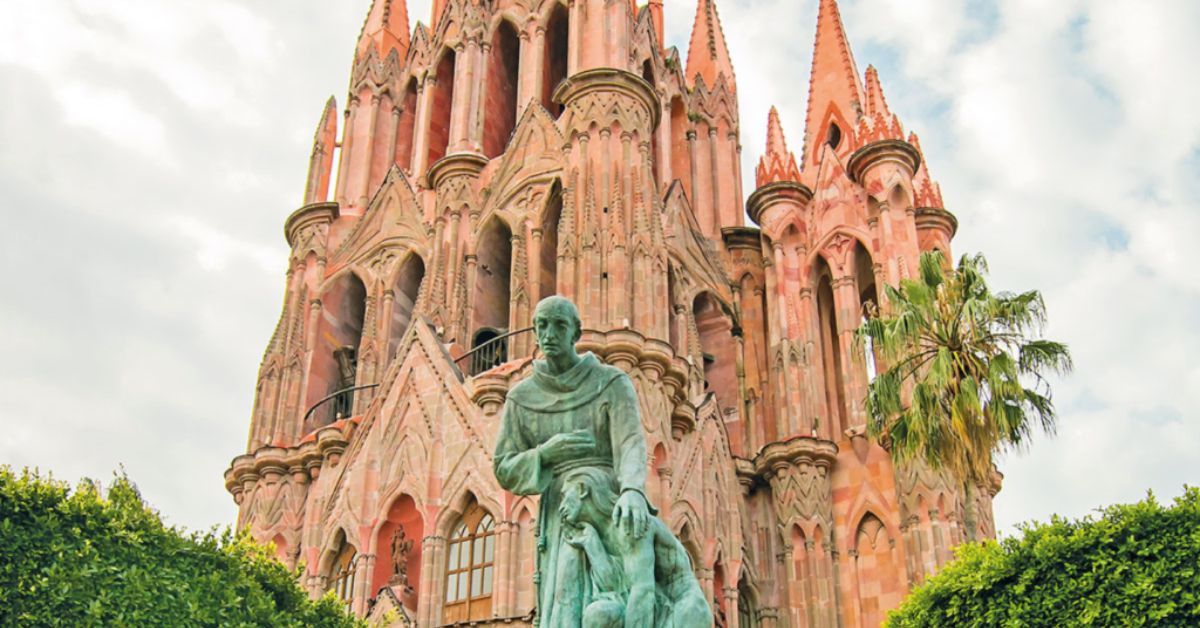
Designed by self‑taught architect Zeferino Gutiérrez in the 1800s, the Parroquia de San Miguel Arcángel stands out with its neo‑Gothic spires. The pink limestone façade seems to change hue at dawn and dusk.
The current pink‑stone “Neo‑Gothic” façade of La Parroquia masks a much older origin—and a singular story of local creativity and devotion:
A Colonial Core Reimagined
The site dates to the late 17th century, when a modest parish church—often attributed to architect Marcos Antonio Sobrarias—served the growing mining town of San Miguel El Grande. By 1683 the main nave was complete, but the parish remained relatively plain and in need of expansion. In 1709 a larger Baroque church rose on the same footprint, with horizontal lines and a traditional Mexican façade typical of its era. It wasn’t until the 1880s that San Miguel’s signature landmark truly took shape.
Zeferino Gutiérrez: The Self‑Taught Visionary
Between 1880 and 1890, Zeferino Gutiérrez—a local, self‑taught stonecutter and bricklayer—single‑handedly transformed the façade into an otherworldly fantasia. Having never seen a Gothic cathedral in person, Gutiérrez based his design on postcards and lithographs of European churches (notably Cologne’s cathedral), carefully guarding his reference images in his workshop. He sketched his ideas in the sand before carving, earning a reputation as both master mason and imaginative architect.
Pink Cantera from Palo Huérfano
The dramatic hue comes from local pink cantera stone quarried on the slopes of the nearby, now‑dormant Palo Huérfano volcano. This volcanic sandstone not only lent itself to detailed carving but also interacts with sunlight—glowing warmly at dawn, deepening to rose at sunset—so that the church seems to breathe with the sky.
An Inventive Neo‑Gothic Expression
While Gutiérrez’s spires feature classic Gothic elements—pointed arches, finials, crockets, and an ornate rose window—his interpretation is far from a faithful replica. Instead, it fuses local artistry and Baroque flourish into an imaginative, almost surreal composition that stands unique in Mexico.
Reworking the Old to Forge the New
To accommodate the soaring towers, Gutiérrez demolished the existing 17th‑century bell towers. He then refashioned the façade, atrium, clock, and interior altars, and integrated neoclassical touches within the nave. Inside, original Baroque altarpieces and canvases—some attributed to Juan Rodríguez Juárez—remain, creating a dialogue between the old and the new.
A Living Symbol and Photographic Icon
Today, La Parroquia’s twin pink spires dominate San Miguel’s skyline. Visible from most vantage points in town, they serve as both spiritual beacon and backdrop for countless photos—making it one of Mexico’s most‑photographed churches.
What makes the Parroquia truly special isn’t just its unexpected color or Gothic detailing, but the story it tells: of a local craftsman’s bold creativity, community devotion to Saint Michael, and the seamless blending of European inspiration with Mexican tradition. Stand before it at sunrise or dusk, and you’ll witness the very interplay of light, shadow, and stone that has captivated visitors—and fueled its legend—since the 19th century.
6. You Can Soak in Hot Springs
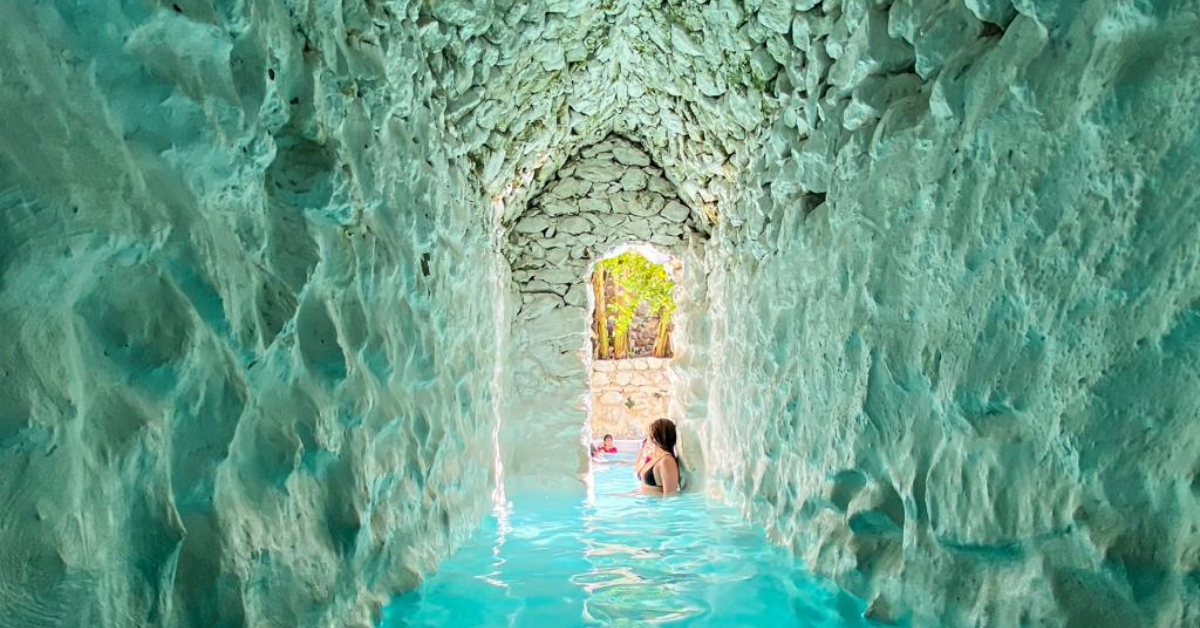
Just a short drive away, La Gruta and Escondido Place offer thermal pools fed by underground springs. The mineral‑rich water has soothed visitors since pre‑Hispanic times.
Just a short drive from town, the La Gruta and Escondido Place balnearios sit atop a network of fractures in the Taxco–San Miguel de Allende fault system, which heats groundwater to an average of 38–40 °C (100–104 °F) before it bubbles to the surface. Pre‑Hispanic peoples—Otomi and later Aztec travelers—made pilgrimages here to bathe in the mineral‑rich waters for relief from aches and skin ailments; colonial-era documents also record villagers gathering at the springs for ritual purification and medicinal cures.
La Gruta Spa boasts multiple thermal pools set among lush gardens and carved stone walls.
- Location & Access: About a 20‑minute drive north of Centro Histórico, reachable by car, taxi (~300 MXN each way), or hourly bus (≈10 MXN).
- Pools & Features: A shallow acclimation pool; a hotter “deep” pool surrounded by tropical flora; the signature tunnel and steamy cave; plus a cooler kids’ pool—each fed continuously from the spring source.
- Amenities & Hours: Open Wednesday–Sunday, 7 AM–5 PM; admission 250 MXN (children under 3 free); lockers (50 MXN deposit), changing rooms, showers, free Wi‑Fi, on‑site restaurant, and professional massages available at the Adelo spa.
Escondido Place sits at the foot of the Santuario de Atotonilco, operating every day 8 AM–5 PM (entrance 250 MXN for all visitors over 100 cm tall) Escondido Place. Here you’ll find both indoor and open‑air thermal pools plus family‑friendly wading areas, all set within manicured gardens and natural rock formations. According to Journey Mexico, Escondido Place features five separate thermal pools and three covered springs designed for harmony with the environment and maximum relaxation.
Whether you’re seeking therapeutic warmth, a unique cave‑pool adventure, or simply a tranquil day amid nature, these two balnearios carry on a healing tradition that stretches back centuries—and are a must‑experience on any San Miguel itinerary.
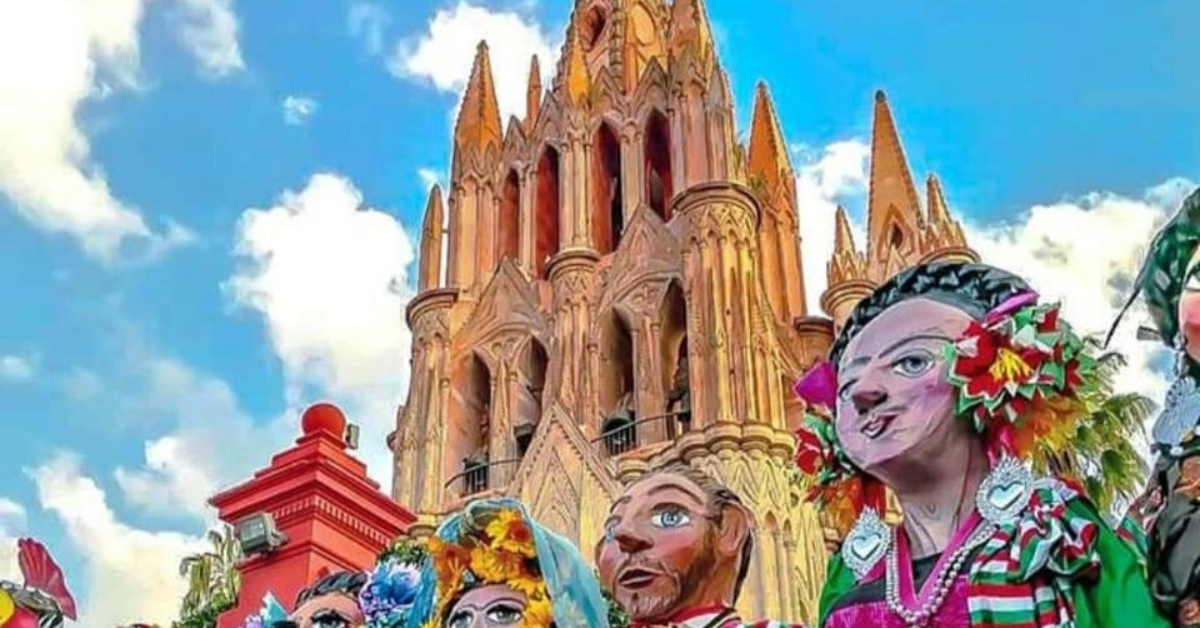
7. Callejoneadas: Festive Moonlit Processions
Rather than rides on burros, San Miguel comes alive at night with callejoneadas—lively parades winding through the town’s narrow, cobblestone alleys. Led by live musicians (mariachis or brass bands), giant papier‑mâché “mojigangas,” and costumed revelers, these midnight processions invite anyone to join in song, dance, and even the occasional sip of mezcal as you stroll under lantern‑lit archways.
A Bit of History:
Originally linked to wedding celebrations and religious posadas, callejoneadas date back centuries. In San Miguel they gained renewed popularity in the mid‑20th century as artists and locals revived the practice—complete with fireworks, street performances, and theatrical vignettes—to share the town’s folklore with visitors.
What to Expect:
- When & Where: Most evenings around 8 PM from Jardin Principal or El Centro.
- Duration: 1–2 hours, winding through half‑a‑dozen alleys before returning to a plaza for a final musical send‑off.
- Tips: Bring small bills for tips, wear comfortable shoes, and don’t be shy—participants often pass around a pitcher of margaritas or mezcal shots to share.
Callejoneadas pack folklore, theater, and community spirit into one unforgettable night—an authentic San Miguel experience you won’t want to miss.
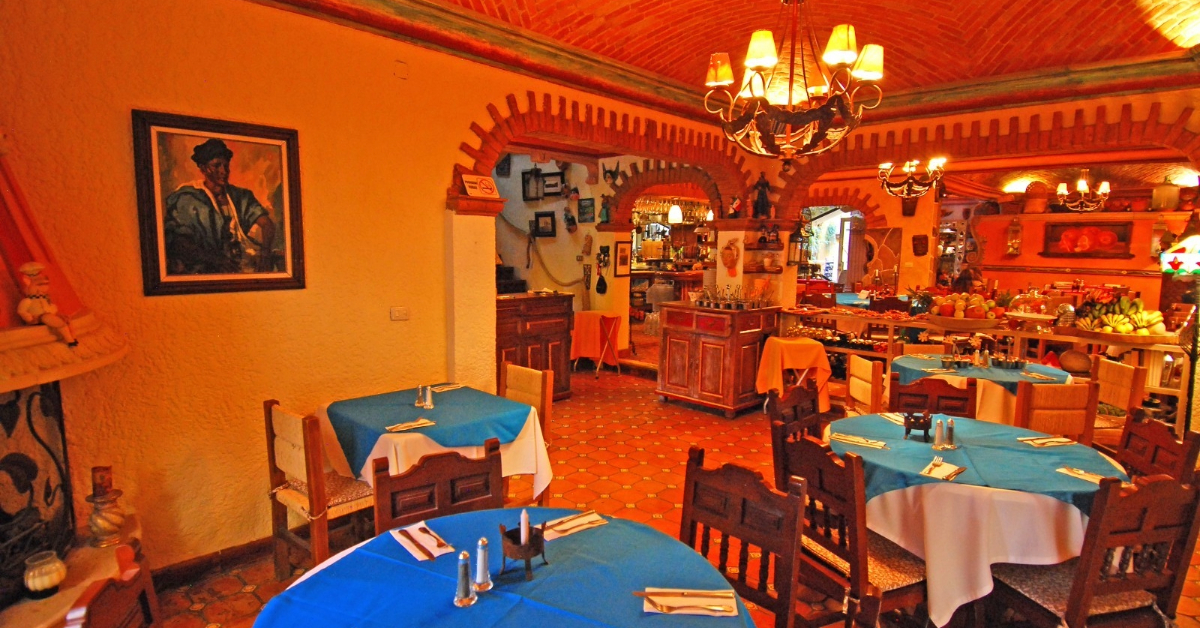
8. The Food Scene Surprises
Beyond tacos you’ll taste enchiladas mineras—filled with potatoes, carrots, and peas—and sip coffee over a relaxed sobremesa (post‑meal chat). Upscale bistros blend local ingredients with global flair.
While San Miguel’s cobbled streets tempt you with tacos al pastor and gorditas, the town’s palate extends far beyond quick bites. At market stalls and food halls like Mercado del Carmen, you’ll encounter enchiladas mineras—fried tortillas filled with potatoes, carrots, and peas, bathed in rich guajillo sauce—alongside carne en su jugo, a savory beef-and-bacon stew locals swear cures any chill. For taco aficionados, the weekend-only stand Tacos by Don Felix layers house-made tortillas with perfectly charred meat and vibrant salsas, earning a loyal following among residents and visitors alike.
Beyond street food, San Miguel boasts a surprising roster of upscale bistros and chef-driven kitchens. The Restaurant, opened in 2008 by Chef Donnie Masterton, is credited with putting San Miguel on the gourmet map and delights diners with inventive plates like duck-confit tacos finished with flor de jamaica-onion jam. At Aperi, chef’s-table tasting menus unfold in a sleek, candlelit dining room, while Atrio pairs modern presentations of local produce with a curated wine list, making both must-visit destinations for special-occasion meals.
And when it’s time for a leisurely break, San Miguel’s café culture shines. Morning risers flock to Panio Bakery for freshly baked pastries and expertly pulled espresso, or to Café Rama—housed in a repurposed colonial home—for artisanal coffee and seasonal light bites. After a long meal, indulge in a relaxed sobremesa over a scoop (or two) of gelato at La Garrafa Nieves, where inventive flavors and homemade waffle cones draw crowds well into the evening. Whether you’re grazing through markets, savoring chef-driven menus, or lingering over coffee, San Miguel’s food scene promises discoveries at every turn.

9. It’s a Spanish‑Learning Hub
With multiple language schools and a large expat community, San Miguel ranks high for immersion. Group classes and one‑on‑one tutoring help you pick up local slang while you explore.
San Miguel de Allende has long drawn language learners with its blend of top-notch schools, friendly locals, and vibrant expat scene. Whether you prefer structured lessons or immersive conversation, you’ll find options to suit every style—and plenty of chances to practice beyond the classroom.
Major Language Schools
- Instituto Allende’s Spanish Program: Housed in a 16th-century convent, this program offers small group classes (4–8 students) and private lessons. You can combine morning grammar workshops with afternoon cultural outings—like cooking classes or guided market tours—to reinforce vocabulary in real-world settings.
- Centro de Idiomas Centro Allende: Right in the heart of Centro Histórico, Centro Allende provides intensive four-week courses (20 hours/week) plus one-on-one coaching. Their “Plus One” package adds weekly guided walking tours, where your teacher highlights local slang and idiomatic expressions as you explore hidden plazas.
- Language in Action (LIA): Focused on conversation, LIA runs daily “cafécitos” (coffee-meetup meet-ups) and organizes volunteer placements—teaching English in local schools or helping at community kitchens—which doubles as language exchange and cultural immersion.
Immersion Strategies
- Homestays and Shared Apartments: Living with a Mexican family or sharing a flat with Spanish-speaking roommates turbo-charges your learning. From breakfast banter to evening sobremesas, you’ll pick up colloquialisms and regional expressions you won’t find in textbooks.
- Conversation Clubs and Language Tandems: Every Tuesday and Thursday evening, head to Jardín Principal for free “Mesas de Español” organized by local expat groups. Pair off with a partner—Spanish speaker for 30 minutes, then English—so both sides benefit equally.
Expat Community & Cultural Events
With thousands of English-speaking residents, San Miguel boasts weekly meet-ups at cafés like Café Rama and Panio Bakery. Look for “Intercambio” signs in window listings for pop-up language exchanges. Beyond cafés, galleries, bookstores, and even salsa classes host casual Spanish-only hours—perfect for building confidence in a supportive crowd.
Practical Tips
- Commit to Spanish-Only Zones: Designate certain parts of your day—meals or outings—as “Spanish-only.” It forces you to stretch your skills and keeps you honest with your progress.
- Use Local Media: Tune into Radio Universidad’s Spanish broadcasts or pick up El Informador del Centro at street stands. Reading real newspapers and listening to live radio deepens comprehension of current events and idioms.
- Set Milestones: Aim for weekly goals—ordering entirely in Spanish at a taco stand, describing your day to a new friend, or giving directions to a taxi driver. Tracking these wins keeps motivation high.
By mixing formal classes with real-life practice—at home, in cafés, and on the streets—San Miguel de Allende becomes more than a vacation spot; it transforms into an open-air classroom where every interaction accelerates your fluency.
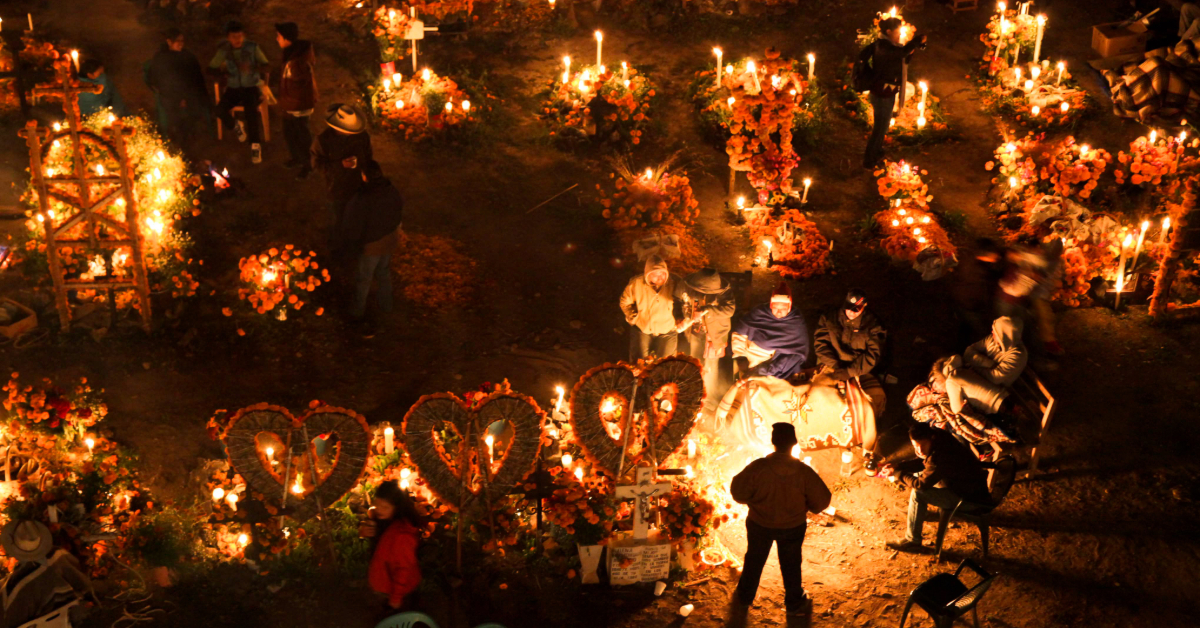
10. Festivals Fill the Calendar
From La Candelaria processions in February to Día de los Muertos altars in November, San Miguel celebrates year‑round. Don’t miss the International Piano Festival in winter for free concerts in historic venues.
San Miguel de Allende’s year-round lineup of fiestas weaves together faith, folklore, and free musical performances—each event offering a window into the town’s vibrant traditions.
La Candelaria (Feria de la Candelaria)
Every February, San Miguel honors Candlemas—40 days after Christmas—with the Feria de la Candelaria. Since 2025, the fair runs from January 31 to February 16, centering on February 2. Early-morning masses bless seeds and candles for fertility, while Parque Juárez overflows with flower displays, agricultural exhibits, and the celebrated tamales de masa and atole stands. Local artisans also sell plants and pottery imported for the occasion, making it part religious observance, part horticultural festival.
Semana Santa (Holy Week)
As Lent ends, the town shifts into procession mode. Palm Sunday kicks things off with two main marches—one descending San Francisco street to the Templo de San Francisco de Asís, another uphill from Parque Juárez to La Parroquia—each accompanied by children carrying woven palm crosses. Throughout the week, images of El Señor de la Columna travel between at least six churches, actors reenact the Passion of Christ, and Good Friday’s Procession of Silence winds through cobbled lanes under candlelight. Concheros dancers and measured drumbeats lend a haunting beauty to each night’s vigil.
Winter Piano Series (Pianissimo San Miguel)
When winter chill settles in (typically February–March), the Pianissimo San Miguel series transforms historic venues into free concert halls every Thursday evening. Soloists such as Josué Almontes, Mirna López, and Osbaldo Guerrero perform Chopin tributes and original compositions in spaces ranging from the Angela Peralta Theater to candlelit courtyards. Presented in partnership with Pro Música San Miguel de Allende, these recitals showcase emerging Mexican pianists alongside rising international talents—perfect for a cultural night out without spending a peso.
Día de los Muertos (Nov 1–2)
The city’s altars (ofrendas) steal the show come November. From October 31 through November 2, streets around Jardín Principal and public buildings fill with tiered altars adorned with photos, marigolds (cempasúchil), candles, and the departed’s favorite treats. Mega-ofrendas appear in plazas and hotels, while photo contests and sculpture exhibitions draw crowds. Evenings bring candlelit vigils and parades, uniting families and visitors in a colorful, communal remembrance of loved ones.
Whether you wander cobblestone streets, browse local art studios, or sample regional dishes, these fun facts will help you see San Miguel de Allende beyond the guidebook highlights. Plan your trip around one of its lively festivals or carve out time for a sunset soak in the hot springs. Above all, arrive with curiosity—this town rewards travelers who look past the façades and step into its living history.