State officials say the planned highway link between Guanajuato and San Miguel de Allende is still on track. The claim comes amid questions about permits and land access. Officials say the toll-road concession remains in place. They say the project is in its final round of approvals. Construction is expected in the first half of 2026. The plan also ties a new Silao–San Miguel segment to the existing Guanajuato–Silao tollway. What needs to be clear before crews arrive, and what could it mean for day-to-day drives across the Bajío?
What Guanajuato says now
Guanajuato’s public works secretary is Juan Pablo Pérez Beltrán. He says the planned highway link to San Miguel de Allende is not in danger. He told reporters the toll-road concession remains in force. He added that the project is in the final stage of permitting. Questions have focused on properties along the proposed route and on whether all authorizations are cleared. Pérez Beltrán said the state and the concessionaire are responding to agency observations. He said that work could begin during the first half of 2026. The timing matters because the project has been discussed for years. It is also tied to an existing toll corridor that many drivers already use. State officials say the arrangement allows the project to move forward without direct public construction spending. For residents and frequent visitors, the message is direct. The state expects the plan to proceed. It says the next visible step is the start of construction.
How the project is set up
The plan is often described as a Guanajuato–San Miguel highway, but it includes two linked pieces. One is the existing Guanajuato–Silao tollway. The other is a new segment between Silao and San Miguel de Allende. Under the state’s concession model, the private operator is responsible for design, construction, operation, maintenance, and related services. Concession documents describe a 30-year term. They also outline that the operator can use the tollway asset as part of the financing structure. That means tolls on the current route help support the build of the new segment. State officials have said the build is intended to avoid using public funds for the new road. The same framework also commits the operator to rehabilitate parts of the existing corridor. For drivers, the structure helps explain why the state continues to emphasize the concession’s status. If the concession holds, the schedule depends less on annual budgets. It depends more on permits, land access, and construction readiness.
What the road is designed to do
State technical briefs describe the new Silao–San Miguel segment as 52.17 kilometers. The planned alignment is divided into three sections, ending near Rancho Nuevo Villa de Guadalupe. The cross section is described as a type A2 roadway, with one lane in each direction and shoulders. Project materials also describe fewer curves than the current free road, and a design speed of 110 km/h. The state has projected travel-time savings of more than 30 minutes compared with the existing non-toll option. Project briefs also describe dozens of vehicle bridges. They also include crossings intended for pedestrians and livestock. The broader aim is connectivity. The road would connect the industrial corridor near Silao and León to a tourism corridor. That corridor includes Guanajuato City, Dolores Hidalgo, and San Miguel. For expats who travel often, it could change drives to the Bajío airport and weekend routes. It could also affect commutes between colonial centers and business hubs.
What still has to be cleared
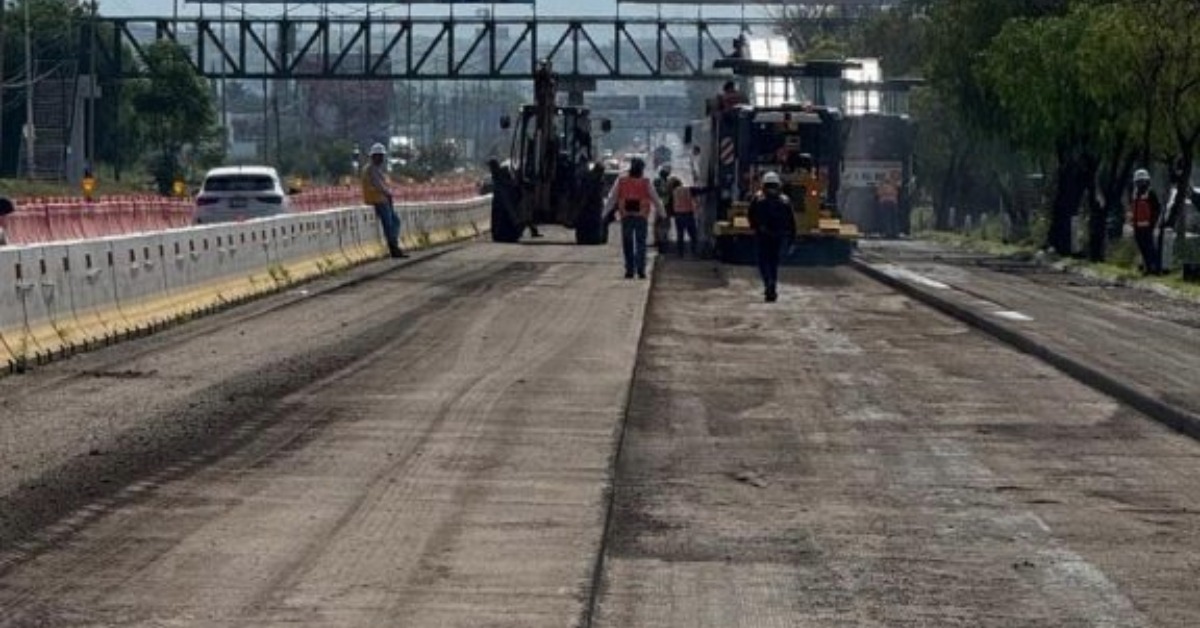
Even with a concession in place, construction cannot begin until key steps are complete. Those steps include final environmental authorizations, approvals from multiple agencies, and the right-of-way needed for the footprint. Recent public debate has centered on whether enough land is already secured and whether every permit is in hand. Some state legislators have asked for more details about the concession’s terms and progress. Local residents have also raised questions about the toll policy on the existing corridor that supports the project. Pérez Beltrán’s comments address that uncertainty by framing the remaining work as procedural rather than structural. He said the state is already in the last process of obtaining permits and is responding to observations. For readers watching the calendar, the practical signal will be activity on the ground. If permits and land deals are finalized on time, the first half of 2026 could mark a shift toward construction activity.