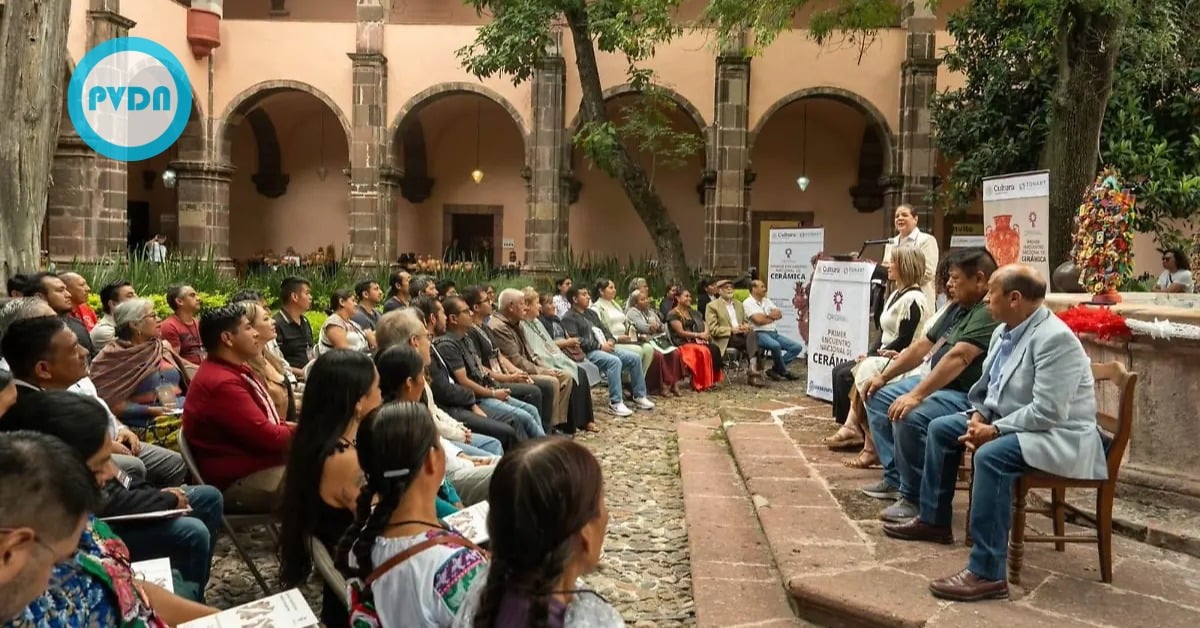
San Miguel de Allende is leaning into clay. Over four days at the Centro Cultural Ignacio Ramírez “El Nigromante,” 50 master artisans from 18 states turned a UNESCO-listed city into a living classroom and marketplace, trading techniques, firing schedules, and stories while the public browsed a curated expoventa. The gathering—billed as the first of its kind—ran September 11–14 and doubled as a statement: Mexico’s artisan economy is not a souvenir stand; it’s a cultural industry worth policy, investment, and respect.
National Ceramics Meet
The kickoff, announced by Mexico’s Culture Ministry and FONART, framed the Encuentro as both celebration and documentation: a place to strengthen networks among clay communities and to record the country’s principal techniques and materials so they aren’t lost or diluted as markets shift. The official program called for dialogues, demonstrations, and a public expo-sale inside El Nigromante, the INBAL-run arts hub off Hernández Macías in San Miguel’s historic center.
Organizers fixed the dates for mid-September—opening activities from September 11 and public programming through September 14—aligning with a broader “Original” calendar the federal government has used to push ethical collaboration and fair pay in the craft sector. For San Miguel, a city already steeped in art schools and ateliers, the message landed: clay belongs not just in tourist galleries but at the center of public culture.
San Miguel’s clay moment
Local coverage captured the scale: “four days, 50 artisans, 18 states” converging at El Nigromante, with state and federal officials underscoring the craft’s cultural weight. That positioning—“capital of clay”—isn’t marketing fluff. Guanajuato long nurtured ceramics, from majolica traditions revived by notable studios to markets that pull regional buyers. Hosting a national meet in this geography marries infrastructure, audience, and symbolism.
The venue matters. El Nigromante is San Miguel’s anchor for formal arts education and exhibitions under Mexico’s national fine-arts system; putting the Encuentro inside its cloisters counters the common perception that pottery is peripheral to “high culture.” It also gives artisans a neutral ground where techniques—from barro negro to Talavera-style glazes—can be discussed without being flattened into a single aesthetic.
Beyond souvenirs, toward a cultural economy
Context helps explain why this meeting exists. Mexico’s artisan activity is not a cottage-industry footnote; by INEGI’s last detailed take, tens of thousands of retail establishments move crafts and sustain regional employment, with ceramics among the reliable growers inside state-level social-economy reports. Those numbers predate the current administration’s expansions to FONART’s programming and retail footprint, but the trajectory is clear: crafts are a serious livelihood and an engine for local spending.
The Encuentro’s design reflects that shift. “Original,” the federal platform behind the meet, was built to reset relationships between brands and traditional communities—centering equity, attribution, and consent around designs and iconography. In practice, that means deals that name artisans, respect collective ownership of motifs, and push back on appropriation. Bringing potters into that framework—after textiles—signals that ceramics, too, deserve contractual dignity and market access, not just applause.
Technique, safety, and market access
There’s also a public-health and export story lurking in clay. Decades of research and advocacy have pushed workshops toward lead-free glazes, making pieces safer for households and viable for restaurants and international buyers. FONART now certifies “Sin Plomo” compliance and supports lead-free fairs; academic work continues to track exposure risks in traditional glazing. A national meet is fertile ground to spread those safer techniques, peer-to-peer, and connect them to buyers who will pay for them.
During the expo-sale, the public could see the diversity that “cerámica mexicana” actually contains: high-fired stoneware from the north; barro negro and green-glazed Oaxaca; red clays from central valleys; trees of life and burnished forms; and contemporary design that still credits the communities behind its patterns. The organizers’ goal to document techniques and materials is pragmatic; it archives knowledge and, importantly, builds a reference that future curators, chefs, and shop owners can use to source responsibly.
Why this meet matters now
The timing—on the eve of fall tourism and amid a state cultural calendar that includes the Cervantino festival—gives artisans foot traffic and media oxygen beyond niche craft circles. It also offers San Miguel, already known for its galleries, a chance to host working makers from outside the Bajío and let visitors meet them directly, without intermediaries. That direct connection, paired with institutional backing, is how reputations shift from “pretty souvenirs” to “heritage design.”
For readers and buyers, the takeaway is straightforward: when you see clay bearing a maker’s name, technique, and verified materials, you’re not just buying a bowl—you’re investing in a living archive. That is what the first national ceramics meet, staged in San Miguel, tried to show in public to the people who keep the kilns lit.