Mexico is seeing a clear shift in tourist behavior in 2025, with more visitors gravitating toward its cultural assets. New figures from the Ministry of Tourism show that the country’s museums and archaeological sites are drawing larger crowds, signaling a stronger demand for experiences tied to history, identity, and heritage.
The head of the ministry, Josefina Rodríguez Zamora, reported that from January to June 2025, Mexico’s museums registered 6 million visitors, a 22.2 percent increase compared to the same period in 2024 and a 3.9 percent rise over pre-pandemic levels in 2019. The significant growth underscores a renewed and growing interest in cultural tourism Mexico 2025, not only from Mexicans but also from international travelers who are seeking deeper connections beyond beaches and resorts.
Rodríguez Zamora emphasized that cultural sites are now a central draw. “We are proud to see that more and more people want to visit our museums and archaeological sites, which reflect Mexico’s legacy of greatness. The stories these places preserve allow us to identify with them, because who we are today is deeply shaped by that past. We will continue working so that more people fall in love with this legacy and experience it with respect and emotion,” she said.
According to data from the National Institute of Anthropology and History (INAH), nationals accounted for 89 percent of museum visitors, while foreigners made up 11 percent. The three museums with the highest traffic were the National Museum of Anthropology, the National Museum of History, and the Templo Mayor Museum. Together, those institutions accounted for 4.3 million of the total museum visits during the first half of the year, reinforcing their status as flagship cultural destinations for both domestic and global audiences.
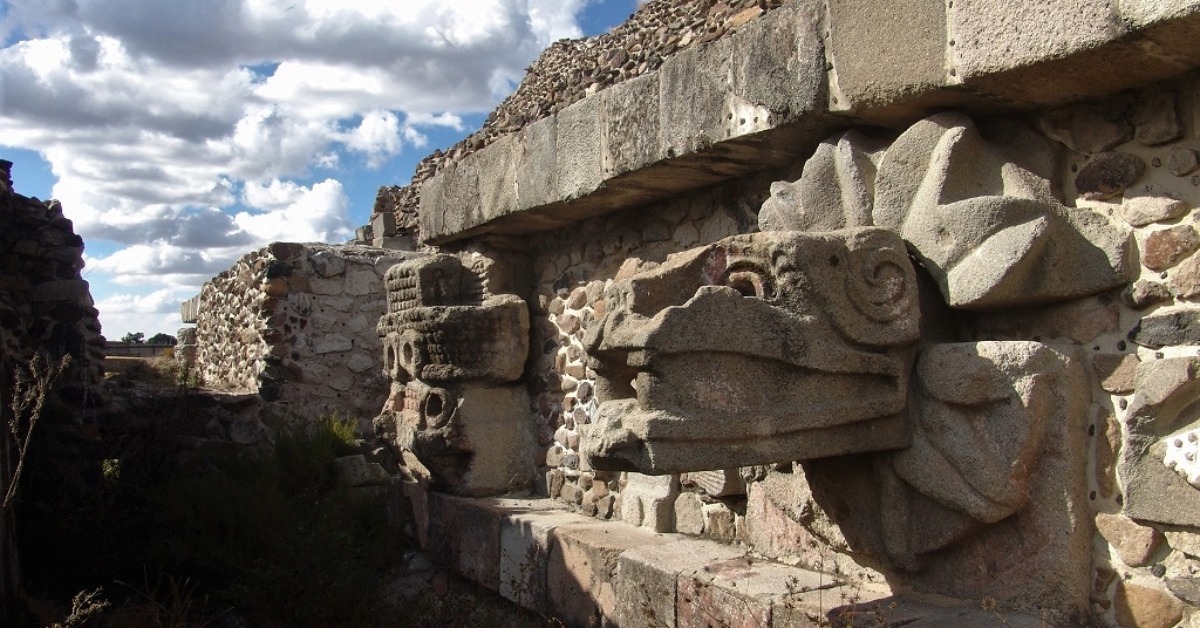
The climb in cultural tourism isn’t limited to indoor exhibitions. Archaeological sites across the country also saw an uptick in attendance. The same period recorded 5.1 million visits to archaeological zones, a 3.3 percent increase over the first half of 2024. Unlike the museum breakdown, the audience mix at archaeological sites showed a stronger foreign presence: 61 percent of visitors were Mexican nationals and 39 percent were international tourists. That growing proportion of foreign visitors signals that Mexico’s ancient ruins are drawing attention from abroad as authentic cultural experiences.
The most visited archaeological sites were Chichén Itzá with 1.1 million visitors, Teotihuacán including its Site Museum with 840,000, and Tulum with 628,000. Each of these sites carries global recognition, but the numbers reflect that tourists are not only arriving to check a box—they are engaging with Mexico’s layered history in large numbers and helping drive the broader trend toward cultural tourism Mexico 2025.
Tourism authorities see multiple drivers behind the shift. Some travelers are seeking more meaningful experiences after years of pandemic-induced travel resets; others are drawn by Mexico’s growing promotion of heritage preservation and story-driven itineraries. Local initiatives to improve site access, interpretive materials, and preservation efforts have also likely contributed, making these destinations easier to visit and understand for outsiders.
The increased visitation poses both opportunities and responsibilities. On one hand, the influx of visitors provides economic support to surrounding communities and raises global visibility for Mexico’s cultural patrimony. On the other, it demands careful management to ensure that the integrity of the sites and the authenticity of the visitor experience are preserved. The ministry’s messaging, rooted in respect and connection, suggests a policy posture that aims to balance growth with stewardship.
For domestic travelers, the strong majority presence in museum attendance shows a re-engagement with national identity. Cultural tourism offers Mexicans a chance to revisit and reinterpret their history, deepening civic pride while boosting internal travel. For international travelers, the higher foreign share in archaeological site visits points to a desire to see beyond surface-level tourism and connect with the ancient civilizations that shaped the region.
Industry observers say this trend could reshape how Mexico markets its tourism product. Rather than leaning heavily on sun-and-sand narratives, the country now has data-backed evidence that its cultural wealth—museums, ruins, and the stories they hold—is a compelling reason for trips. Travel packages, regional promotions and international campaigns are likely to amplify stories about heritage, indigenous cultures, historical continuity, and the lived experience of Mexico’s past in the present.
As cultural tourism Mexico 2025 accelerates, the ministry appears to be positioning the country not just as a place to visit, but as a place to understand. The increased foot traffic through museums and archaeological sites in the first half of the year is a marker of that shift, and the numbers suggest the momentum is real. What was once a secondary interest for many travelers is becoming a primary motivation, and Mexico’s cultural legacy is now taking center stage in the country’s tourism narrative.