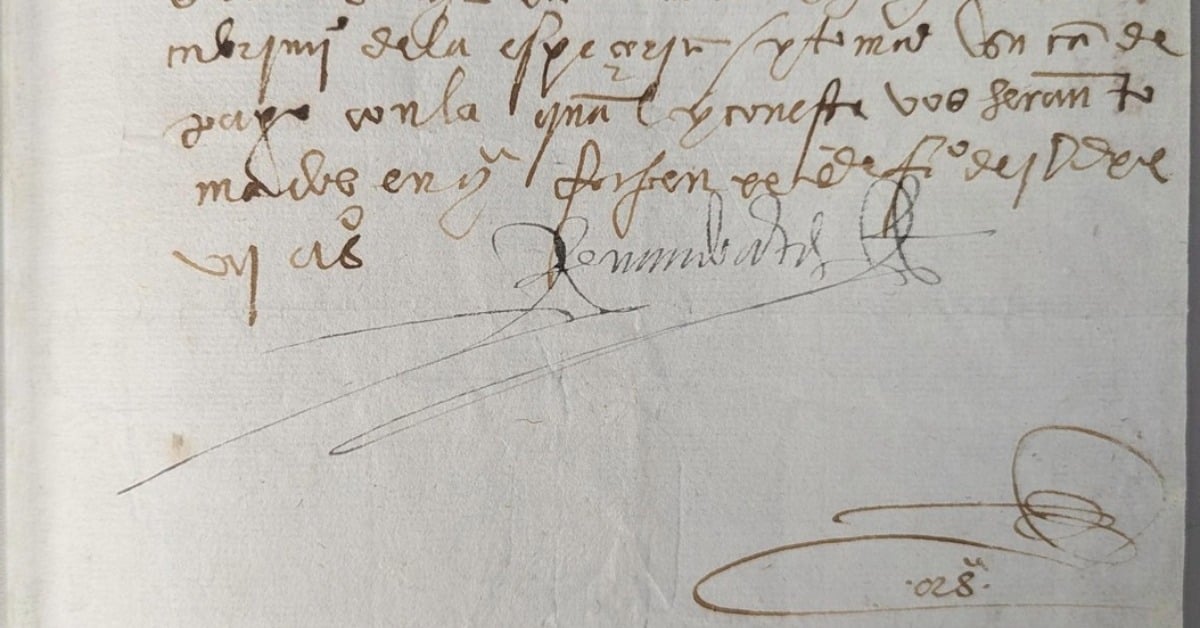
Mexico has recovered a 16th-century manuscript signed by Hernán Cortés, returned by the U.S. Federal Bureau of Investigation to the Mexican government. The U.S. Embassy in Mexico announced the handover and described it as part of ongoing collaboration between both countries.
The document bears Cortés’s signature and is dated February 20, 1527. Authorities believe it was stolen sometime in the 1980s or 1990s, a period when colonial documents were frequently trafficked into private hands. The embassy shared the news on X, noting the date’s resonance with Mexico’s past.
What the manuscript contains
According to the FBI’s description, the text details payments in “pesos de oro común” to fund preparations for the “discovery of the lands of spices.” In other words, it offers a window into how expeditions were planned and financed at a time when Spain sought new routes and resources. That makes the pages valuable not only as an artifact with Cortés’s signature, but as a record of the logistics behind early imperial expansion.
For historians and archivists, the financial language matters. It can clarify how money moved, who paid which costs, and what priorities guided voyages into regions considered unknown to Europeans. When such records vanish into private collections, scholars and the public lose access to pieces of a larger puzzle. A recovery like this restores one of those pieces to Mexico’s documentary heritage.
The symbolism of the date
The embassy highlighted a symbolic link: the return came as Mexico marked 504 years since the fall of Tenochtitlán on August 13, 1521. That history lives in public memory, textbooks, and civic commemorations. Adding a signed Cortés document back into a national collection on this date underscores how repatriations can carry emotional weight alongside legal and archival significance.
Cooperation across borders
The embassy framed the repatriation as the product of close cooperation with the FBI. Such coordination is essential in cases where thefts occurred decades earlier and evidence must be reconstructed across jurisdictions. When agencies align, the pathway home for cultural property becomes clearer, and public institutions regain access for preservation and study.
Why this matters for readers
When a document like this returns, it does more than expand a museum case. It equips teachers with primary sources, supports new research, and lets the public scrutinize the material record of conquest and colonization. The value lies in access. Archives can digitize and preserve fragile pages so future generations can see, study, and debate them in context.
What remains to be seen
The announcement shared photographs and a brief description of the manuscript’s content, but did not detail its complete provenance or the precise circumstances of the theft. As the document enters public custody, those gaps may narrow through conservation, cataloging, and scholarly review. For now, the return marks a concrete step: a rare 1527 manuscript with Cortés’s signature is back in Mexico, where it can be safeguarded and studied.