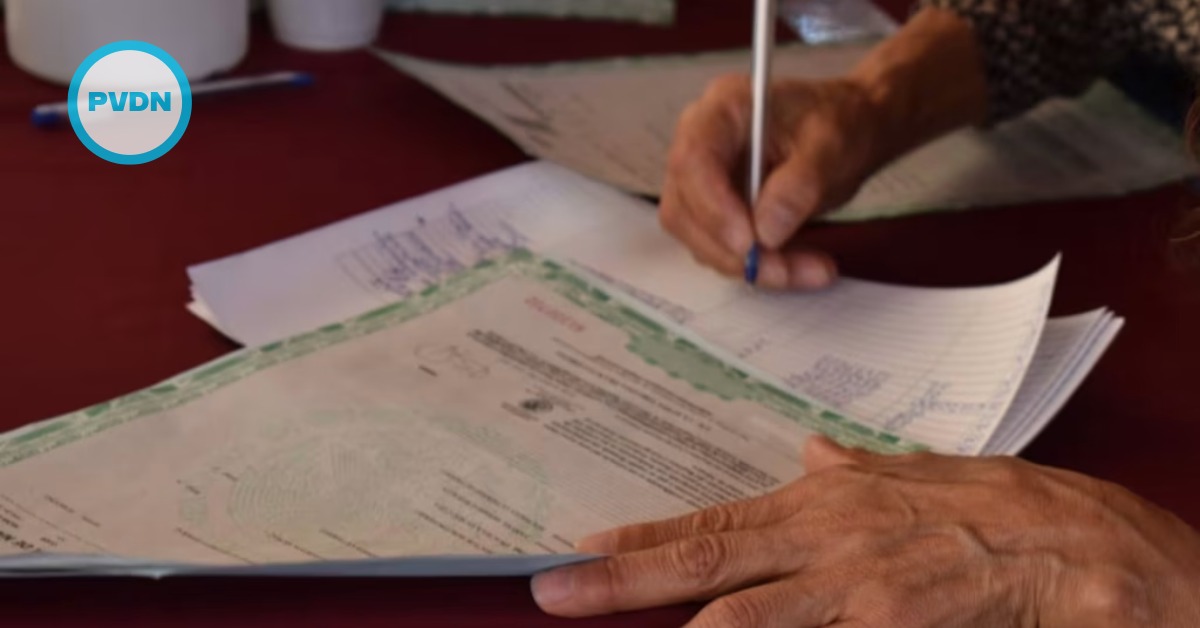
In the Philippines, a man who spoke no Spanish walked into a Mexican consulate carrying a birth certificate from Oaxaca. In Texas, Cuban nationals presented similar documents claiming to be from Mexico. These unlikely “Mexicans” have exposed a hidden scheme spanning thousands of miles. Officials suspect that corrupt civil registry staff have been selling genuine-looking Mexican birth records to foreign buyers. The ongoing investigation reveals how this fraud was orchestrated and the serious measures being taken to shut it down.
Mexican authorities are probing a clandestine operation that allowed foreign nationals to obtain Mexican birth certificates through fraud. The scheme first came to light when consular officials noticed something was amiss with certain passport applicants. In one incident, a Chinese man in the Philippines tried to get a Mexican passport using a birth certificate from the town of Santo Domingo Tehuantepec, Oaxaca. He even presented a Mexican voter ID and driver’s license. Yet during his interview at the embassy, he couldn’t speak Spanish or answer basic questions about his supposed birthplace in Mexico or his parents. This raised immediate red flags. Embassy staff verified the documents’ details and found the birth certificate number in Mexico’s registry database, meaning it appeared authentic. However, the applicant’s inconsistent answers led officials to suspect the identity was fabricated. The case was reported to Mexico’s authorities, who began investigating how a foreign citizen could apparently have valid Mexican identity papers.
The case of the would-be “Oaxacan” in Manila turned out not to be isolated. Around the same time, Mexico’s Consulate General in Houston, Texas, sounded an alarm about a “black market” in Mexican birth certificates being used by Cuban nationals. Over the course of a week in January, consular staff in Houston encountered several individuals who claimed Mexican citizenship but were in fact born in Cuba.
These people presented Mexican birth certificates purportedly issued in places such as Tapachula (a city in Chiapas) and in other states, including Aguascalientes, Nayarit, and Puebla. When consular officers pressed for details, the applicants admitted they had no family ties to Mexico. According to an internal report, they obtained the documents through an intermediary based in Tapachula who would send Mexican birth certificates to Cuban clients. The certificates were verifiable in official systems and even came with certified CURP numbers (the unique identity code for Mexican citizens). But they contained telltale irregularities – for instance, they lacked the usual marginal notes and birth certificate identification numbers that genuine records always have. Those subtle errors, combined with the applicants’ own admissions, made it clear that the documents had been created fraudulently despite looking official on the surface.
A Nationwide Fraud Network Uncovered
Mexican officials now believe these incidents were part of a broader corruption network operating within the civil registry system. Investigations led by the Foreign Ministry (Secretaría de Relaciones Exteriores, SRE) and state authorities traced the scheme’s epicenter to southern Mexico. Early evidence points to at least three municipalities in Chiapas — Tapachula, Motozintla, and Comitán — where civil registry employees allegedly colluded with criminal networks to issue false birth certificates. Tapachula, in particular, is a hub for migrants from Cuba and other countries entering Mexico, which may have made it a focal point for this illicit business. By exploiting their access to the official registry databases, corrupt clerks could insert fictitious birth records or alter existing ones to create new “Mexican” identities for clients who were actually foreign-born.
Between January 15 and 21, the Mexican consulate in Houston identified five cases of this type of fraud, prompting the SRE to issue a warning to all Mexican embassies and consulates worldwide. Officials feared the fraud could be replicated elsewhere, as evidenced by fake birth records traced to civil registry offices in central states far from Chiapas. In response, the Foreign Ministry announced it is tightening verification procedures for all passport and documentation requests. Consular and immigration officers have been urged to double-check the validity of Mexican civil documents, especially when an applicant’s background raises any suspicions. The government also signaled a broader effort to identify and prosecute those responsible on the Mexican side of the scheme.
Arrests and Official Crackdown
The uncovering of this scheme has already led to arrests. In Chiapas, state prosecutors detained three civil registry workers implicated in the illicit issuance of birth certificates to foreigners. Among those arrested was a former local registrar director, highlighting that even high-ranking officials were allegedly involved. They have been charged with offenses including abuse of authority, involvement in organized crime, and the illegal manipulation of public records. Authorities say these are serious crimes, given the threat such fraud poses to legal and migratory integrity. According to the Chiapas Attorney General’s Office, the investigation began after an internal audit on January 12 discovered irregular entries and edits in the digital birth record system. The arrested officials are accused of using their positions to create false identities for profit and potentially to facilitate human trafficking by providing migrants with legitimate-looking Mexican documents.
Mexican officials are treating the matter as a national security concern. With a Mexican birth certificate, a foreign national can essentially assume Mexican identity, obtain a passport, and travel with fewer restrictions. This not only undermines the integrity of Mexico’s civil registry but also poses international risks—for instance, individuals with fraudulently obtained Mexican passports might travel undetected to other countries. The recent cases mostly involved Cuban nationals who, facing limited options, allegedly paid hefty sums for a chance to become “Mexican” on paper. However, the case of the Chinese citizen in the Philippines indicates that the appeal of a false Mexican identity extends beyond any one nationality.
Ongoing Investigation and Reforms
The revelation of this birth certificate trafficking ring has prompted Mexican authorities to implement new safeguards. The Foreign Ministry has emphasized the need to strengthen document verification processes both domestically and at its diplomatic missions. Alerts have been sent to consular offices worldwide to scrutinize birth certificates and other civil documents presented by applicants, especially if they originate from areas now known to be compromised by corruption. Meanwhile, Mexico’s federal government is working in coordination with state officials to close any loopholes in the civil registry system. This includes reviewing how birth records are issued and ensuring that all legal requirements — such as proper annotations and unique certificate numbers — are present and correct.
The investigation remains active, and more developments are likely. Officials have not ruled out the possibility of additional arrests as they untangle the full extent of the network behind this fraud. The incident has also shone a light on the desperation of certain migrant groups and the lengths to which they will go — even purchasing a new identity — in hopes of a better life or an easier path to travel. Mexican authorities have publicly warned that obtaining documents by fraudulent means is a grave crime. Both the individuals who sold the fake birth certificates and those who tried to use them could face criminal charges. By making examples of the perpetrators, Mexico aims to deter future document fraud and reassure the public that the integrity of national records will be protected.
With information from Diario Marca, El Heraldo de México, Infobae