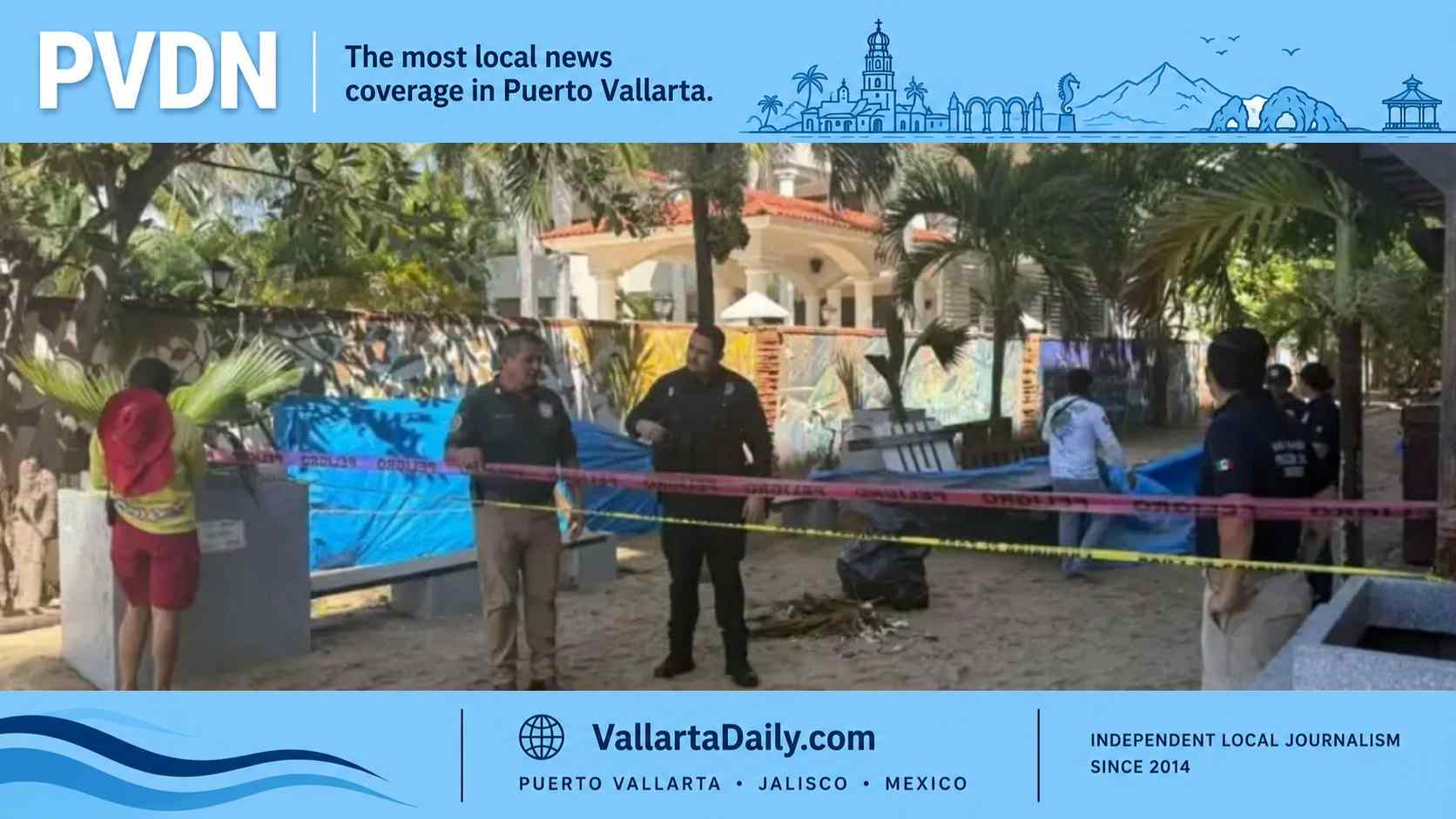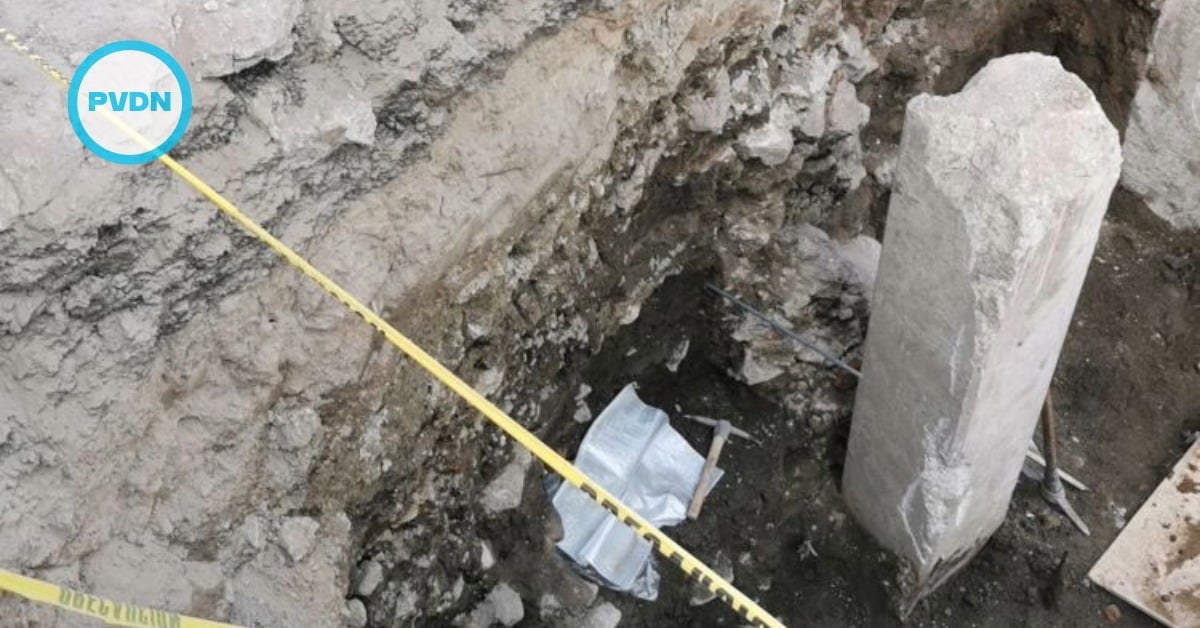
The machinery fell silent on Calzada San Antonio Abad, where the city is building its elevated pedestrian corridor. In the early hours of Monday, crews opened a trench and found more than soil. A human skull and ceramic pieces emerged from the dig, and the Instituto Nacional de Antropología e Historia (INAH) ordered a temporary suspension while specialists secured the site. The stoppage was made public on Tuesday, November 11, 2025.
INAH halts Calzada Flotante
The discovery sits in front of the ex Templo de San Antonio Abad, between Chimalpopoca and the Callejón de San Antonio Abad, on the edge of Colonia Tránsito. It’s a block where layers of Mexico City’s past often lie close to the surface. According to reporters on scene, INAH staff collected the skull and ceramic fragments and cordoned off the work zone for a salvage excavation.
El Universal first reported the formal suspension notice posted at the pit, alongside orange fencing and heavy equipment standing by. The outlet described anthropologists using brushes to clean and recover material while the constructor paused drilling activity. Reports note the stop began after the find in the early hours of Monday.
INAH hasn’t released a lab result yet. That will take time. Standard practice is clear: secure the context, document the trench, recover material, and only then decide whether work can resume as planned or requires design tweaks. The institute follows this playbook across big projects and has dedicated salvage teams to support it.
The location matters. Just south of the historic center, San Antonio Abad has a record of surprises. In 2016, salvage archaeologists in the same colonia cataloged hundreds of pre-Hispanic objects during another infrastructure job. That history helps explain why a single skull can halt a flagship corridor in its tracks: the subsoil often holds a puzzle that needs careful reading before concrete sets.
As of Tuesday afternoon, media on the scene described the area wrapped in caution tape and guarded while archaeologists worked. Another outlet placed the trench a few meters from the former temple and next to the local skate park, reinforcing the precise spot of the find. Those details suggest the discovery lies right where the new elevated structure’s supports are planned, a point that will drive how engineers respond.
By mid-day, local coverage labeled the project segment a “Parque Elevado,” part of the broader Calzada Flotante plan. That label matters less than the process now underway. Once specialists complete controlled excavations and the analysis of the skull and ceramics, INAH will determine whether to greenlight a restart or require adjustments that preserve what remains in situ—or document and lift it if preservation is impossible.
The early focus is basic but crucial: establish the context. Are we looking at a colonial burial disturbed by later works? A secondary deposit carried by floods? Or a pre-Hispanic context consistent with other finds south of the Zócalo? Only stratigraphy and lab work can answer that. For now, the find is a reminder that modern Mexico City often rests on older foundations that still speak when we cut into them.
At the project level, the city frames the Calzada Flotante as a long elevated pedestrian corridor above Line 2 of the Metro. The first phase runs from Plaza Tlaxcoaque to Chabacano, with crews already setting piles and foundations this fall. That alignment puts the dig squarely in an active construction zone, which explains why the pause is visible to commuters and drivers.
Mid-project interruptions for archaeology are not rare in the capital. When big digs turned up human remains along Paseo de la Reforma earlier this year, investigators eventually tied them to an old cemetery disturbed by modern infrastructure. The lesson then, and now, is that patience and documentation prevent the loss of context that gives findings their meaning.
What the pause means for commuters
For commuters and nearby businesses, the immediate impact is a localized slowdown rather than a corridor-wide shutdown. Work continues elsewhere along the route while this trench is under study. City project pages describe the corridor as a multi-stage build meant to add safe pedestrian space above traffic while restoring greenery along the spine of Tlalpan. Those aims don’t change because of a salvage dig; the schedule might. The question is whether the design must shift around a protected context or if careful recovery allows crews to return to plan.
The broader timeline still points to staged openings as supports rise over the coming year. Industry reporting has the first Tlaxcoaque–Chabacano stretch targeted for completion in 2026, aligning with the city’s push to modernize pedestrian infrastructure ahead of major events tied to the World Cup cycle. That makes every week valuable—but not more valuable than the record beneath the street.
In the meantime, expect to see archaeologists on ladders and in shallow trenches, moving with brushes and spoons rather than backhoes. If they confirm a burial or an organized deposit, that will shape the technical decision: preserve, protect, or relocate. Either way, commuters will be notified when construction resumes, and the project’s managers will need to demonstrate how the route honors what the subsoil reveals.