A Jalisco congressional commission has approved a proposal to add a 50% surcharge to property taxes on certain vacant residential properties, advancing a measure aimed at curbing real estate speculation and housing shortages.
The proposal was approved by the state Congress’s Commission on Planning, Territorial Ordering, and Water Management. It still requires approval by the full Congress before it can become law.
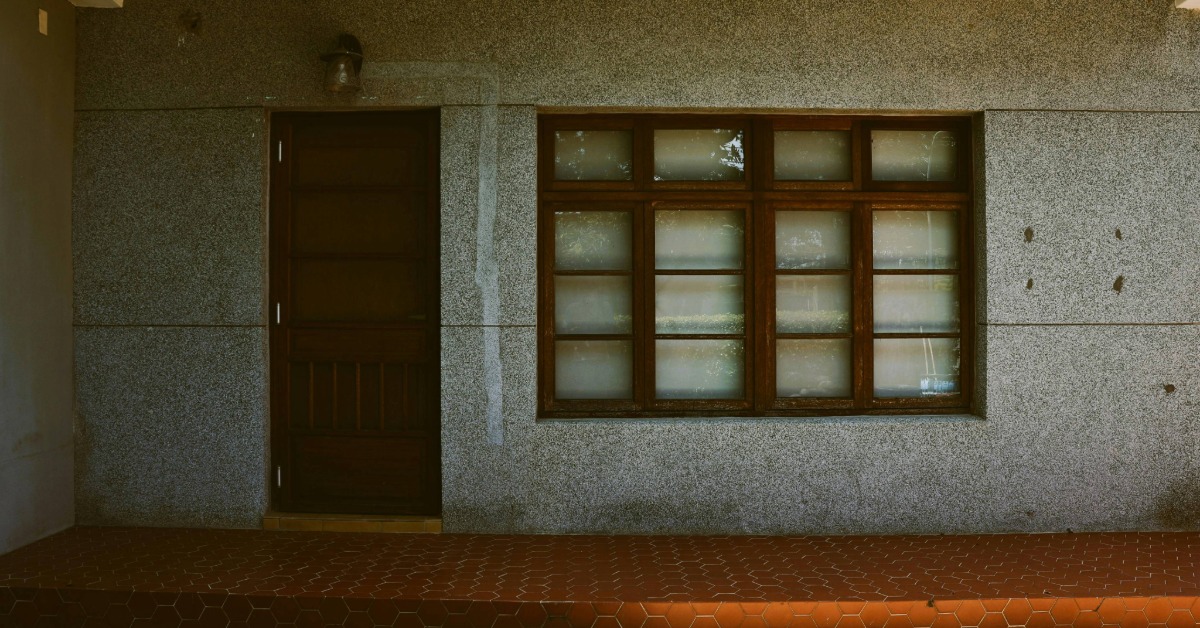
The measure targets habitable homes that are left empty, especially when owned by large owners. Legislative backers say the goal is to push unused housing back into the rental market rather than leave it vacant as rents rise.
For many international residents, the issue may sound familiar. Cities across Mexico are debating how to handle a housing market shaped by investors, short-term rentals, rising land values, and limited affordable supply. Jalisco’s proposal adds another tool to that debate.
What the proposal would do
The committee-backed measure would amend Jalisco’s municipal finance rules by adding a surcharge to the predial, Mexico’s local property tax.
The proposal, as advanced in committee, calls for a 50% increase in the property tax bill for vacant residential properties that meet the legal definition. Lawmakers described the target as owners with five or more properties in that condition.
This is an important point. The measure is not being framed as a penalty on every second home, vacation property, or temporary vacancy. It is aimed at large-scale ownership of empty homes when those properties are being kept out of use.
The policy is built around a basic argument. If a home is already suitable for living and is being held empty for speculative reasons, it should not receive the same treatment as an occupied home.
Supporters say the extra cost could encourage owners to rent, sell, or otherwise return those properties to productive use.
Why Jalisco is focusing on vacant housing
Jalisco has a visible housing contradiction. The state has strong real estate demand, high pressure in major urban areas, and many families struggling to find affordable homes. At the same time, official census data shows a large number of unoccupied private homes.
INEGI’s 2020 census counted 451,590 private homes in Jalisco as uninhabited. It also counted 176,350 homes for temporary use. Those numbers do not prove the speculation on their own, but they help explain why vacant housing has become a political issue.
A vacant home can exist for many reasons. Some properties are inherited and tied up in family disputes. Others are under renovation, in poor condition, involved in legal cases, or used seasonally. Some may be empty because owners are waiting for prices to rise.
That is why the definition matters. A fair policy needs to distinguish between abandoned, vandalized, temporarily unused, and deliberately withheld housing.
The reforms discussed in the same legislative process would also create clearer classifications for homes. Properties could be classified as occupied, unoccupied, abandoned, or vandalized.
The role of a state housing registry
The commission also approved a related proposal to create a State Housing Registry under the Jalisco Housing Institute.
That registry could become one of the most important parts of the policy. Without reliable data, governments often struggle to know which properties are truly vacant and why.
A registry could help state and municipal authorities track housing conditions, availability, and use. It could also make enforcement more consistent, especially in cities with high rental pressure.
For property owners, the concern will be how that information is gathered and verified. A vacancy penalty can be difficult to apply if records are incomplete or if municipalities lack inspection capacity.
For renters, the hope is that better data could lead to better housing policy. Empty housing is only one part of the affordability problem, but it is one part government can measure and regulate.
What this could mean for expats and foreign owners
The proposal is most relevant for owners with multiple empty homes in Jalisco. A foreign resident who owns one home and lives in it would not fit the basic target described by lawmakers.
A foreign homeowner with a vacation property should also avoid jumping to conclusions. The final legal text, if approved, would need to define what counts as vacant, what exceptions apply, and how owners can prove a justified reason for non-occupancy.
The issue becomes more complicated for investors. Anyone holding several unused residential properties in Jalisco could face more scrutiny if the measure becomes law.
This matters in cities and tourist areas where foreign and domestic capital both play a role in rising prices. Puerto Vallarta, Guadalajara, Chapala, and other parts of Jalisco have seen growing debate over housing access, short-term rentals, and the impact of speculative ownership.
Still, the proposal should not be read as an anti-foreigner measure. It is a housing policy aimed at property use, not nationality.
Why this is part of a larger Mexico housing debate
Across Mexico, housing affordability has become a political issue. Local governments are facing pressure from renters, neighborhood groups, and workers who say they are being priced out of central or desirable areas.
The pressure is not caused by one factor. Wages, land costs, construction prices, short-term rental demand, migration, tourism, and credit conditions all play a role.
Vacant housing penalties are one possible response. They are designed to make it more expensive to hold homes empty when people need places to live.
But they are not a full housing plan. Even if the surcharge moves some homes back into the market, Jalisco would still need more affordable construction, better land-use planning, and stronger rental protections.
The measure also raises practical questions. Municipalities would need a clear way to identify vacant homes. Owners would need a fair appeals process. Authorities would need to avoid penalizing homes that are empty for legitimate reasons.
What happens next
The proposal is not yet law. It must still be approved by the full Jalisco Congress.
If passed, it would then need to move through the normal legal process before taking effect. Municipal governments would also likely need time to adjust local rules and enforcement systems.
That means property owners should watch the final wording, not just the headline. The details will determine who is affected, how the surcharge is applied, and what exemptions are available.
For renters, the proposal signals that Jalisco lawmakers are willing to use tax policy to address the housing market. Whether it changes rental availability will depend on enforcement and on how many empty homes are actually held for speculation.
For now, the measure is best understood as a serious step in a larger housing debate. Jalisco is trying to answer a difficult question: what should happen when homes remain empty in places where people cannot find affordable housing?