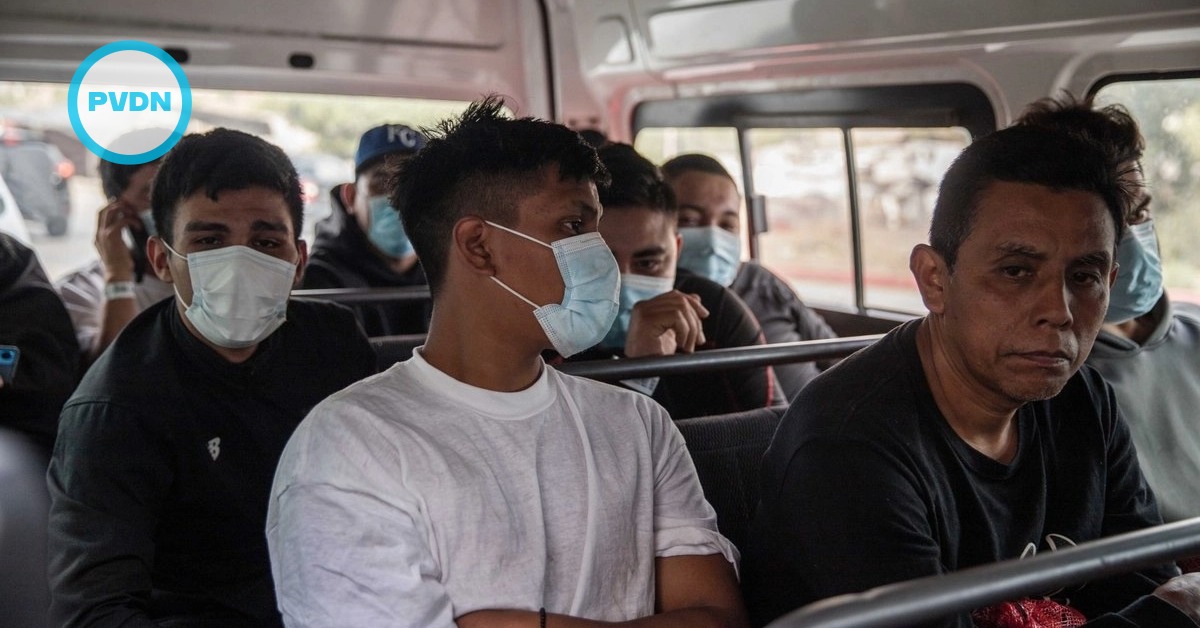
Segob says 145,537 Mexicans were deported from the U.S. since Jan. 20, and nearly 100,000 have used federal assistance centers.
Mexico’s Interior Ministry says the country has received 145,537 Mexican citizens deported from the United States since Jan. 20, the start of the current U.S. administration. The figure covers deportations through Dec. 17 and was presented at the Mexican president’s morning briefing on Thursday.
Officials framed the numbers as both a migration issue and a household issue. People return with little notice, often without savings, and many need immediate help to get home safely. The government says its response now runs through the “México te Abraza” strategy, built around reception centers and rapid support at ports of entry.
Deportations by the numbers
According to the Interior Ministry, deportations have averaged hundreds per day since late January. The flow has also shifted by season and by route. Most people have been returned by land through the main border crossings in Baja California, Sonora, Chihuahua, Coahuila, and Tamaulipas. The rest arrived by air, including flights that have landed in Tapachula, Villahermosa, and the Felipe Ángeles airport near Mexico City.
October saw the highest monthly total, with 16,734 deportations. Officials also pointed to a noticeable rise in flights during August, a sign that returns are not staying limited to the border. That matters because air arrivals can place sudden pressure on services far from the frontier, including shelters, local clinics, and transport networks.
Another number stood out in Thursday’s briefing. Mexican consular offices provided some form of assistance before repatriation to 130,364 people, according to the Foreign Relations Ministry’s North America office. Consular help can mean legal orientation, contact with relatives, or help confirming identity and paperwork before someone is put on a bus or plane.
What happens at Mexico’s assistance centers
Mexico has set up nine federal assistance centers in seven states to receive people who want support right away. The sites sit in key border cities, and also in Tapachula and Villahermosa, where air arrivals have increased. The Interior Ministry says 34 federal agencies participate, and it runs a 24/7 command center to respond to incidents.
Officials say nearly 100,000 deported Mexicans have entered one of these centers since Jan. 20. The rest did not, but the government says it still offers basic services at entry points, including food, phone calls, legal guidance, and help arranging travel back to their hometowns.
Inside the centers, the government describes the work as practical and fast. It has provided hundreds of thousands of services, including hot meals, medical care, and psychological support. It has also issued copies of birth certificates and CURP documents, which often become urgent when someone returns without IDs.
The government says it has also used the program to connect returnees to longer-term support. Tens of thousands have been affiliated with IMSS for humanitarian coverage, and many have enrolled in social programs. Officials report that more than 85,000 people received a one-time “Bienestar Paisano” card worth 2,000 pesos to cover transportation and basic expenses on the way home. Migration authorities have also transported tens of thousands of people to their home states.
Consular support and a tougher U.S. posture
Mexico’s consular network has been working under heavier pressure this year. Officials say consular staff have increased their visits to U.S. detention centers, aiming to provide legal guidance and verify conditions. They also say they have identified a group of consulates that will receive additional legal support, with extra attention to posts along the border where enforcement activity has been higher.
For readers living in Mexico, these are not abstract numbers. Many expat communities employ or live alongside Mexican families with relatives in the United States. A deportation can reshape a household overnight, pulling a worker back across the border, breaking up a family, or forcing a rushed return to a town where jobs are scarce.
It also changes what some travelers will see on the ground. Border cities may have more federal presence near crossings, and airports receiving deportation flights may see periodic surges in demand for taxis, buses, and local services. Most visitors will pass through without noticing much. But during spikes, the strain tends to show up in shelters and public services first.
What to watch next
The Interior Ministry emphasized that it plans to keep the reception strategy in place into 2026. That signals Mexico expects pressure to continue, even if the pace rises and falls month to month.
The bigger question is whether deportations stay concentrated at the border or continue to disperse by air to the south and the center of the country. Another question is how many people return with stable plans, and how many arrive with nothing but the clothes they were detained in.
For now, the government’s message is that it has built a standing system for immediate help. The numbers released Thursday suggest that system is already operating at scale—and that many more families could rely on it before this cycle ends.