Mexico will hold its first Earthquake National Drill of 2026 on Wednesday, May 6, at 11 a.m. Central Mexico time, with emergency alerts expected to be sent to cellphones across the country.
The drill is part of Mexico’s broader civil protection strategy. It is designed to test emergency response plans, public warning systems, and coordination between authorities, workplaces, schools, and the public.
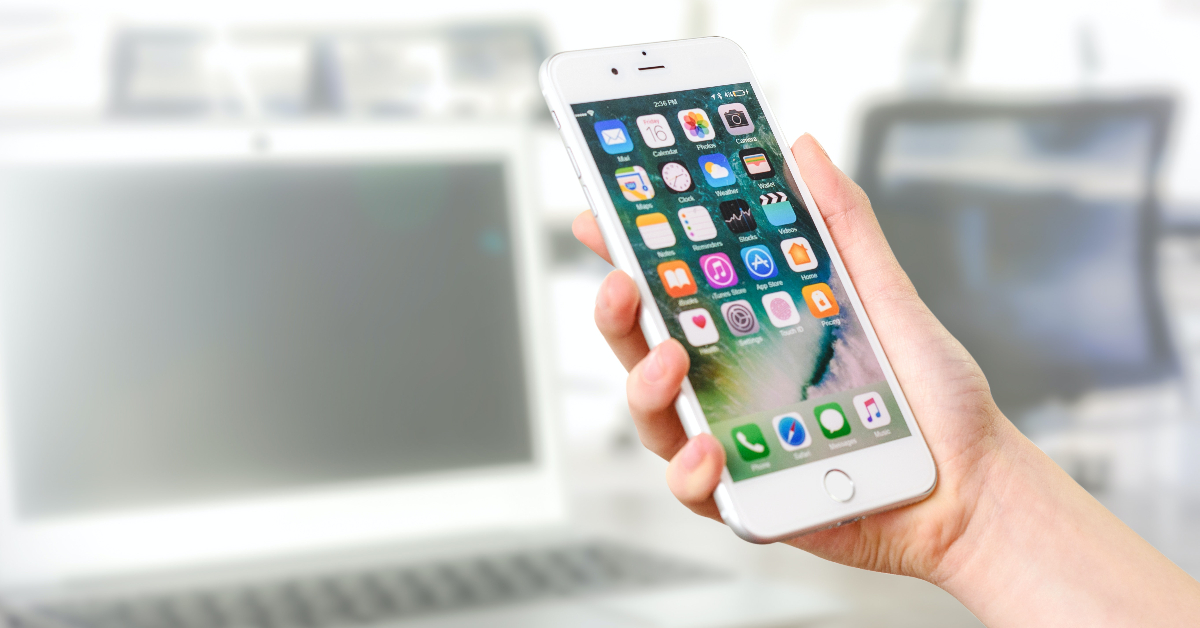
For many residents, including foreigners living in Mexico, the most noticeable part will be the cellphone alert. Compatible phones are expected to make a warning sound, vibrate, and show a message explaining that the alert is only a drill.
The exercise will take place in all 32 states. In many parts of the country, the scenario will focus on earthquakes. In Yucatán, however, authorities are using a hurricane simulation to reflect the peninsula’s exposure to tropical storms.
Why Mexico is testing cellphone alerts
Mexico has long relied on sirens, loudspeakers, radio, television, and official digital channels during emergencies. The cellphone alert system adds another layer.
The system uses Cell Broadcast technology, which can send emergency messages to many phones in a defined area at nearly the same time. It does not work like a normal text message. It is designed for mass public warnings and does not require an app.
That matters in a country where risks vary by region. Mexico faces earthquakes along the Pacific coast and in the central regions. It also faces hurricanes on both coasts, flooding in low-lying areas, volcanic activity, wildfires, and other hazards.
A national drill allows officials to test whether warning messages reach people quickly. It also gives residents a chance to practice what they would do during a real emergency.
What people should expect on May 6
At 11 a.m., compatible cellphones are expected to receive a message identifying the alert as a simulacro (drill). Phones may sound and vibrate even when locked.
People should not call emergency services simply because they receive the alert. The point of the exercise is to practice calmly and follow the emergency plan for the place where they are.
In offices, schools, hotels, and public buildings, the drill may include evacuation routes, meeting points, internal brigades, and head counts. In homes, it can be used to review safe areas, exits, important documents, and emergency supplies.
Residents should remember that alert delivery can depend on the phone, carrier, signal coverage, and device settings. A phone should be turned on and not in airplane mode. Some devices may also require emergency alerts to be enabled in settings.
Why Yucatán is using a hurricane scenario
Yucatán is not known for the same seismic risk as states along the Pacific coast. Its emergency planning is more closely tied to hurricanes, tropical storms, flooding, and high winds.
That is why the state’s drill will simulate a hurricane emergency while still participating in the national cellphone alert test.
This distinction is important for residents of the peninsula. A national alert system does not only serve earthquake zones. It can also help warn people during weather emergencies, evacuations, or other threats.
For expats and long-term visitors, the Yucatán example is a reminder to be aware of local risks. Emergency plans in Mérida, Progreso, or Valladolid may look different from those in Mexico City, Oaxaca, or Puerto Vallarta.
What the drill means for foreign residents
The alert may surprise people new to Mexico, especially if their phone makes a loud noise or displays a Spanish-language message.
The key phrase to watch for is “Esto es un simulacro.” That means “This is a drill.”
Foreign residents should still take the drill seriously. It is a useful moment to learn the emergency routine at home, in a condo building, at work, or in a hotel. It is also a good time to ask building staff where the meeting point is and how alerts are handled.
People who do not speak Spanish well should save key emergency words in their phone. Terms such as sismo, huracán, evacuación, refugio temporal, and protección civil can be used in official notices.
How to prepare before the alert sounds
The simplest preparation is to know what to do before 11 a.m. on May 6.
Residents should check the safest exit route from their home or workplace. They should identify a meeting point outside the building. They should also know where to find important documents, medication, water, pet supplies, and phone chargers.
Families should decide how they will contact each other if mobile networks are busy during a real emergency. In a serious event, text messages and messaging apps may work better than voice calls.
For people in apartment buildings, it is worth asking whether the administration has a written emergency plan. Condos and rental buildings often have many foreign residents who may not understand spoken instructions in stressful situations.
A test of technology and public behavior
The drill is not only a test of phones. It is also a test of public behavior.
Emergency warnings only work if people know how to respond. A loud alert can cause confusion if residents do not understand the message or have no plan.
That is why authorities use drills to measure response times, review weak points, and improve coordination. A school may discover that a stairwell becomes crowded. A business may find that employees do not know the meeting point. A family may realize their emergency bag is missing basic supplies.
Those small lessons are the purpose of the exercise. The goal is not panic. The goal is routine.
What happens after the drill
After the alert, residents should take a few minutes to review what worked and what did not.
If a phone did not receive the alert, users can check whether emergency alerts are enabled. They can also confirm that the phone had a signal and was not in airplane mode.
Workplaces, schools, and building managers should review evacuation timing, accessibility issues, and communication gaps. That is especially important in buildings with older adults, people with disabilities, children, or pets.
The May 6 drill also comes ahead of Mexico’s traditional emergency-preparedness date in September. National drills are often tied to the country’s earthquake history, but the growing use of cellphone alerts makes them relevant well beyond seismic zones.
For residents across Mexico, the message is straightforward. When the phone rings on May 6, treat it as practice for a real emergency.