A 2025 OFAC tally flags 151 Mexico-based people and firms accused of laundering for cartels, freezing assets and choking access to dollars.
The U.S. government has expanded its financial crackdown on cartel-linked networks operating in Mexico, adding a combined 151 people and companies to sanctions lists across a series of actions in 2025. The designations target alleged money launderers tied to major criminal groups, including the Sinaloa Cartel and CJNG, and they carry a blunt consequence: once a name lands on the list, any property in U.S. reach is blocked, and U.S. individuals and firms are generally barred from doing business with them.
The scale matters as much as the accusation. A sanctions label can isolate a person or business from banks, partners, and even routine cross-border payments, because financial institutions tend to treat the risk as contagious. For Mexico, where legitimate commerce constantly brushes up against dollar clearing and U.S. compliance rules, the ripple can travel far beyond the specific targets.
What stands out in this year’s pattern is how broad the alleged laundering ecosystem looks. It is not limited to classic “front companies.” U.S. authorities have pointed to gambling venues, fuel businesses, and tourism-linked operations as alleged channels to move and hide illicit proceeds. They have also framed parts of the push using counterterrorism authorities, a choice that raises the stakes for compliance teams and complicates how the designations are understood outside the United States.
Mexico money launderers and the blacklist that bites
In practical terms, this “blacklist” is the U.S. Treasury’s sanctions machinery, managed through the Office of Foreign Assets Control. When OFAC designates a person or company, it is not a criminal conviction. It is an administrative action that blocks property and restricts transactions under U.S. jurisdiction. Still, the effects can be immediate. Banks often move first, because they do not want to be the place where a prohibited transaction slips through.
OFAC’s reach extends beyond a single name on paper. Treasury guidance also treats companies as blocked if they are owned 50 percent or more, directly or indirectly, by one or more sanctioned people. That matters in the real world, where ownership can be split among relatives, partners, and shell structures. It also means a business can become untouchable even if it was never listed by name, simply because of who controls it.
Several 2025 actions show how U.S. officials say cartel money laundering works when it is dressed up as ordinary commerce. In November, the Treasury Department and Mexican authorities announced coordinated steps aimed at an organized crime group accused of laundering narcotics proceeds through Mexico-based businesses, including gambling establishments and restaurants. Alongside the sanctions, the U.S. Financial Crimes Enforcement Network proposed measures designed to cut off transactions involving 10 Mexico-based gambling businesses from the U.S. financial system, using a tool created under the USA PATRIOT Act to target “primary money laundering concern.”
Earlier in the year, Treasury also used sanctions authorities in a case tied to timeshare fraud operations in and near Puerto Vallarta. U.S. officials described a network of companies and individuals accused of generating revenue through scams that targeted U.S. victims. Treasury Secretary Scott Bessent framed that action as part of a wider effort to hit cartel income streams, saying, “We are coming for terrorist drug cartels like Cartel de Jalisco Nueva Generacion that are flooding our country with fentanyl.” The message was not subtle: Washington is trying to make it harder for criminal groups to convert crime into usable money.
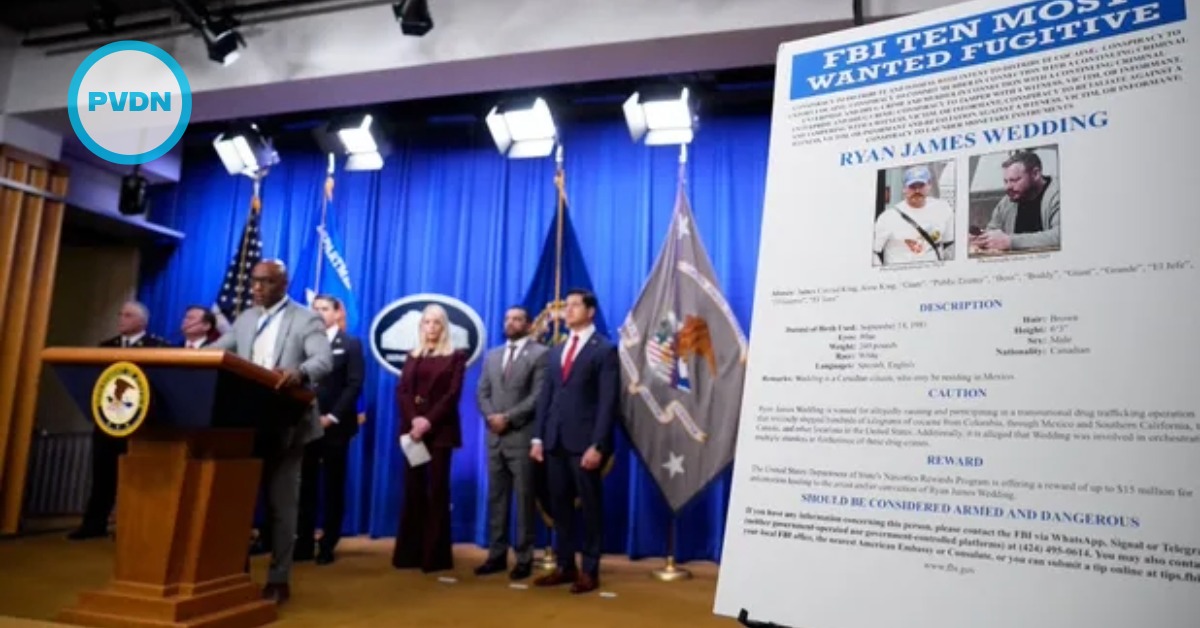
Then, in another late-year action, Treasury sanctioned former Canadian Olympic snowboarder Ryan Wedding and a network of associates and businesses. The public allegations included money laundering methods that blend old-school tactics with modern tools, including the use of cryptocurrency transfers and luxury assets. Treasury named Mexico-based companies linked to a key associate it said provided protection in Mexico, and it described a transatlantic laundering structure that moved proceeds through businesses and high-end property.
Taken together, the 2025 designations show a consistent strategy. The United States is not only chasing drugs and traffickers. It is aiming at the accountants, fixers, and “legit-looking” businesses that allegedly make the proceeds usable.
What the crackdown means for cross-border business
For legitimate businesses in Mexico, the central risk is not only whether a company is accused. It is whether it gets caught in the compliance blast radius. When OFAC sanctions hit a network, banks and counterparties often reassess entire sectors, regions, or customer profiles. That can mean deeper scrutiny for industries that handle large cash flows or have complex ownership structures, such as gaming, fuel distribution, and tourism services.
The U.S. approach also leans on pressure points that do not require arrests. Sanctions can be rolled out quickly, and they can be paired with regulatory measures that make it harder for certain transactions to clear through correspondent banking relationships. That matters because many international payments ultimately touch U.S. systems, even when neither party is American. In practice, being “blocked” can become a financial quarantine.
Mexican authorities have appeared in the background of several announcements, including coordination with Mexico’s financial intelligence unit in at least one Treasury action. That coordination can help build cases and support domestic enforcement. It can also create political tension if U.S. designations land on people or businesses that still operate openly in Mexico, or if communities see the measures as sweeping too broadly.
Another overlooked point is that OFAC sanctions are not necessarily permanent. Treasury itself emphasizes that removal is possible if circumstances change and legal standards are met. That matters for due process debates, but it also shapes behavior. The sanctions system is designed to force a decision: cut ties, clean up ownership, disclose activity, cooperate with authorities, or be cut off from the world’s most important financial channels.
For readers, the most concrete takeaway is simple. The U.S. is signaling that it sees cartel finances as a cross-border system, not a local problem. The 151 Mexico-operating names tied to alleged laundering in 2025 are a measure of that focus. Whether the strategy reduces violence is harder to prove in real time. What is easier to see is the immediate impact on money flows, and the clear warning to businesses that rely on U.S.-linked banking: if you end up on the wrong side of these lists, the doors can slam shut fast.