Mexico’s latest tourism push is aimed less at headlines than at bookings. It comes after security concerns briefly cut hotel occupancy in two key destinations in Jalisco. Now, officials and tourism leaders are trying to keep that fallout from spreading into larger travel decisions. The effort is focused on the United States and Canada, just as Mexico heads toward Semana Santa and the 2026 World Cup. What matters now is whether reassurance can keep pace with the next security story.
The market Mexico is trying to protect
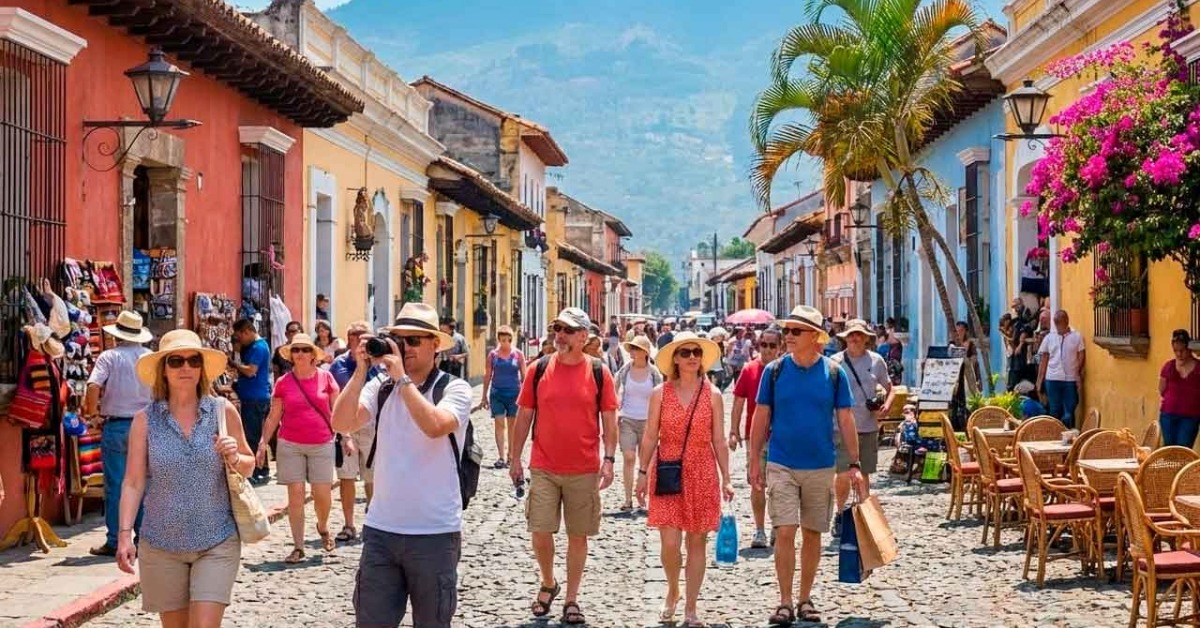
The new tourism image strategy is less about slogans than about protecting bookings from U.S. and Canadian travelers. Officials and tourism executives say the campaign is already underway and targets markets that account for a large share of Mexico’s international air visitors. According to Datatur, residents of the United States made 12.2 million air trips to Mexico from January through November 2025. Residents of Canada made 2.4 million over the same period. That helps explain why the effort centers on verified information, direct outreach, and quick responses when security stories gain traction abroad. For readers who live in Mexico or travel there often, the key point is simple. This is an attempt to stop concerns from turning into canceled trips. The industry is treating perception as part of demand. It is also treating perception as a business risk that can hit destinations before local operators have time to adjust.
When perception starts hitting demand
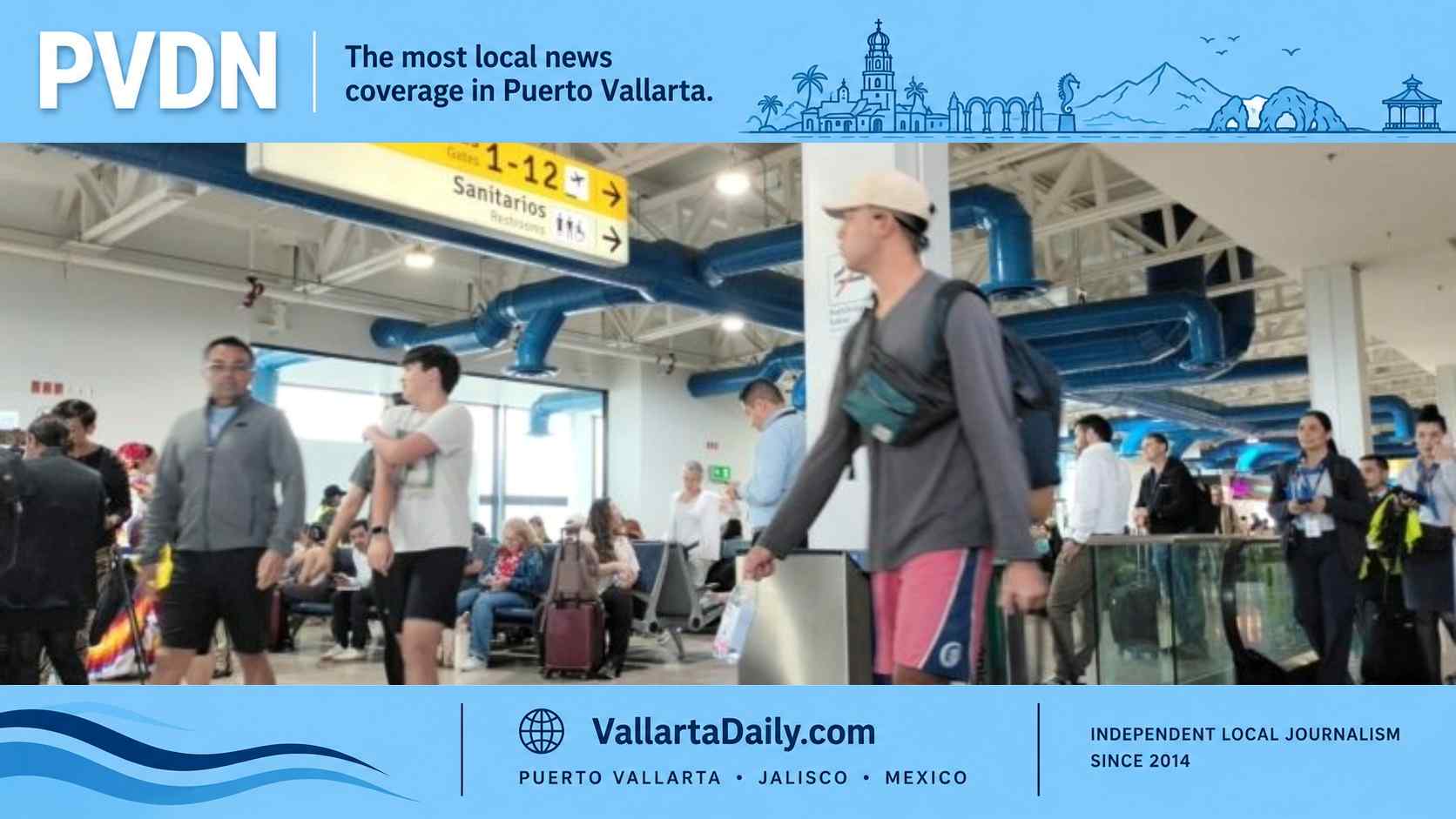
The campaign is not theoretical. Tourism leaders said Puerto Vallarta and Guadalajara saw a 30 percent drop in hotel occupancy in the week after the February 22 violence in Jalisco. They also said the decline eased quickly. Airports kept operating normally, cruise arrivals held steady, and airline disruption lasted only 24 hours. That matters because it shows how security headlines can affect tourism even when the broader system keeps moving. It also explains why the strategy began about two weeks ago and why it is expected to continue through the year. Officials said the federal government and the private sector will share the cost, though they have not disclosed the amount. They also said that the consulting firm Global Nexus was hired to support the work. The message being sent abroad is that Mexico remains open, operating, and ready to receive visitors. The message at home is that communication now sits inside routine tourism management.
Why this matters before the World Cup
The larger issue is timing. Mexico is moving toward Semana Santa, one of the year’s most important travel periods. It is also moving closer to the 2026 World Cup. That means international attention will intensify, and security stories will travel faster. Tourism leaders are still projecting moderate growth in 2026, including a 5 percent rise in foreign-currency receipts and a 4 percent increase in international arrivals. Those forecasts depend in part on the World Cup effect, stronger air connectivity, and steady demand from North America. But the same outlook carries a warning. Perceptions of insecurity, higher operating costs, and weaker promotion could limit gains. That is why this strategy matters beyond a single incident or destination. It is about whether Mexico can protect confidence in its tourism product before a global audience arrives. For expats, repeat visitors, and businesses tied to tourism, that question now sits closer to the center of the travel economy.