Mexico says the path to tech sovereignty runs through labs and factories
In the morning briefing, Science and Technology Secretary Rosaura Ruiz introduced two flagship efforts: Kutsari for chips and Olinia for electric vehicles. The pitch was clear—pair basic and social sciences with engineering to raise living standards and reduce dependence on foreign tech.
Ruiz described Kutsari as grounded in particle physics and quantum mechanics, aimed at high-precision chips and microprocessors. Olinia, she said, starts from a simple promise: make science serve broad well-being and shared prosperity.
Semiconductor and electric vehicle projects
Mexico’s National Semiconductor Design Center is already mapping a timeline. Its sites in Puebla, Jalisco, and Sonora seek a first commercial chip design contract before the year’s end. The center is expected to be self-sustaining by 2030, generating Mexican intellectual property. Talks are underway with Korea’s semiconductor association and European firms, including Siemens, to explore design and fabrication links. These are the stakes: build design capacity now, own value later.
A modular EV for passengers and parcels
Olinia’s lead, Roberto Capuano, outlined a modular platform birthing two models. One is a safer passenger carrier that could replace informal mototaxis. The other is a compact cargo unit for last-mile deliveries in dense cities. Both are fully electric, light, inexpensive to operate, and able to charge on standard household outlets. First vehicle designs will be revealed in September.
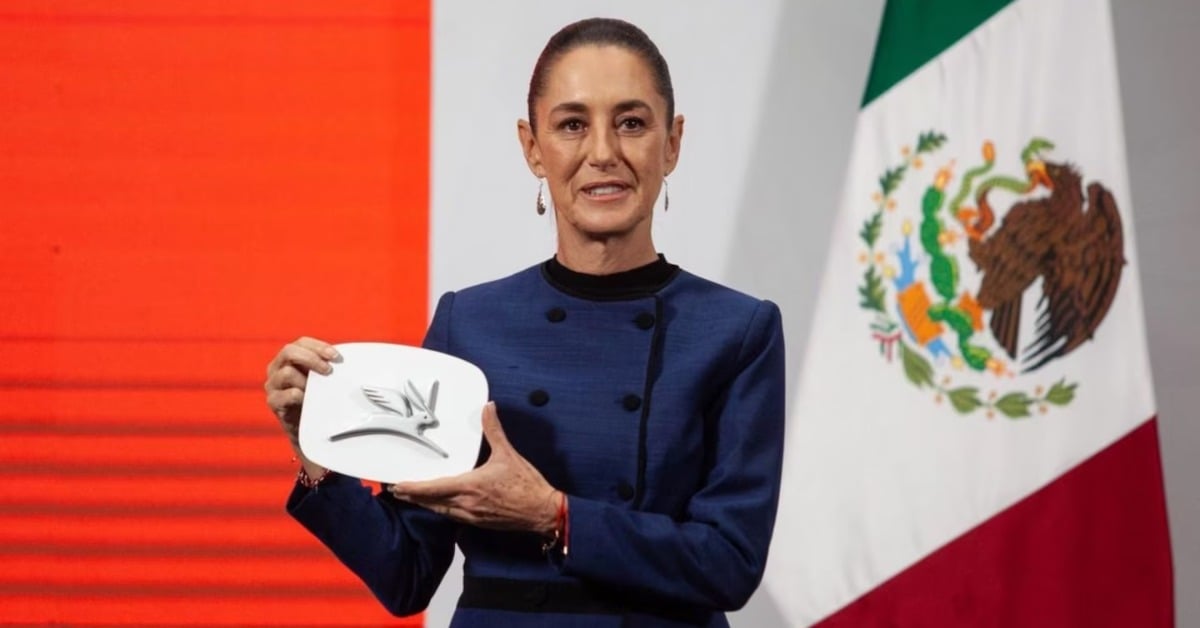
President Claudia Sheinbaum set an aggressive target: start production by mid-next year. The project leans on culture, too. Olinia’s emblem, inspired by a bright alebrije hare, signals agility and a distinctly Mexican identity for the brand.
States in play and a 2030 horizon
Why Puebla, Jalisco, and Sonora? Officials say the mix of universities, technical talent, and existing industry gives the design center a practical base. The 2030 self-sufficiency goal sets a long fuse, but an early commercial contract this year would mark real traction. International talks with Korea’s chip sector and Siemens point to a strategy of co-design and possible fabrication pathways.