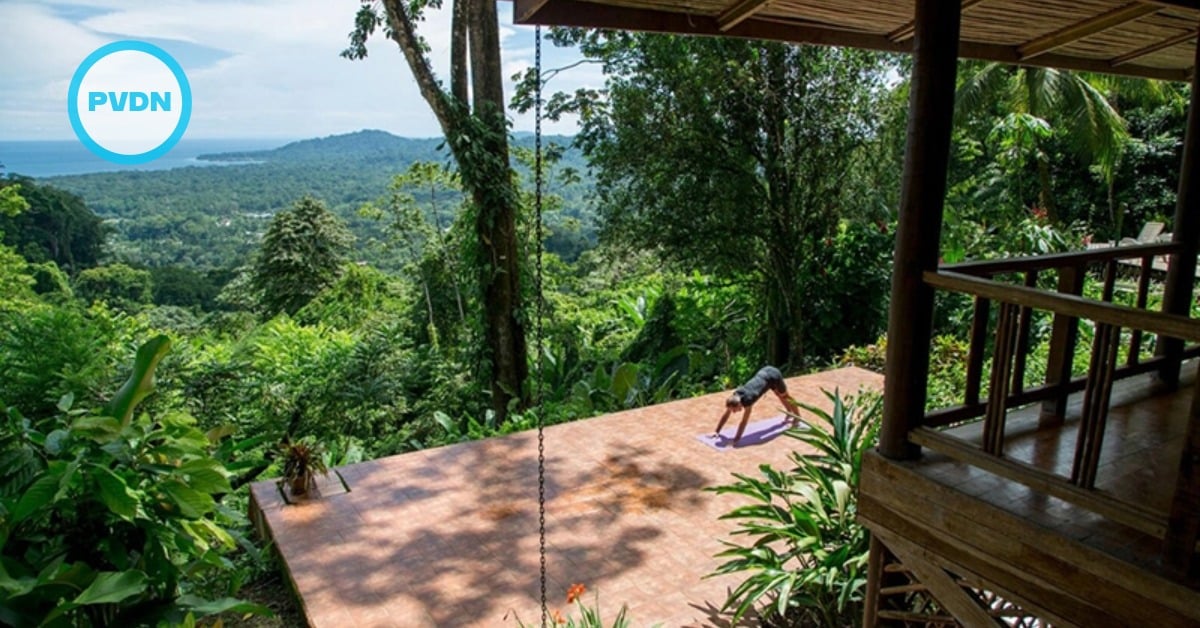
Mexico is riding a wellness and nature travel boom, with glamping, retreats and temazcales turning forests, cenotes and sierras into healing escapes.
Mexico’s classic tourism image used to be sun loungers, cocktails and crowded resort pools. Today, a different picture is taking shape. Cabins in pine forests, yoga platforms above cenotes and simple glamping tents are filling with travelers who want quiet, clean air and a slower pace. This wave of Mexico wellness tourism is no longer a niche; industry data now treats it as a core pillar of the country’s visitor economy.
Market studies estimate that wellness-focused trips in Mexico generated more than 12 billion US dollars in 2024, with analysts forecasting steady growth over the next decade. At the same time, the country’s glamping sector is expanding at double-digit rates as guests seek nature immersion without giving up hot showers or comfortable beds. Together, these trends are reshaping how destinations in forests, mountains and rural communities think about their future.
Mexico wellness tourism moves into the mainstream
Valle de Bravo, a lakeside mountain town in the State of Mexico, offers a clear example. Once known mainly as a weekend escape for residents of the capital, it now hosts holistic resorts built around meditation decks, temazcal steam lodges and spa programs that blend massage with indigenous herbal treatments. Local hotels promote “digital detox” stays, where guests swap traffic noise for bird calls and misty forest walks.
In the Huasteca Potosina region of San Luis Potosí, the draw is water. Travelers arrive for jungle hikes, waterfalls and turquoise rivers, then stay for river-side cabins, community-run tours and adrenaline activities like rappelling and rafting. Visitor numbers have hit record levels in recent seasons, and operators report growing demand for packages that mix adventure with quieter moments such as guided breathing sessions at the foot of waterfalls.
Oaxaca’s highland sierras tell another part of the story. Community tourism projects there host visitors in simple cabins, organize multi-day treks between villages and offer temazcal rituals as part of the stay. For many guests, the appeal is not luxury but the chance to sleep under thick blankets in cool mountain air, eat food grown nearby and learn about local traditions directly from residents.
Healing traditions meet eco-conscious travelers
Mexico’s rise as a wellness destination is not only about scenery. The country’s long-standing healing practices are now front and center in tourism packages marketed abroad. Temazcal ceremonies led by trained guides, herbal baths, massage techniques rooted in Indigenous knowledge and spiritual retreats all feature prominently in brochures.
This aligns neatly with global travelers who want more than a standard spa menu. Many visitors arrive after stressful years, seeking experiences that feel meaningful rather than merely indulgent. They sign up for yoga retreats in the jungle, sound-healing sessions in caves, or cold-water swims in cenotes followed by meditation. Operators highlight traditional elements while also stressing safety, professional oversight and respect for local communities.
The boom in glamping shows how this demand translates into bricks, mortar and canvas. Recent estimates suggest there are now well over a hundred glamping sites scattered across Mexico, from desert valleys in the north to tropical forests in the south. Investors pitch these projects as lower-impact alternatives to large resorts, with fewer rooms, smaller footprints and a closer relationship with the surrounding ecosystem. Many properties market solar power, rainwater capture and waste-reduction practices as selling points, responding to guests who want their stay to align with environmental values.
Promise and pressure for local communities
In rural, nature-rich areas, the growth of wellness and nature tourism has clear benefits. Small glamping sites, eco-cabins and retreat centers generate local jobs in construction, food supply, guiding and maintenance. They also diversify economies that once depended heavily on seasonal agriculture or traditional beach tourism. Some communities have used tourism income to improve basic services, fund local conservation projects or support cultural festivals.
The boom also brings new pressures. Popular cenotes and waterfalls face overcrowding during high season, which can strain fragile ecosystems and create tensions with residents who rely on the same water sources. Authorities in several states have begun tightening rules on visitor numbers, waste management and land use to prevent overdevelopment. In mountainous areas, community assemblies debate how many cabins or retreats they want, weighing economic opportunity against the risk of losing the quiet landscapes that made the destination attractive in the first place.
Tourism officials argue that Mexico’s strength lies in its combination of biodiversity and culture. They describe the country as a “global wellness sanctuary” where travelers can experience, in a single trip, oceanfront yoga, cloud forest hikes, and village-run retreats. The challenge now is to guide that growth so that visitors’ wellness does not come at the expense of residents’ well-being or the environment.
As more travelers choose forest cabins over nightclubs and cenotes over crowded pools, the country’s tourism map is being redrawn. Mexico’s wellness and nature boom is opening new paths into sierras, jungles and rural communities, promising quieter, more conscious travel. Whether this promise holds will depend on how carefully destinations manage the popularity they worked so hard to earn.