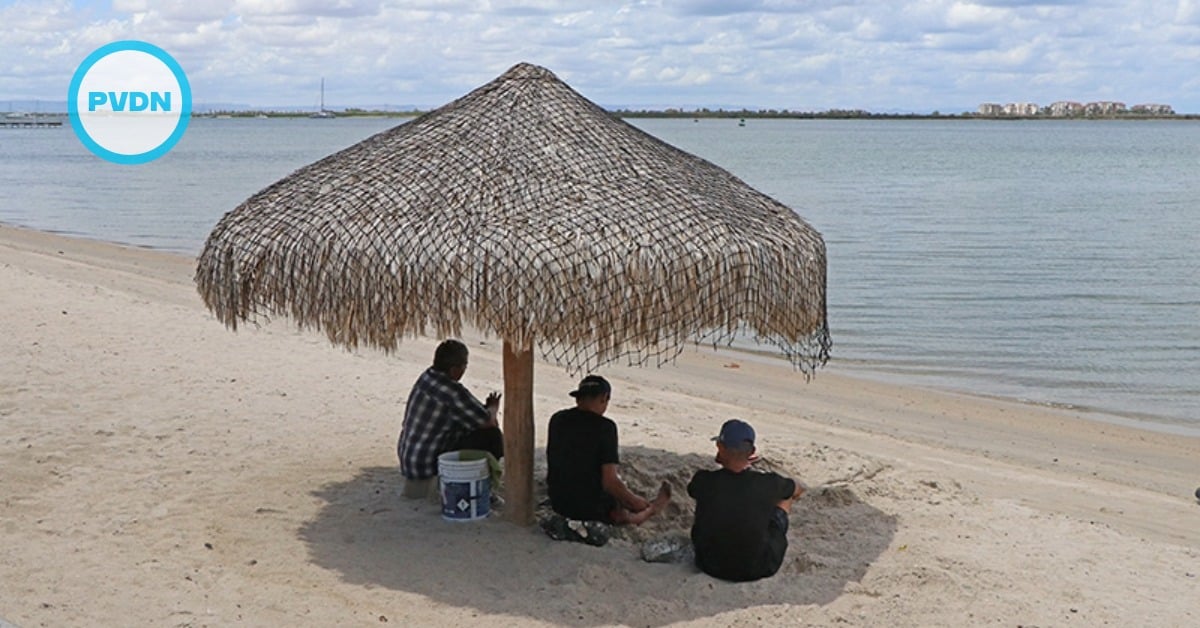
BCS health officials have a simple ask after the cyclone that brushed the peninsula: don’t go in the ocean yet. The state’s four-day window isn’t panic; it’s about letting waves and tides flush out what the storm pushed in—mud, debris, and bacteria—while dangerous currents calm down. Municipal crews kept red flags up in Los Cabos after the swell lingered. COEPRIS teams will test the water and sign off when it’s safe. Until then, the most innovative beach plan might be a no-swim plan.
Los Cabos beach warning
The health authority in Baja California Sur is urging residents and visitors to stay out of the ocean for four days after a cyclone. The recommendation, which applies across the state and includes Los Cabos, aims to reduce stomach, skin, and ear infections that can surge when storm runoff carries mud and waste into the surf. Officials emphasized the four-day window this season as storms stirred arroyos and sent that mix toward popular beaches.
The timing is not arbitrary. After intense rains, tides, and swells, there needs to be time for contaminants near shore to disperse. State health authorities say waiting those 96 hours lowers the chance of diarrheal illness and other infections; they also note that COEPRIS will keep sampling near busy beaches and advise when water meets safety standards again. That same playbook was put in place following recent systems that drenched the south of the state.
Recent weather explains the caution. Priscilla tracked along the Pacific and weakened, but its broad wind field pushed high surf into Baja California Sur, closing ports and beaches for safety while the swell peaked and then slowly eased. Federal forecasters and civil protection authorities flagged powerful winds, heavy rain, and dangerous waves along the coast as the system moved parallel to the peninsula. Municipal beach managers in Los Cabos kept closures and red flags up until conditions settled.
There is also a rip-current story here. Big swell and shifting sandbars in Priscilla’s wake create unpredictable currents, even when the sun returns. National and local advisories tied to this storm cycle called out elevated surf and the risk that comes with it, particularly around headlands and inlets. That is another reason the state’s health guidance pairs neatly with the safety side: the ocean can look inviting before it is actually safe.
What the four days actually protect against
Mexico’s federal sanitary agency (Cofepris) tracks beach water quality using enterococci levels in 100 milliliters of seawater, with 200 NMP as the line where beaches move from “apt” to “not apt.” After heavy runoff events, nearshore samples can spike temporarily before waves and tides dilute the plume. A spring 2025 national bulletin highlighted how most beaches remain safe, but that localized trouble spots emerge around outfalls and river mouths—precisely the areas storms activate.
In Baja California Sur, state health officials have been consistent about that waiting period. In past hydrometeorologic events, they have advised four days statewide, and in specific scenarios have even stretched recommendations toward five days for hot spots in Los Cabos and La Paz, pending water tests. The message is to let the ocean do its cleanup and then return once the samplers give the all-clear.
For travelers and locals, the practical move is simple. Respect red flags and municipal notices while the swell drops and COEPRIS posts updates. If you do head to the sand, keep it to walks and photos until lifeguards pull the warnings and the state confirms beaches are safe for contact again. The sea isn’t going anywhere, and waiting those four days can turn a risky swim into a good vacation story instead of a hospital visit. Los Cabos beach warning may sound dramatic; in practice, it’s just smart timing.