Sea lions have become familiar faces around Cabo’s docks and beaches. But this month, several were spotted dragging fishing line or looking dangerously weak. What followed was a fast, coordinated response that moved from Cabo San Lucas to protected islands near La Paz. The details reveal how quickly a thin strand can turn into a life‑threatening problem, and why citizen reports matter. It also raises a blunt question for anyone who boats, fishes, or walks the marina. How much of this is preventable?
Rescues across Los Cabos and La Paz
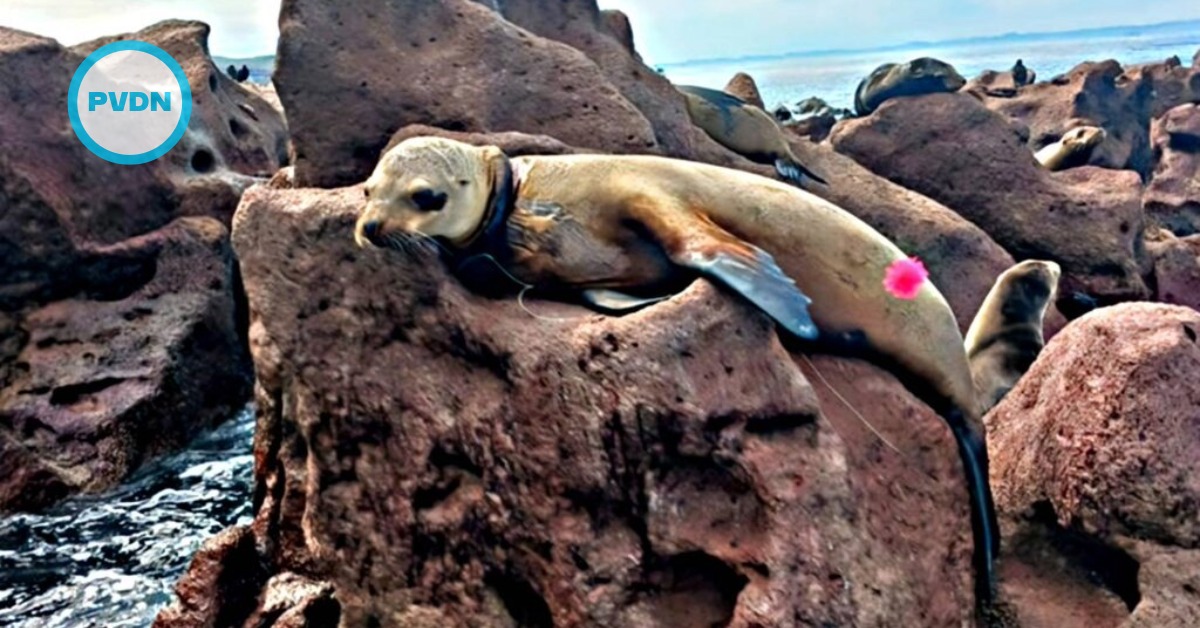
Profepa, Mexico’s environmental enforcement agency, says teams responded to citizen reports from February 6 to 8 in Los Cabos and La Paz. Its full name is the Procuraduría Federal de Protección al Ambiente. Officials say five California sea lions (Zalophus californianus) were assisted in three disentanglements and two rescues, requiring transport for care. The work involved the Navy, protected-area staff, and local rescue groups used to handling stressed marine mammals. Among the cases, a sea lion in Cabo San Lucas’ protected area had fresh lacerations caused by fishing line. After crews removed the line, the animal was taken to La Paz for specialized veterinary treatment. In the Espíritu Santo archipelago rookery, two females were found with line and netting around their bodies. Both were disentangled on site, before the material could cut deeper or snag again. Back in Cabo San Lucas, a young female showed clear signs of dehydration. She was recovered and transported north for monitoring and rehydration. Profepa says it will follow each case and keep responding to new reports.
Why a thin line can be deadly
Entanglement is rarely dramatic at first. A loop of monofilament can look like a loose necklace. Then it tightens with every dive and every meal. Over time, it can cut into skin, restrict movement, and trigger infection. Animals may struggle to swim or feed. Some end up dehydrated or exhausted, especially around warm, busy harbors. Rescuers say the problem often starts with ghost gear. That is lost or discarded line, hooks, and net fragments that keep fishing after people leave. Cabo’s marinas, beaches, and reefs are easy places for that debris to snag and drift. At rocky haul‑out sites like Los Islotes, the terrain makes close work risky for everyone. Rescuers aim to cut the material fast, limit stress, and release the animal once it can move freely. For many expats, it is a reminder that wildlife shares the same space as sportfishing and tour boats. The Sea of Cortez also hosts major sea lion rookeries, including protected sites near La Paz that draw snorkelers year-round.
When you see an animal in trouble
If you spot a sea lion trailing a line, the instinct is to help fast. Experts warn that a stressed sea lion can bite and thrash without warning. It can also panic and drag the line deeper if it is chased. The safest move is to keep your distance, note the exact location, and call for trained help. In Cabo San Lucas, the Navy has urged the public not to touch or crowd marine wildlife. The Sector Naval de Cabo San Lucas shared the phone number 624-143-33-97. For emergencies at sea, it also promoted 800 MARINA 1, which is 800-627-4621. A clear description matters. Say whether the animal is in the water, on a pier, or hauled out on sand. If you can do it safely, a photo taken from far away can help responders identify the gear. The takeaway is simple. Your call can start a rescue, and your distance keeps it from becoming a second emergency.
The bigger effort behind the scenes
These February rescues did not happen in a vacuum. In January, Profepa renewed a partnership with the nonprofit Cabet Cultura y Ambiente to expand a Gulf of California disentanglement network. The program has built protocols and trained teams along the coast. Organizers say that work has freed 106 sea lions over roughly a decade. The California sea lion is listed under Mexico’s NOM-059 wildlife protection standard. They also report a record 35 disentanglements during 2025. In Baja California Sur, the Marine Wildlife Rescue Center in La Paz is a key stop for recovery. It handles cases that need fluids, antibiotics, or wound care before release. During the February operations, officials worked with the Navy, protected-area staff, and community observers who first flagged the animals. For coastal communities, that capacity matters as tourism and fishing continue to coexist. It also shifts the conversation from one-off rescues to prevention. Retrieving lost lines and securing trash on boats can reduce the chance that a thin strand turns into a tightening noose.