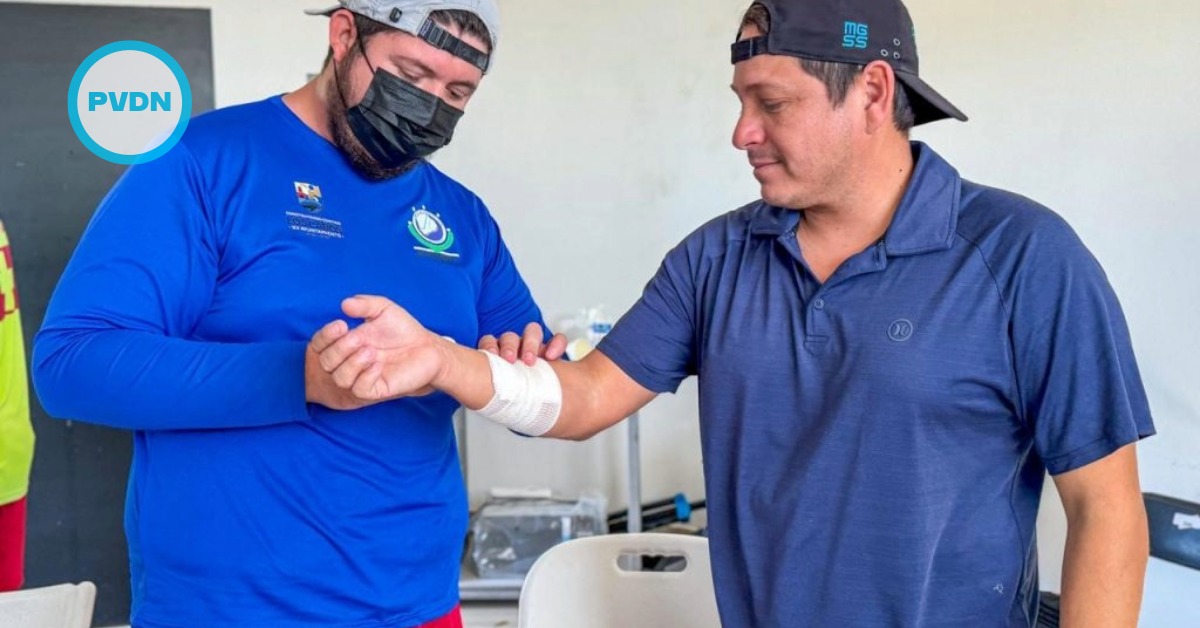
A familiar hospital name just stepped onto the sand in Los Cabos. ZOFEMAT lifeguards recently trained with Saint Luke’s paramedics, drilling the moments that matter most before an ambulance arrives. Officials say the focus was first aid and first-responder protocols, but the subtext is bigger than one course. It points to a push to tighten beach safety from the lookout tower to the handoff in the ambulance. What does that look like in practice, and what should residents and long-stay visitors watch for?
A first-responder mindset on the sand
In Los Cabos, ZOFEMAT lifeguards are often the first uniformed help people see when something goes wrong in the water. That reality shaped a recent first-aid course delivered by Saint Luke’s paramedics to the municipal beach team. The session focused on the lifeguard’s role as a first responder and the need for consistent decision-making. In plain terms, it is about what to do before an ambulance arrives and in what order. Organizers described the training as part of an effort to professionalize beach operations and raise safety standards for residents and visitors. Municipal officials tied the initiative to Mayor Christian Agúndez Gómez’s public-safety agenda. They also stressed coordination, because the handoff from sand to medical transport is where time can be lost. Saint Luke’s is a private hospital group with facilities in Cabo San Lucas and San José del Cabo. Its paramedics regularly handle urgent calls in the area. Placing that experience in a beach setting is meant to strengthen the first link in the emergency chain. For a destination built around the shoreline, those first minutes are not a detail. They are the difference between a close call and a life-changing outcome.
What paramedic training adds to beach response
A lifeguard’s job is not only pulling someone from the surf. It is also recognizing when a rescue has become a medical emergency. Paramedics tend to teach this as a repeatable process that reduces guesswork under pressure. You start with the basics and move fast, checking responsiveness and breathing. You look for signs that point to trauma or serious distress, then you act and call for support. Just as important, you learn to keep a scene organized when bystanders are emotional, and the shoreline is crowded. That is where protocols matter, because they create a shared language between beach staff and medical teams. When everyone uses the same steps, information is easier to pass along, and less is lost in translation. This approach also helps with everyday incidents on hot, busy beaches, not just in dramatic rescues. For expats and long-stay visitors, it is a quiet upgrade in peace of mind. It means the people scanning the water are also trained to stabilize and hand off care with confidence.
Training that fits a wider safety strategy
The lifeguard course also fits into a broader safety strategy that extends beyond training. In late January, ZOFEMAT began installing new lifeguard towers at strategic points along the coastline. The first tower went up at Costa Azul beach in San José del Cabo. It is a high-use stretch for locals and visitors. Officials said the goal is simple visibility and faster reaction when conditions change. A higher vantage point expands the field of view and can shorten the time it takes to spot trouble. On a long shoreline, even short-term gains matter. Pair that visibility with standardized first-aid protocols, and the system becomes more consistent end to end. It is no longer just a watchtower and a whistle. It is a coordinated response network with clearer roles and fewer improvisations. Municipal leaders have framed these steps as part of protecting residents, safeguarding tourism, and maintaining orderly beaches. In a place where the ocean is the main attraction, safety work is also reputation work.
What beachgoers should take from this
For beachgoers, the takeaway is not that risk disappears. It is that the first response on the sand is being treated like a system. That makes your own choices even more important, especially if you are new to the area. Try to swim near staffed zones and pay attention to warning flags and posted notices. If you are unsure about the conditions, ask a lifeguard before you enter the water. Strong currents and sudden shorebreak can surprise confident swimmers, including people used to calmer seas. If you see someone struggling, get help quickly and point responders to a clear landmark. Do not assume others have called, and do not turn a rescue into two emergencies. For expats who spend weekends on the coast, it helps to know the nearest beach access points. It also helps to quickly describe your location. It helps to keep basic emergency numbers saved, even if you rarely use them. Training like this works best when everyone on the beach takes prevention seriously.
With information from Diario El Independiente, H. XV Ayuntamiento de Los Cabos, BCS Noticias, Palabra BCS, Saint Luke’s Hospitals, Yelp