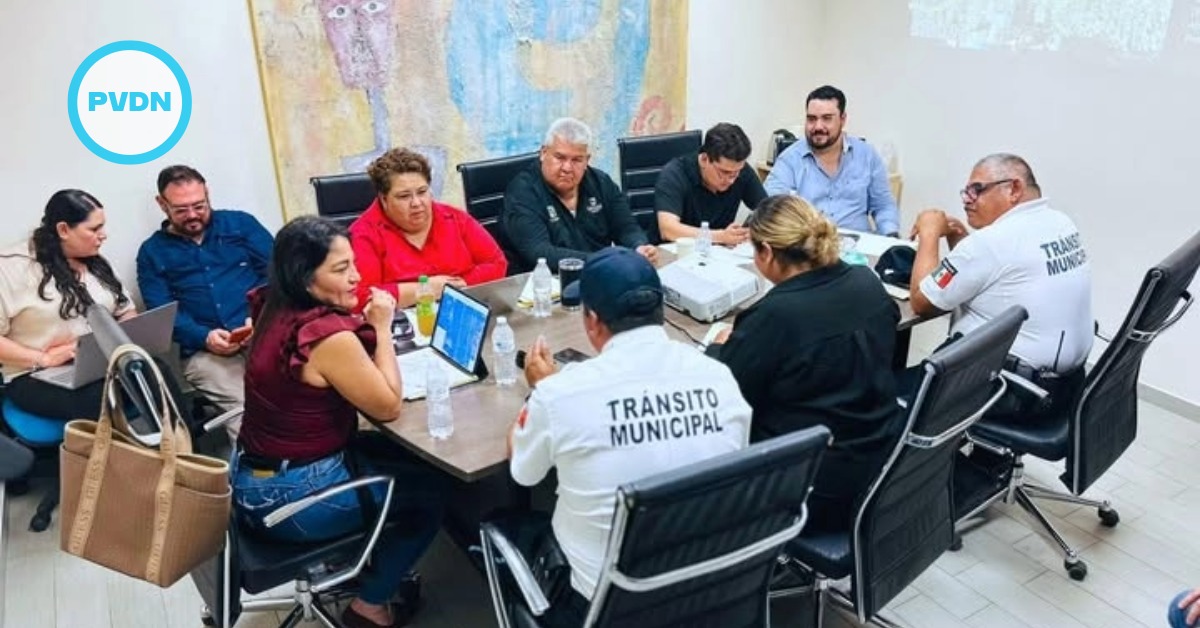
San José del Cabo drivers will soon see traffic flowing in new directions on four familiar streets. On October 23, 2025, local leaders outlined a three-stage reordering of traffic that starts with targeted one-way reversals, new signage, and shifts to public transport stops. The city says the changes are meant to unclog chronically jammed blocks while keeping pedestrians safer around busy corners. San José mobility plan is the phrase you’ll hear at City Hall—and it signals a bid to tackle daily gridlock without waiting for long builds to finish. The municipal government summarized the first stage after a working session led by regidora Valerie Olmos.
Four corridors are slated for the first wave. Rodrigo Aragón would run east-to-west. Roberto Palacios Magro would flip west to east. José Antonio Castro Guluarte would run east to west. Abelardo Rodríguez would switch from west to east. That re-patterning focuses on blocks that funnel drivers toward the center, where backups cascade from one intersection to the next. The plan also calls for new wayfinding and no-parking signs and for moving several bus stops so buses no longer trap cars in the only through lane.
City officials describe the work as a three-stage rollout. The first stage focuses on quick wins: direction changes, signage, and bus-stop relocations. Later phases would expand to nearby connectors once traffic responds to the initial flips. The goal is a faster commute with fewer sudden lane changes and safer crossings for people on foot. Timing is sensitive; crews need to install signs and notify drivers before the switch becomes real. The municipality has not published a hard start date for the reversals but says the follow-up stages will proceed “as soon as possible.”
Local outlets that sat in on the briefing reported the same four streets and directions, and emphasized the three-stage structure. Their coverage mirrors what City Hall presented and adds that multiple departments—Transport, Traffic, and Road Safety—are coordinating the rollout so buses and private cars do not collide at the curb. That alignment matters; if stop relocations lag the direction flips, the bottlenecks move half a block. Coverage by BCS Noticias captured those specifics and the rationale for tackling the most clogged blocks first.
What this means on your block
If you drive these corridors daily, expect your muscle memory to betray you in the first week. The city plans to lean on big, early signage and painted arrows so the new flows are obvious before you turn. Bus riders should watch for temporary notices at stops and be ready to walk a bit farther while platforms and shelters move. Officials argued that moving stops away from pinch points will keep through-lanes open and reduce the risky dash around idling buses—one of the most common near-misses in the center.
The plan doesn’t exist in a vacuum. All year, construction tied to the Glorieta Fonatur underpass has funneled drivers into fewer workable paths between San José del Cabo and Cabo San Lucas. That project is still advancing and promises an eventual relief valve, safer crossings, and a continuous link under the roundabout. Until then, targeted street flips and stop relocations are the city’s short-term pressure release. For background on the underpass—including its 780-meter segment, new crosswalks, and a bidirectional cycleway—see the municipal project page for the Glorieta Fonatur works.
City Hall’s pitch is straightforward: fix what can be fixed now, then measure and adjust. They say the three-stage structure allows them to watch how drivers actually behave, not how engineers think they will. If the first moves loosen the knot downtown, the second and third stages push the gains outward. If they create a new choke point, signage and stop placements can be tweaked before concrete is poured. For commuters, the practical advice is simple—follow the arrows, watch for new no-left-turn signs, and give buses room to merge as stops shift.