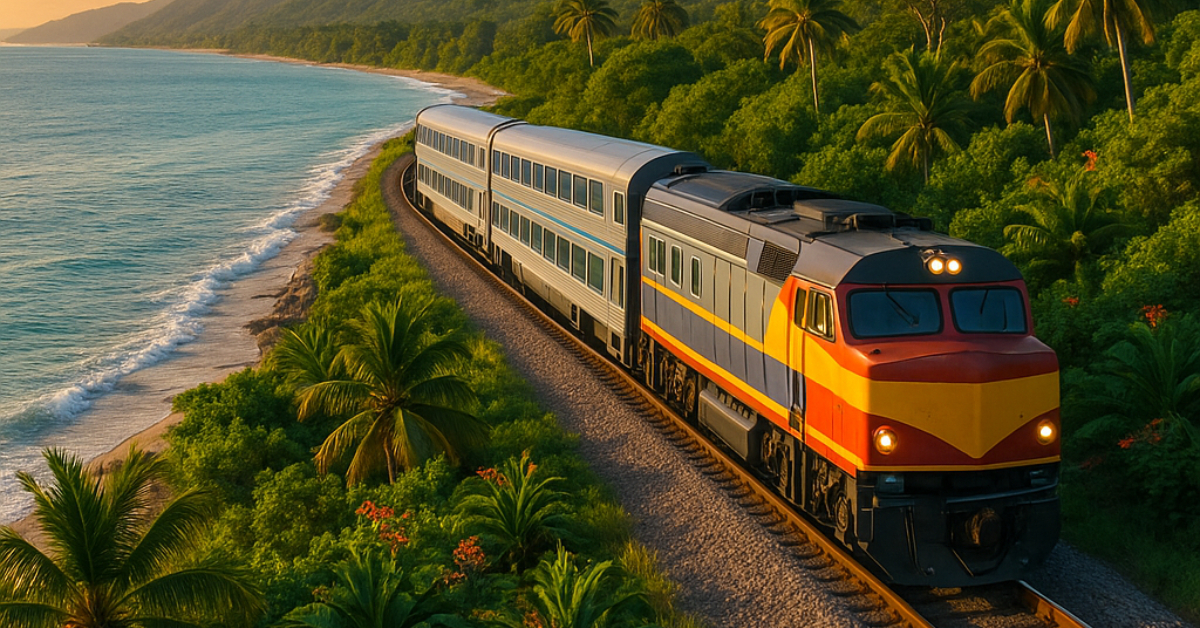
Business chambers revive plan for a Pacific coast tourist train linking Mazatlán and Acapulco through Puerto Vallarta, aiming to boost development in over 45 destinations along Mexico’s coast.
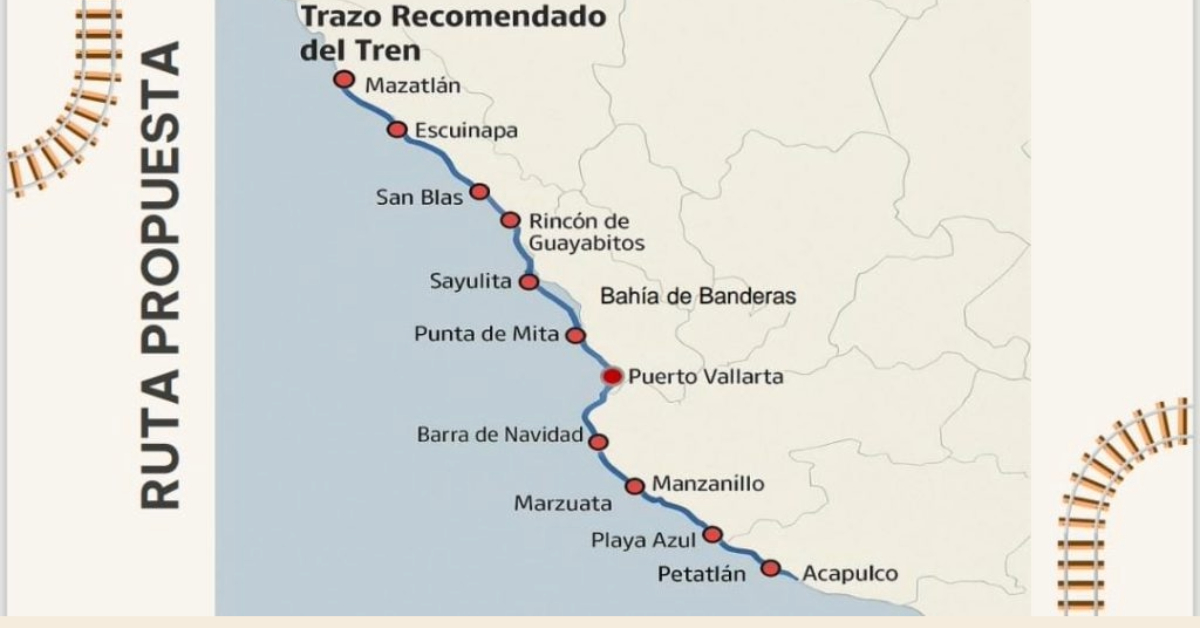
Business chambers Canacope and Canaco in Puerto Vallarta and Bahía de Banderas have revived an initiative to build a Transpacific tourist train connecting Mazatlán, Sinaloa, to Acapulco, Guerrero, with stops in major hubs like Puerto Vallarta and Ixtapa as well as smaller towns rich in culture and nature. The train would span more than 1,200 kilometers along Mexico’s Pacific coast and serve over 45 tourist destinations. Sponsors say this system could spark economic and social growth in coastal communities that have long lacked efficient land connections and help spread tourism benefits more evenly.
Economic and social impact of a Pacific coast tourist train
According to the Ministry of Tourism (Sectur), the Mazatlán‑Acapulco corridor accounts for more than 35 percent of the national hotel occupancy rate. Puerto Vallarta and Bahía de Banderas report annual occupancy rates exceeding 70 percent. Chamber leaders point to these figures as evidence of strong and growing demand for an integrated rail option that connects beach resorts, cultural towns and emerging destinations.
Carlos Iván Gómez, president of Canacope in Puerto Vallarta and Bahía de Banderas, noted that the rail tourism model has proven its value with the Mayan Train. “A Pacific coast tourist train has an even greater chance of success given the number of beaches and cities it would connect,” he said. Project backers estimate the line could generate more than 20,000 direct and indirect jobs in construction, hospitality, complementary transport, commerce and local tourism services. By linking towns in Michoacán and Guerrero, the train would open up marginalized areas and bring artisan cooperatives, traditional cooks and ecotourism guides into the regional market.
Today, travelers rely on private vehicles, buses or flights that bypass many coastal towns. A unified rail network would reduce travel times, improve safety on winding coastal roads and integrate destinations often overlooked. Stops would include established cities like Mazatlán, Puerto Vallarta and Ixtapa, as well as smaller hubs such as San Blas, Maruata and Petatlán, giving visitors a chance to explore a wider slice of Mexico’s Pacific heritage.
Rail travel offers a cleaner alternative to road transport. By deploying hybrid or electric trains, planners could cut emissions per tourist by up to 60 percent compared with cars or buses. Regulated resort planning along the rail line would prevent unchecked urban sprawl, protect fragile coastal ecosystems and channel growth toward eco‑friendly, community‑based tourism.
Although no detailed budget exists yet, business chambers propose a mixed‑finance model using private trusts, 30‑year bonds and loans from export credit agencies—an approach similar to other major infrastructure projects. A phased rollout could begin with the busiest segments, such as Mazatlán to Puerto Vallarta, to demonstrate viability and build momentum for the full route to Acapulco.
If chambers secure support from Congress and the federal government, they hope to launch studies, environmental reviews and public‑private partnerships before the next administration takes office. Local leaders, tourism operators and community groups say they stand ready to collaborate on design and planning to ensure the route highlights both marquee destinations and hidden gems along Mexico’s Pacific coast.
tourist train, Pacific coast, Mazatlán, Acapulco, Puerto Vallarta, Bahía de Banderas, Sectur, sustainable tourism