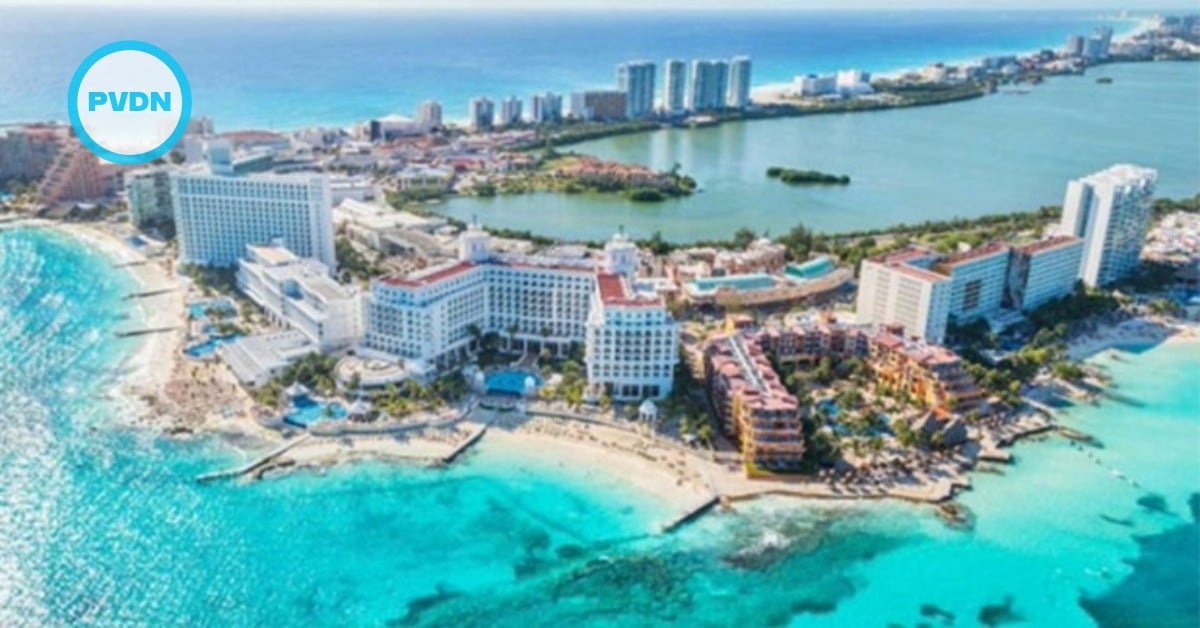
Cancún says its next Urban Development Plan will keep every beach entrance public and free, an answer to years of confusion in the Hotel Zone and alongside streets. City officials also say the update will improve ramps and sidewalks, making the shoreline easier to reach for everyone. The pledge aligns with Mexico’s federal law, which already forbids beach blocking, yet the details will matter once the whole plan is drafted and opened to public scrutiny. Residents and visitors will be watching how the city delivers.
Cancun beach access
Cancún is moving to hard-code the principle long promised in law but often tested on the ground: Cancún beach access stays free, public, and open. The city’s incoming update to its Urban Development Plan (PDU) will recognize all beach entry points as public, according to Nahielli Orozco Lozano, the municipal secretary of Urban Ecology and Development. Officials say the plan pairs access rules with improvements to universal accessibility, making it simpler and safer for everyone to reach the sand.
The commitment matters because city zoning can either protect or choke off pathways that cross private parcels to the coast. In this case, the municipality says it will keep those corridors open and bring ramps, sidewalks, and bus stops up to standard, in line with disability norms. The pledge echoes the municipal announcement that the PDU will align with federal rules and treat every entrance as free and open to the public.
Mexico already drew a bright legal line in 2020 by reforming the General Law of National Assets to guarantee free, permanent access and transit on the country’s beaches, with fines for anyone who blocks the way. The federal maritime zone is public domain; concessions cannot be used to wall it off. The city’s PDU can’t rewrite that federal law—but it can make the local map work for it by preserving and signposting access routes through adjacent lots. See the official reform to the General Law of National Assets for the national baseline.
The promise also lands in a region where access fights have flared. Along the Riviera Maya, hoteliers and operators have faced criticism and enforcement for barriers, fees, or security checkpoints that complicate public entry—even though beaches aren’t private. Recent coverage out of Tulum underscored how restrictions spark backlash when they clash with the law and local expectations. Those tensions are a reminder that rules must be matched by day-to-day compliance and monitoring on the sand.
Not everyone is convinced Cancún’s paperwork will perfectly match its rhetoric. The civil group Derecho a un Medio Ambiente Sano (DMAS) has warned that in past drafts some beaches appeared labeled as “tourist services,” a designation they argue can dilute the idea of “public beach” in practice. City hall says the new PDU will keep access open and free; environmental advocates say they will read every map line when the document is published. That watchdog pressure is healthy—and overdue.
What changes and when
The update is still in the works. Local outlets report the city aims to push the plan through a public process before final approval, a step that will test whether the legal language, zoning layers, and signage standards truly protect on-the-ground access. For now, the most current adopted PDU documents on the city’s transparency portal date from 2022, underscoring that residents should expect a formal release and consultation phase before any new map becomes binding.
If Cancún gets this right, beach days become less of a scavenger hunt. Clear, legal access points would be preserved in zoning, ramps and sidewalks would be fixed, and the federal guarantee would finally feel real at street level. If it stumbles, the city will hear about it—from neighbors, from tourists, and from federal inspectors tasked with ensuring that no one treats a national asset like a private backyard. For a destination built on the Caribbean shoreline, that follow-through may matter more than any slogan.