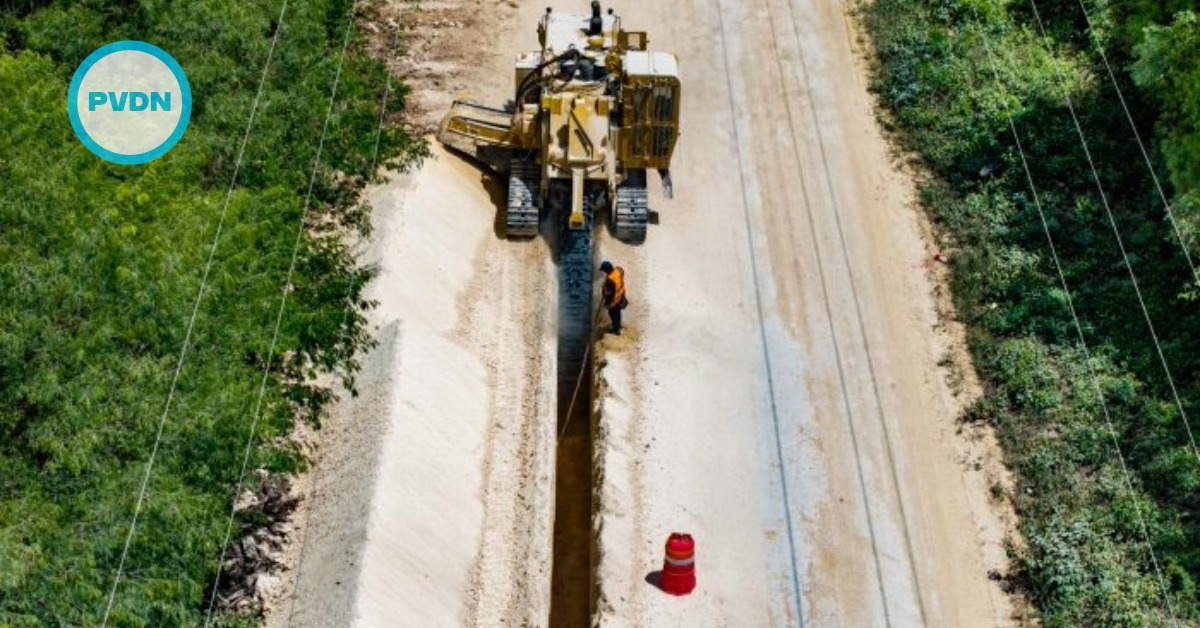
Cancun developers warn that strained power and water networks, short by over one billion pesos, could stall 65,000 planned homes.
Cancun is racing to add tens of thousands of new homes, but builders say the basic wiring and plumbing are already at capacity. Power cuts, low water pressure and saturated lines are no longer just an inconvenience for existing neighborhoods. They now threaten future projects that the city is counting on to keep up with migration, tourism and federal housing plans. Officials talk about new tanks and a mega aqueduct, but the funding gap remains wide open.
The north of Quintana Roo has become one of Mexico’s busiest housing fronts. Developers plan about 65,000 new homes for Cancun and nearby municipalities over the next three years, from social housing to middle-class and residential projects. Business groups say the city is already placing more than 8,000 Infonavit mortgages and around 4,000 bank loans a year, while foreign buyers continue to arrive for apartments and vacation homes. The construction pipeline is long; the basic infrastructure behind it is not.
In recent years, state and federal programs have turned Quintana Roo into a flagship for new “Vivienda para el Bienestar” developments. Thousands of additional units are planned for this sexenio in the state. That ambition now runs into a stubborn constraint beneath the streets: aging power lines, saturated transformers and water systems that cannot guarantee service for existing neighborhoods, much less for entire new subdivisions.
Cancun housing infrastructure deficit
Housing developers estimate that Cancun faces a Cancun housing infrastructure deficit of more than one billion pesos in basic works, mainly electricity and drinking water. The local president of the National Housing Developers Chamber says the city is at a “critical point” after seven or eight years without major investment in new electrical substations. The result, he warns, is a network that trips into blackouts, with overloaded lines that leave little capacity for future housing projects.
Developers argue that the cost of new electrical infrastructure cannot simply be passed on to buyers, especially in social housing, where prices are tightly regulated. If companies are forced to absorb those costs alone, many projects become unviable. Industry leaders are now working with the Federal Electricity Commission on a dedicated commission to map out priority works. However, they acknowledge that there is still no firm schedule or funding package on the table. For families waiting on a mortgage approval, that uncertainty is invisible but decisive.
Water is the other weak link. The rapid expansion of areas such as Guayacán has exposed what residents have long experienced: low pressure at peak hours, intermittent cuts and the need to rely on tanker trucks in some corners of the city. Business owners in newer corridors have even turned to private wells to guarantee supply. For a Caribbean tourism hub that markets itself as a modern destination, the image of neighborhoods filling rooftop tanks in the early morning is a reminder of how fast growth has outrun planning.
The local housing chamber points to the need for a new “mega aqueduct” on the continental side of Isla Mujeres, where much of Cancun’s urban expansion is concentrated. The project alone is estimated at around one billion pesos. That figure is on top of smaller upgrades already underway, such as new tanks and distribution works announced by the city’s private water concessionaire this year. While those ongoing projects aim to stabilize service for hundreds of thousands of residents, developers say they only chip away at a much larger shortfall.
State planning documents show how deep the gap runs. As recently as 2020, more than one in seven homes in Quintana Roo still lacked piped water inside the dwelling, and over a quarter were not connected to a public sewer network. Those numbers speak to a historic lag in basic services, even before the latest wave of housing construction. Without a step change in investment, the risk is that new families will receive keys to homes that depend on fragile systems from day one.
Developers weigh delays and rising costs
For now, developers are still signing land deals and sketching out new neighborhoods. In private, though, many admit that they may have to slow construction if the main power and water projects do not move soon. Some warn that they could redirect investment to other municipalities or states where the basic network is more robust. That would leave Cancun with the worst of both worlds: a housing deficit that keeps prices high and an infrastructure bill that grows each year.
Authorities insist they are working with the housing industry to keep projects on track. The state’s territorial and urban development agency has highlighted closer coordination with the private sector to push “ordenado” growth and expand access to dignified housing. Water operators point to a multi-year investment plan that includes new tanks, pipelines and valves to improve pressure and protect existing infrastructure. Yet the amounts announced so far, in the tens of millions of pesos, still fall far short of the billion-peso gap flagged by developers.
For families, the stakes are simple. Without enough new housing, more workers will be pushed to distant suburbs or informal settlements, stretching commute times and deepening inequality between tourist zones and peripheral colonias. If projects go ahead without the promised upgrades, residents face a different burden: repeated blackouts, dry taps and the cost of backup systems that many households cannot afford. Either way, the weakest infrastructure tends to fail first in low-income areas.
Cancun’s boom has always rested on an unglamorous foundation of pipes, cables and pumps that most visitors never see. Those systems now need the same urgency that the city gives to airport expansions and hotel towers. The coming months will show whether power and water projects move fast enough to keep pace with the housing push, or whether builders start to walk away from the most ambitious plans. For the people already living with outages and low pressure, the message is clear: without a serious fix to the city’s basic infrastructure, the lights in many new homes may never come on.