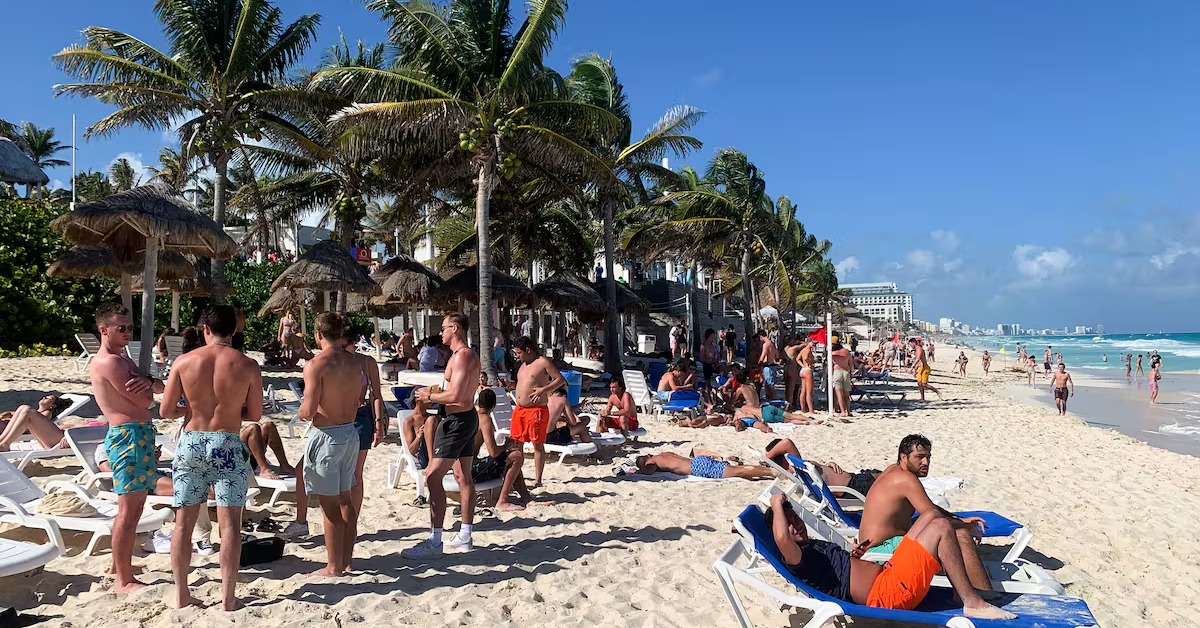
Cancúnis entering another busy stretch, but the latest tourism push goes beyond beach season. Officials say early 2026 demand has held firm. They point to Spring Break bookings, strong regional occupancy, and 2026 event planning as reasons the destination continues to pull visitors. The case is not only about student arrivals. It is also about air connectivity, a wider events calendar, and a push to position Cancún as a practical gateway for travelers moving through Mexico during the FIFA 2026cycle.
Strong demand before Easter
The latest tourism message gives Cancún a useful headline. The deeper story is the demand underneath it. National officials say the first seven weeks of 2026 brought a 3 to 4 percent rise in hotel tourist arrivals across Mexico’s top 20 destinations. Quintana Roo’s ground numbers also look firm. State officials reported average hotel occupancy of 85.4 percent in the Mexican Caribbean from February 21 to 28. They also reported about 574,706 visitors during that same stretch. Those figures suggest the destination is not relying on a single holiday spike. Cancún is entering March with strong base demand, active air service, and room to absorb another wave of visitors. For people living in Cancún, that matters. It affects traffic, staffing, and local services before the Easter rush.
Spring Break still fills rooms
That brings the focus back to Spring Break, which still matters for Cancún’s short-term outlook. Local officials say some hotels were already showing reservations above 90 percent in early March. Some forecasts also placed overall occupancy between 90 and 95 percent as the season builds. Estimates for student arrivals vary. Even so, municipal and state-linked reporting points to at least 27,000 visitors from the United States and Canada. Some local projections run higher across a six-week period. Just as important, officials say the segment itself is changing. The old party-only model has weakened. More young travelers now mix nightlife with wellness activities, excursions, and time in downtown Cancún. That can spread spending beyond the hotel zone. It matters for restaurants, transport, and smaller businesses across the city.
Why 2026 planning matters now
The second pillar is 2026 planning, especially the tourism opportunity linked to FIFA 2026. Municipal officials have been marketing Cancún as a gateway destination ahead of the tournament. They argue that the city’s air network gives it an edge as regional travel flows increase. Earlier this year, city officials said Cancún connects with more than 134 cities worldwide. They also said it is the only locality with direct air links to all 16 World Cup host cities. Whether every traveler uses Cancún that way remains uncertain. Still, the strategy is clear. Officials want the city to benefit from beach tourism, sports travel, stopover traffic, and a broader calendar of events. That wider approach matters for the local economy. It gives Cancún a way to keep demand steady after the beach peak fades.