sea turtles, Isla Mujeres, turtle conservation, environmental education, sustainable tourism, biodiversity, local government
Learn how Isla Mujeres sea turtle protection efforts ramped up during the second session of the Sea Turtle Protection Committee, featuring nesting statistics and new initiatives for sustainability.
ISLA MUJERES, Q.R. – The government of Municipal President Atenea Gómez held the Second Session of the Sea Turtle Protection Committee for the 2025 season, reinforcing a unified approach among federal, state and municipal authorities, specialists and local citizens to safeguard the island’s nesting beaches.
Mayor Atenea Gómez opened the meeting by underscoring that Isla Mujeres sea turtle protection is both an environmental responsibility and an act of justice toward nature, ensuring a lasting legacy for future generations. “Our government will continue working for a more sustainable Isla Mujeres,” she said. “We will strengthen the Sea Turtle Protection Program with increased surveillance, environmental education and greater citizen participation.”
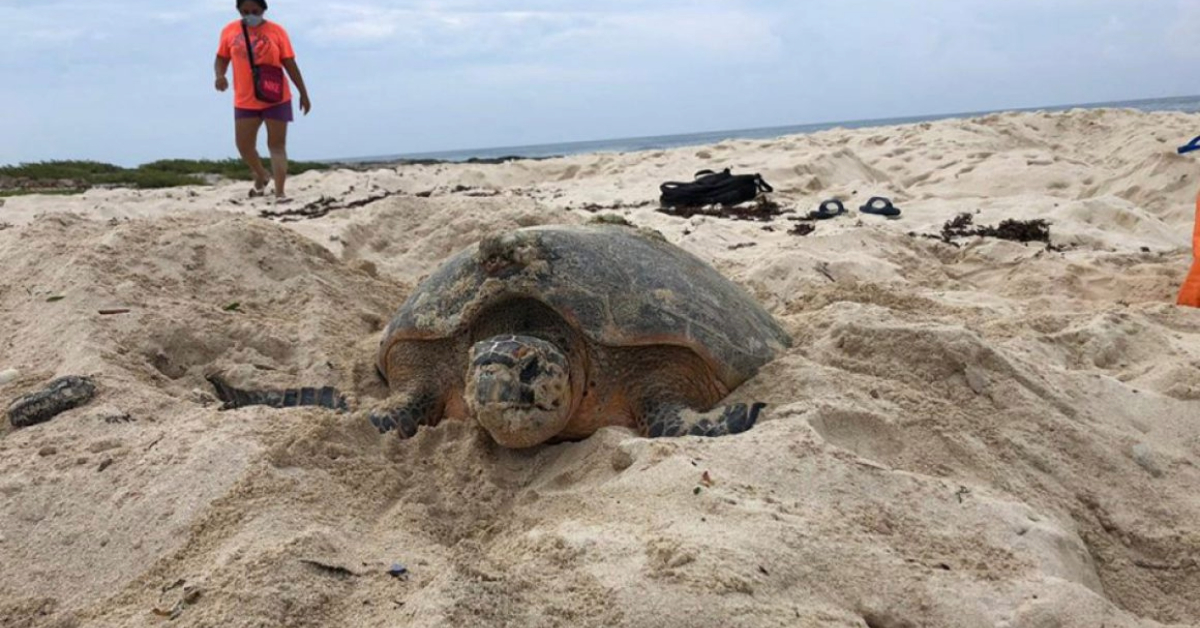
During the session, Director of Environment and Ecology Yamira Yanet Ruiz reported on nesting progress so far this season. To date, volunteers and biologists have identified 388 nests across three species:
- Hawksbill turtles: 14 nests, 2,030 eggs counted, with 269 hatchlings released
- Loggerhead turtles: 89 nests, 9,156 eggs counted, with 1,106 hatchlings released
- White sea turtles: 285 nests, 31,479 eggs counted, release numbers to follow
“These figures reflect the hard work our team invests in night patrols, nest rescues and daily beach monitoring,” Ruiz said. She also outlined plans to expand surveillance patrols along the entire coastline and to install new signage educating both residents and visitors on the importance of leaving nesting sites undisturbed.
Biologist Jireth Monserrat García, head of Campamento Tortuguero 2025, presented details of on‑the‑ground operations. His team conducts nightly beach sweeps to identify freshly laid nests, safely relocates those in high‑risk zones, and maintains constant communication with local volunteers. García recognized the dedication of community members who assist in data collection and hatchling releases, emphasizing that every contribution helps boost survival rates.
To amplify citizen engagement, the committee approved a schedule of beach‑cleaning events and school‑based workshops. Environmental education officers will visit local classrooms to teach children about sea turtle life cycles and the impact of plastic pollution. A new volunteer registration portal will go live next week, allowing individuals to sign up for training sessions in turtle monitoring and rescue.
Looking ahead, the committee plans to partner with regional tourism operators to promote “turtle‑friendly” shoreline tours. These guided walks will highlight nesting areas and encourage visitors to support conservation efforts through donations or volunteer hours. A special night‑tour pilot is set to launch in August, giving tourists a chance to observe nest marking and learn how hatchlings make their way to the sea—under strict guidelines to avoid disturbance.
Mayor Gómez closed the session by reaffirming the administration’s commitment: “Protecting sea turtles is more than a seasonal task. It is part of our island’s identity and a promise to future generations. Together, authorities and citizens will ensure Isla Mujeres remains a sanctuary for these ancient mariners.”
As the season progresses, the Sea Turtle Protection Committee will meet monthly to review nesting data, adjust patrol routes, and launch new outreach campaigns. The municipality encourages residents and visitors alike to respect protected areas, avoid artificial lighting near dunes and report any signs of nest interference to the Environment and Ecology office.
With these coordinated steps, Isla Mujeres sea turtle protection efforts are set to exceed last year’s record hatching figures, reinforcing the island’s role as a leader in marine conservation.