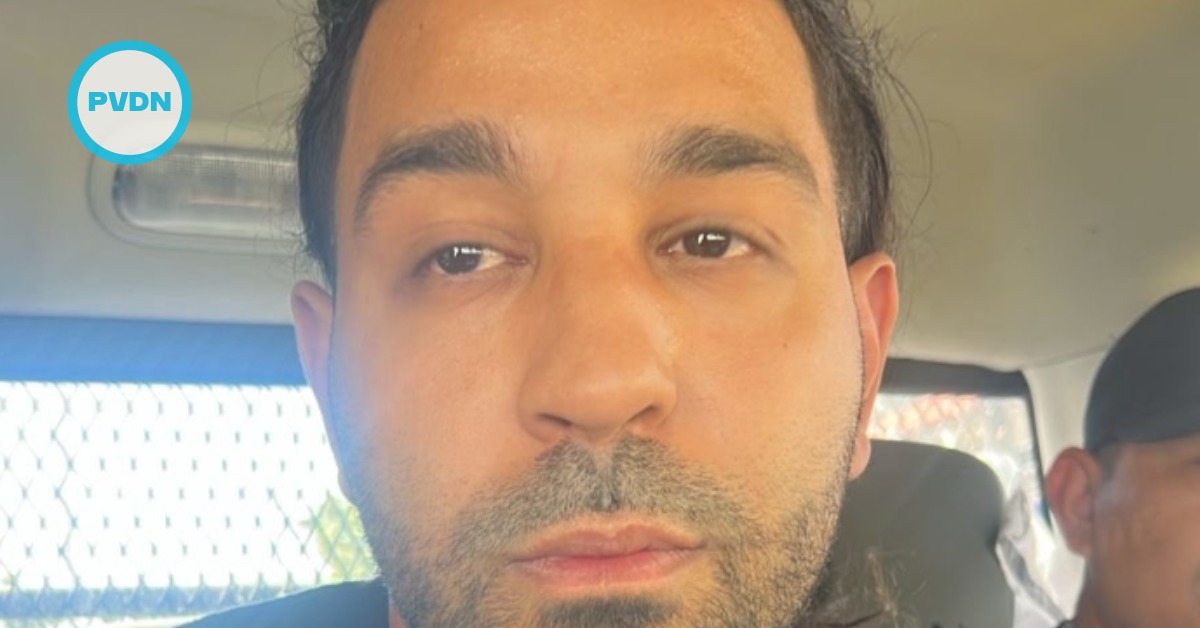
A name U.S. investigators have been chasing surfaced in an unexpected place: Playa del Carmen. Mexican federal authorities say Otmane Khalladi entered the country using a false identity and then blended into a city built for tourists and expats. His capture, announced by Security Secretary Omar García Harfuch, highlights how quickly international cases can end up on the Riviera Maya. Now the focus shifts to what comes next—how he’ll be transferred north, and whether officials will move through formal extradition or a faster immigration process.
Arrest in a city that draws millions
Mexican federal authorities say they detained Otmane Khalladi on Friday, January 16, 2026, after locating him in Playa del Carmen, Quintana Roo. The arrest was announced publicly by Security Secretary Omar García Harfuch, who said the operation followed intelligence work and coordination with U.S. counterparts.
Officials say Khalladi entered Mexico using a false identity to avoid detection, but investigators were ultimately able to confirm who he was and move in. The case is another reminder that in places where long-stay visitors and short-term tourism overlap, someone trying to disappear doesn’t need to hide far—just convincingly.
Why the U.S. wanted him
Khalladi is wanted in the United States for allegations of wire fraud and money laundering. In U.S. court filings tied to a broader transnational fraud investigation, prosecutors have described a scheme targeting older Americans through deceptive phone calls designed to trigger panic and prompt quick payments. The alleged losses tied to the wider operation run into the tens of millions of dollars.
For residents of Mexico who follow safety news closely, the details are notable less for violence and more for how modern financial crime travels: a cross-border case, digital tools, and a suspect moving through a major international corridor like the Riviera Maya.
What happens next
Authorities have not laid out a public timeline for Khalladi’s transfer to the United States. Mexican reporting on the case indicates he was taken into immigration custody to begin the process of being returned north, though whether that happens through formal extradition proceedings or an administrative deportation route has not been fully detailed.
For expats in Quintana Roo, the practical takeaway is simple: tourist centers can attract all kinds of visitors, including people trying to outrun legal trouble elsewhere. When cases like this break, the most reliable details tend to emerge from official statements and court records—often in stages.